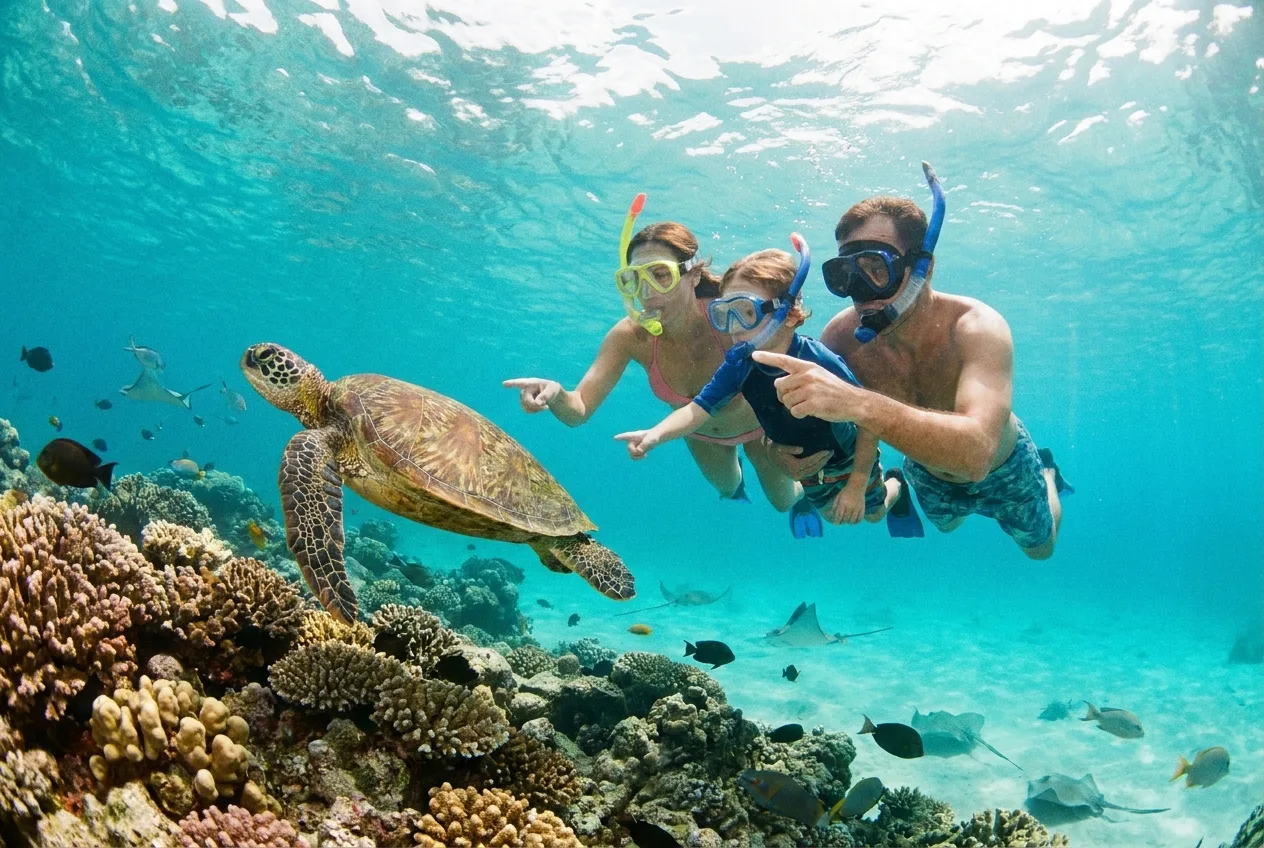
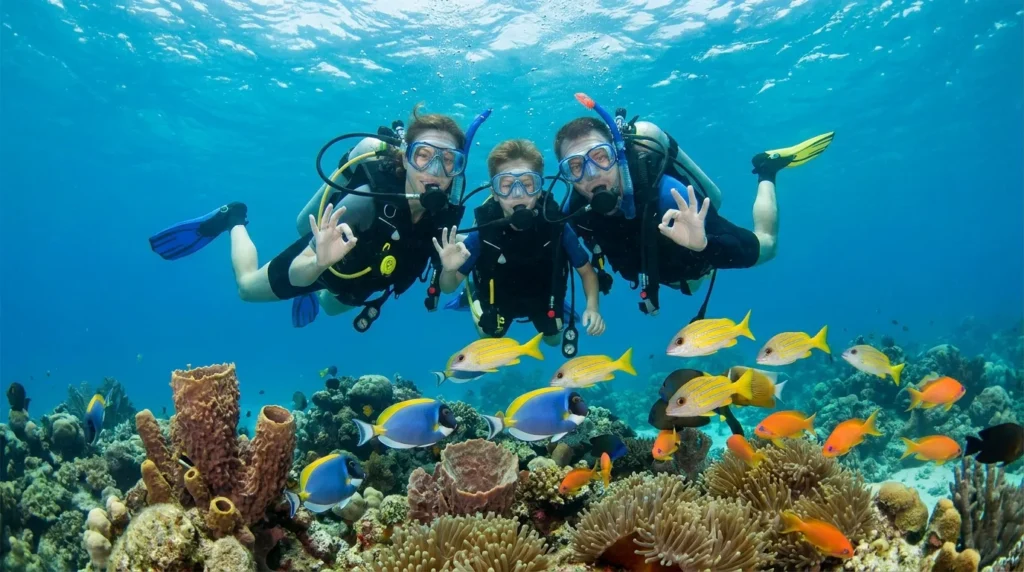
Planning summer scuba diving with your children starts with choosing a suitable program, an experienced instructor and equipment that fits. This guide helps parents work through those decisions and make learning about the sea part of the family trip. A child’s age matters, but so do comfort in the water, willingness to learn and the ability to follow instructions.
On this page
Summer Scuba Diving: Start with Curiosity
Diving lets children meet marine animals in their own habitat. Biology becomes something they can observe, while basic physics becomes something they experience in the water. It also brings responsibility and care for the environment into the same activity.
For parents, the appeal goes beyond time away from screens. Planning together gives children a part in the experience, and talking afterward gives them room to describe what interested them. Start with the marine life they want to learn about rather than treating the trip as a list of dives to complete.
Our marine life identification guide for new divers offers a place to begin that conversation. Learning about the animals beforehand can become part of the holiday itself.
Match the Program to Your Child
Introductory programs such as PADI Bubblemaker are available from age 8, in shallow water up to 2 meters deep. Entry-level training such as Junior Open Water is available from age 10; the junior diving described here allows dives to 12 meters with an adult.
These are different stages of learning. When discussing summer scuba diving with a dive center, be clear about whether you are considering an introductory experience or an entry-level course. Ask how the program matches your child’s age and readiness.
Look beyond the birthday. Your child should be comfortable in the water, keen to learn and mature enough to follow instructions. Those qualities matter alongside the program’s age requirement; reaching a minimum age is only part of deciding what fits.
Choose Instructors Who Teach Children
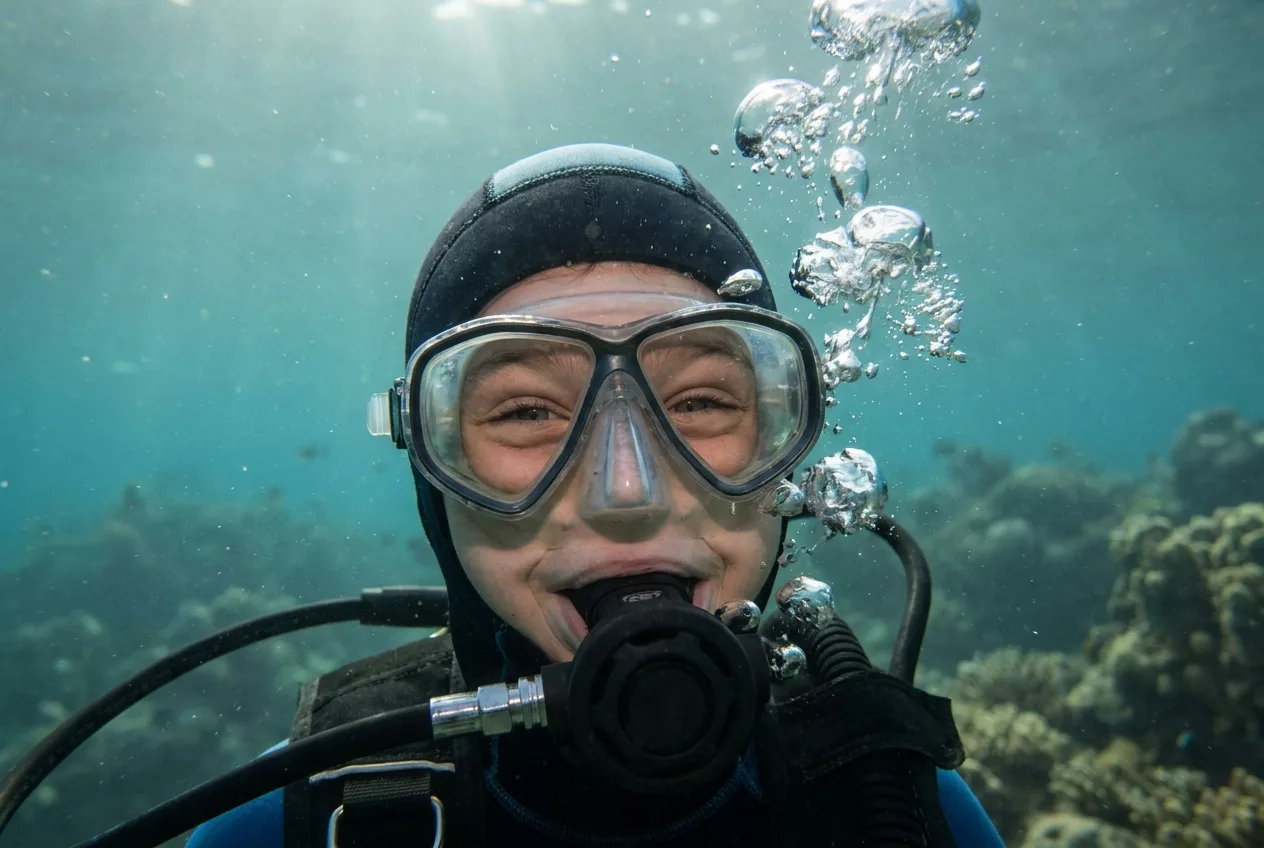
Choose a reputable dive center with instructors experienced in teaching young divers. Look for well-maintained equipment and small groups, with an instructor-to-student ratio that allows personal attention. Ask questions and request recommendations before deciding.
- Ask about the instructor’s experience with children.
- Discuss group size and how each student receives attention.
- Confirm that the center has suitable equipment for your child.
- Explain your child’s comfort in the water and interest in learning.
These questions turn a general promise of a family activity into a clearer picture of the instruction. For further safety information, consult DAN, Divers Alert Network.
Check Fit Before Thinking About Ownership
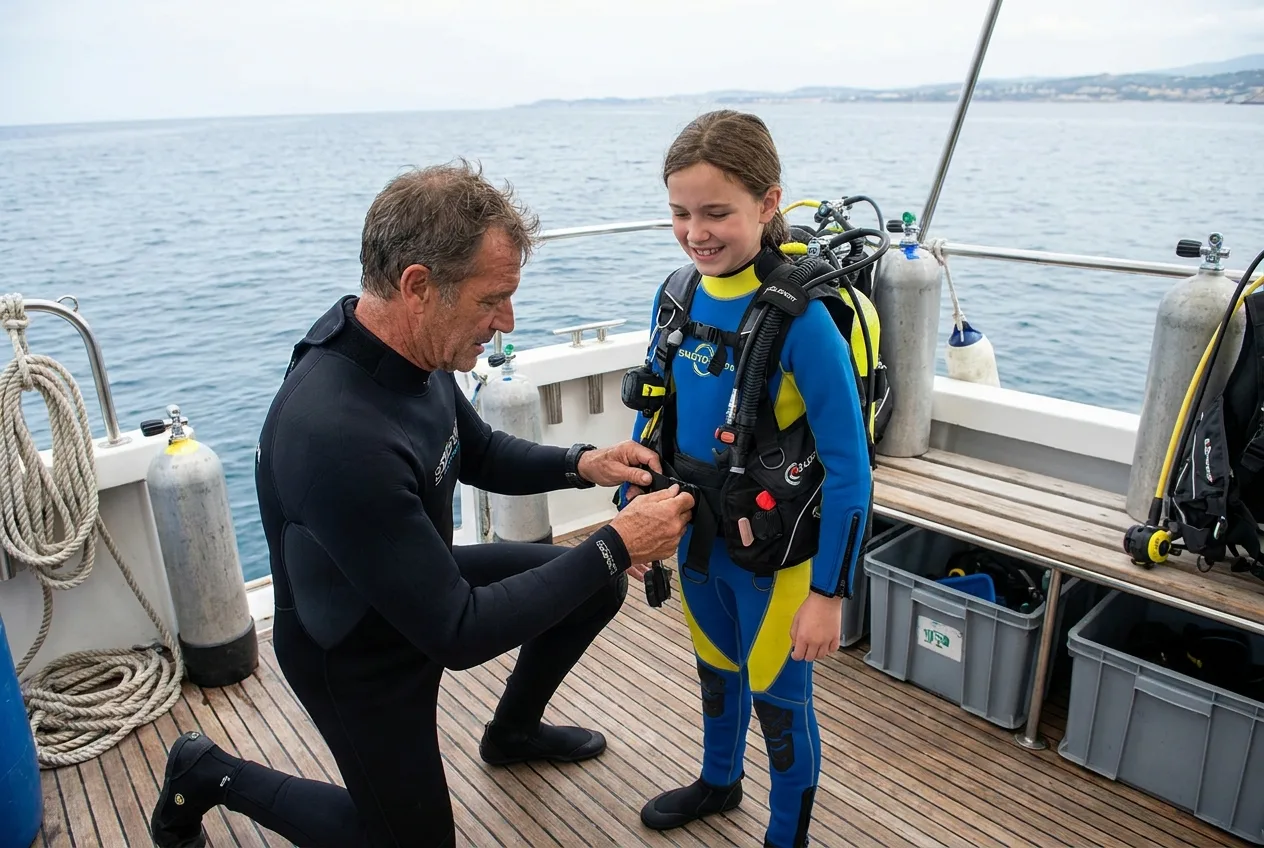
Children need equipment sized for their bodies. Regulators, buoyancy compensators, tanks and wetsuits come in versions designed for younger divers. A good dive center provides suitable gear so the child can learn with greater comfort and safety.
Discuss fit as part of choosing the program, rather than leaving it as an afterthought. If summer scuba diving becomes a regular family activity, consider a mask and snorkel of your child’s own. The first priority is appropriate equipment for the experience you are planning.
Make Time to Share What You Saw
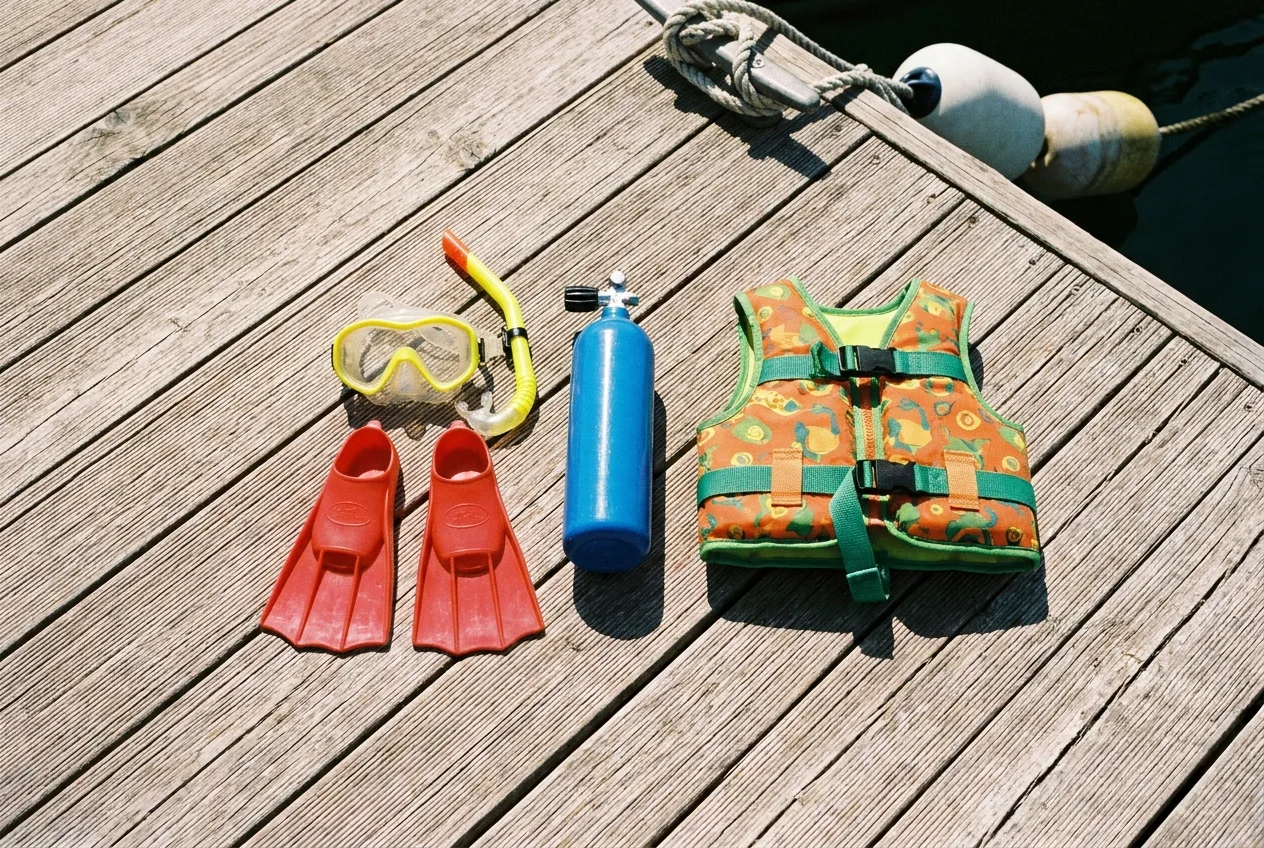
Plan the trip together and leave time after each day’s diving to talk about favorite moments. A family dive can give everyone a different memory: an animal, a skill learned or the feeling of exploring together. Listening to those details keeps the experience personal.
A marine-life photograph, such as this flamingo tongue snail canvas print, can also prompt conversation about underwater animals between trips.
For more family reading, visit the 2DIVE diving blog. For questions about the site, contact 2DIVE; discuss training and your child’s readiness with the dive center.