
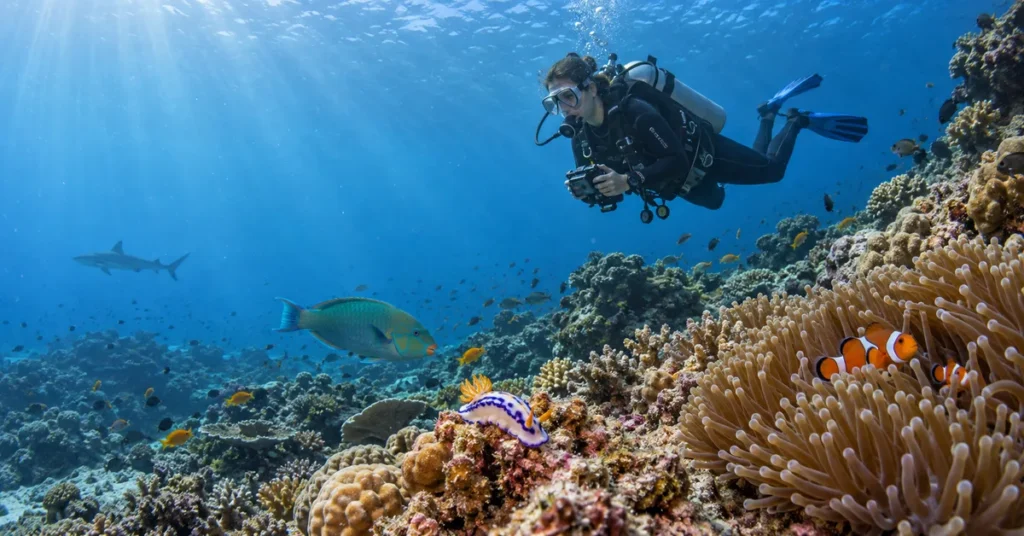
Marine life identification gets easier when you know which shapes, colors and behaviors to look for. This guide introduces nine animal groups, from clownfish among anemones to camouflaged frogfish, with details to notice while giving each animal space.
On this page
Marine life identification starts with observation
A quick glimpse becomes more useful when you can describe it. Look at the animal’s shape and color, where it is living and what it is doing. Those details connect a name with behavior and a place on the reef. 1
The SCUBA News guide behind this article introduces animals found across different regions, including manta rays, nudibranchs, lionfish, and reef sharks. 1
For new divers, the best starting point is slow observation: notice shape, color, habitat, and behavior, without touching the animal or chasing it. 1
1. Clownfish among anemone tentacles
Clownfish are relatively easy to recognize thanks to their bright orange bodies and white stripes, and they are often found among sea anemone tentacles. 1
The source describes a symbiotic relationship in which the anemone protects the fish with stinging cells, while the clownfish keeps the anemone clean and deters predators. 1
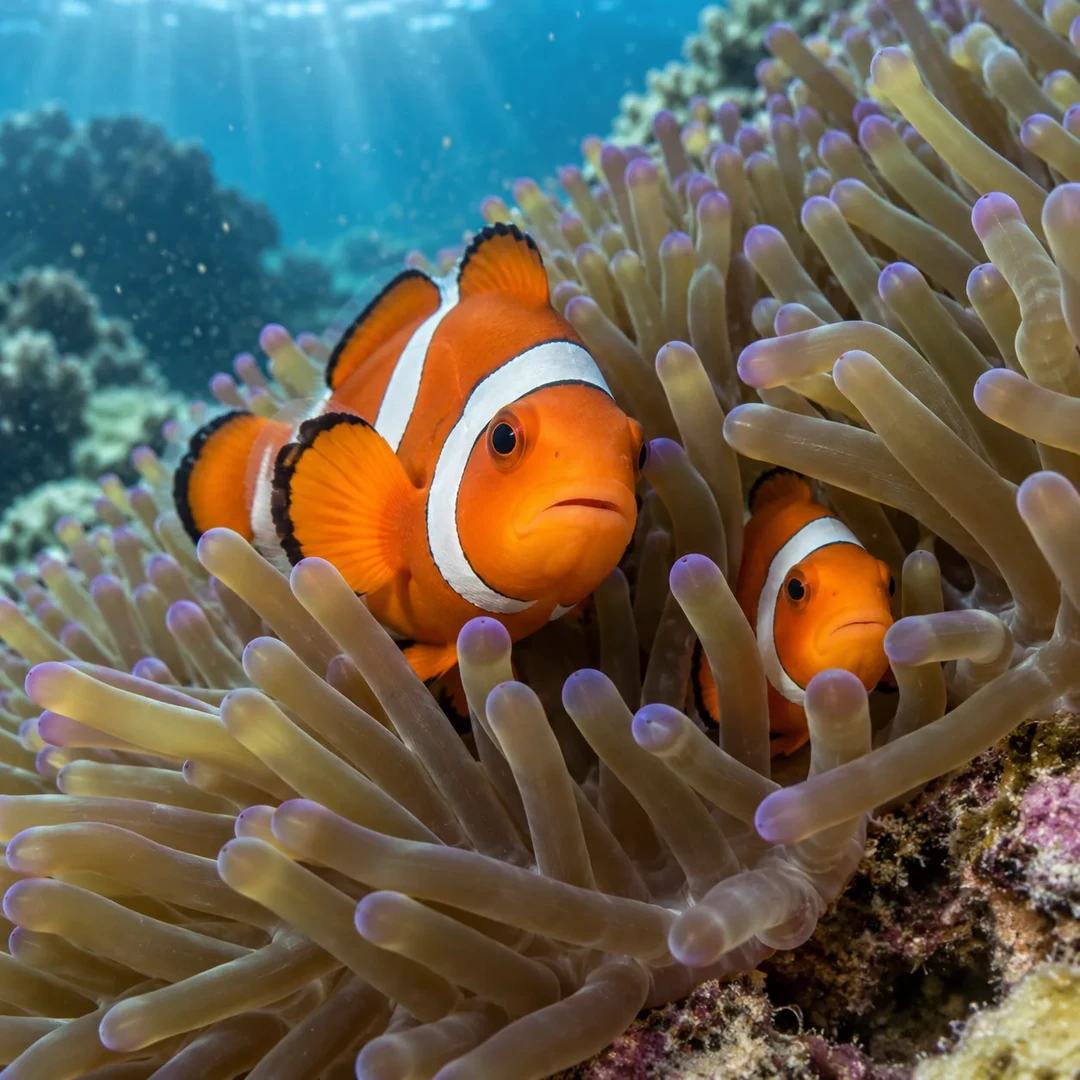
The guide also describes sex change within a clownfish group, where the dominant individual can become female. For an underwater sighting, the immediate clues are simpler: the fish’s appearance and its close association with an anemone. 1
2. Sea turtles: movement, food and navigation
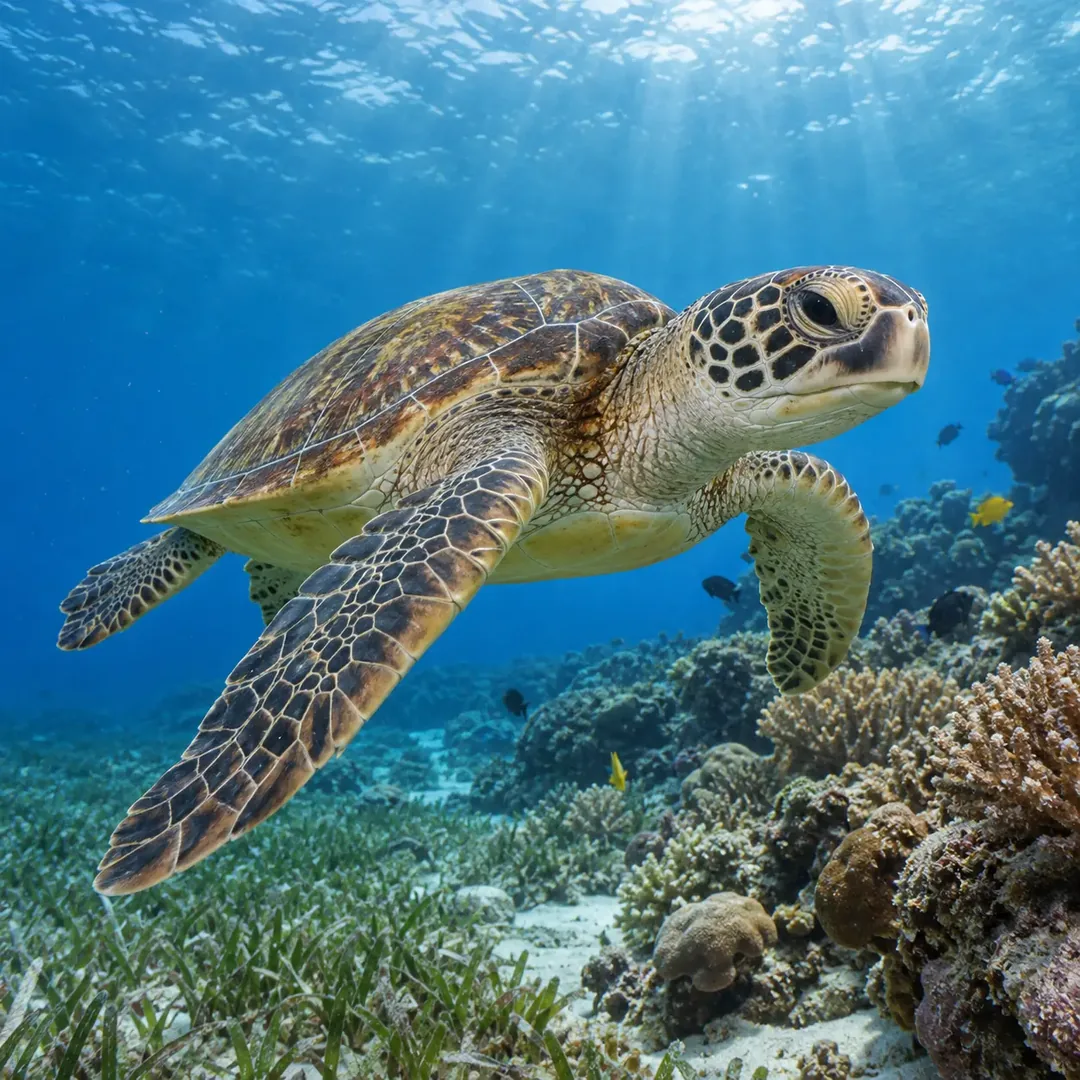
Sea turtles, including green, hawksbill, loggerhead, and leatherback turtles, are described as a joy to watch underwater. 1
They are often seen gliding through the water or resting on reefs, and their food can include seagrass, sponges, or jellyfish, depending on the turtle species. 1
The guide describes sea turtles navigating thousands of miles back to their hatching beaches to lay eggs. Underwater, you are more likely to notice their movement or resting place. Food is another clue, but the guide makes clear that diet varies with the turtle species. 1
3. Manta rays in open water and at cleaning stations
Manta rays are described as a bucket-list animal to encounter, with large wingspans and elegant movements as they feed. 1
They are filter feeders, and they can often be found at cleaning stations or swimming in open water. 1
The guide discusses manta intelligence as well as feeding behavior. During a dive, focus on what you can observe: the broad body moving through open water, the feeding activity or the visit to a cleaning station. Those details are more useful for identification than trying to interpret intelligence from a brief encounter. 1
4. Nudibranchs on rocky surfaces
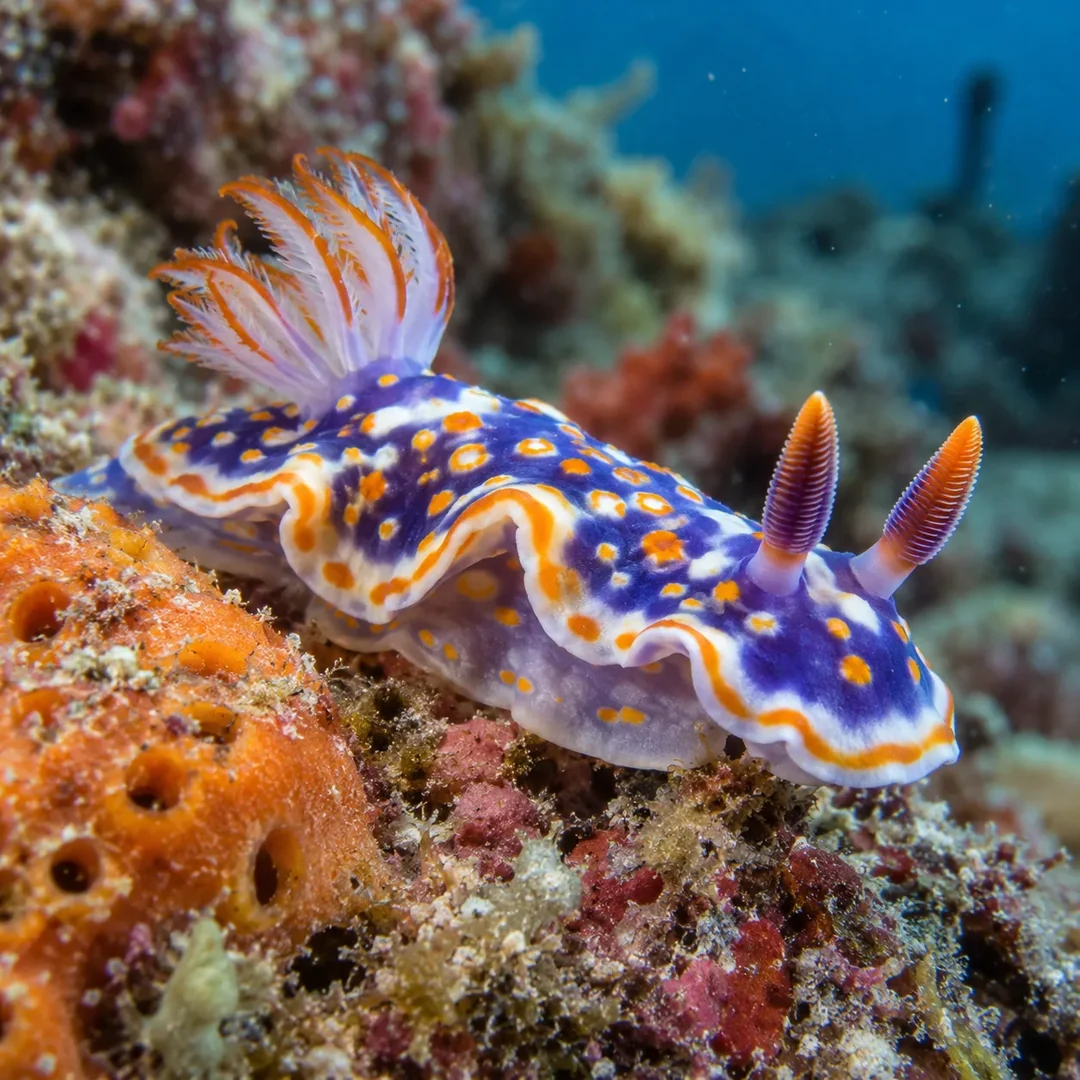
Nudibranchs are small, colorful sea slugs, and the source describes them as having brilliant colors and intricate patterns. 1
They are commonly found crawling along coral reefs and rocky surfaces, so identifying them takes patience and a close look. 1
Beyond their beauty, nudibranchs absorb toxins from their prey, such as sponges, and use them for their own defense. 1
5. Reef sharks in tropical waters
Reef sharks, including blacktip and whitetip reef sharks, are described as species commonly encountered in tropical waters. 1
The guide describes these reef sharks as generally shy. Observe calmly and give them space, keeping the same respectful distance you would give other marine animals. Identifying an animal is a reason to pay attention to its behavior, not to crowd it. 1
The detail that gives the encounter perspective is that sharks have been around for over 400 million years, long before the dinosaurs. 1
6. Parrotfish and their beak-like teeth
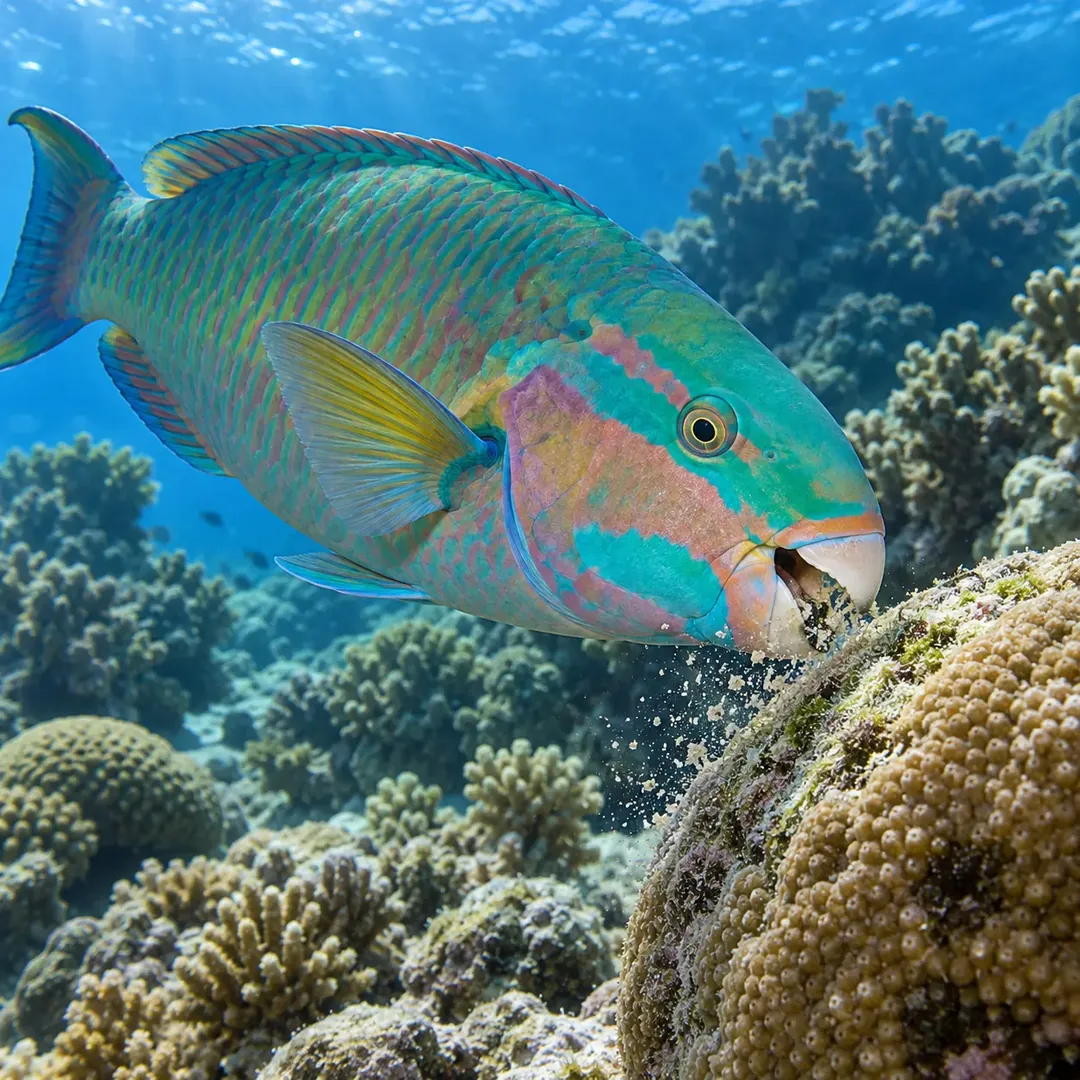
Parrotfish are colorful reef dwellers with an important role in maintaining coral health. 1
They use their beak-like teeth to scrape algae off corals, helping corals to grow and thrive. 1
The source notes that a single parrotfish can produce up to 200 pounds of sand per year as a byproduct of digestion. 1
7. Lionfish: fins, spines and hunting
The source describes the lionfish as a striking fish with sail-like fins and venomous spines. 1
It notes that lionfish are native to the Indo-Pacific, including the Red Sea, but have become invasive in the Atlantic, where they have no natural predators. 1
Lionfish can eat prey up to half their body size and are incredibly efficient hunters, so identifying them matters beyond their beauty in underwater photography. 1
8. Pygmy seahorses among sea fans
Pygmy seahorses are described as tiny, camouflaged masters of disguise, clinging to sea fans or corals and blending into their surroundings. 1
The source notes that they are usually less than 2 cm long, and are often discovered only when examining corals up close. 1
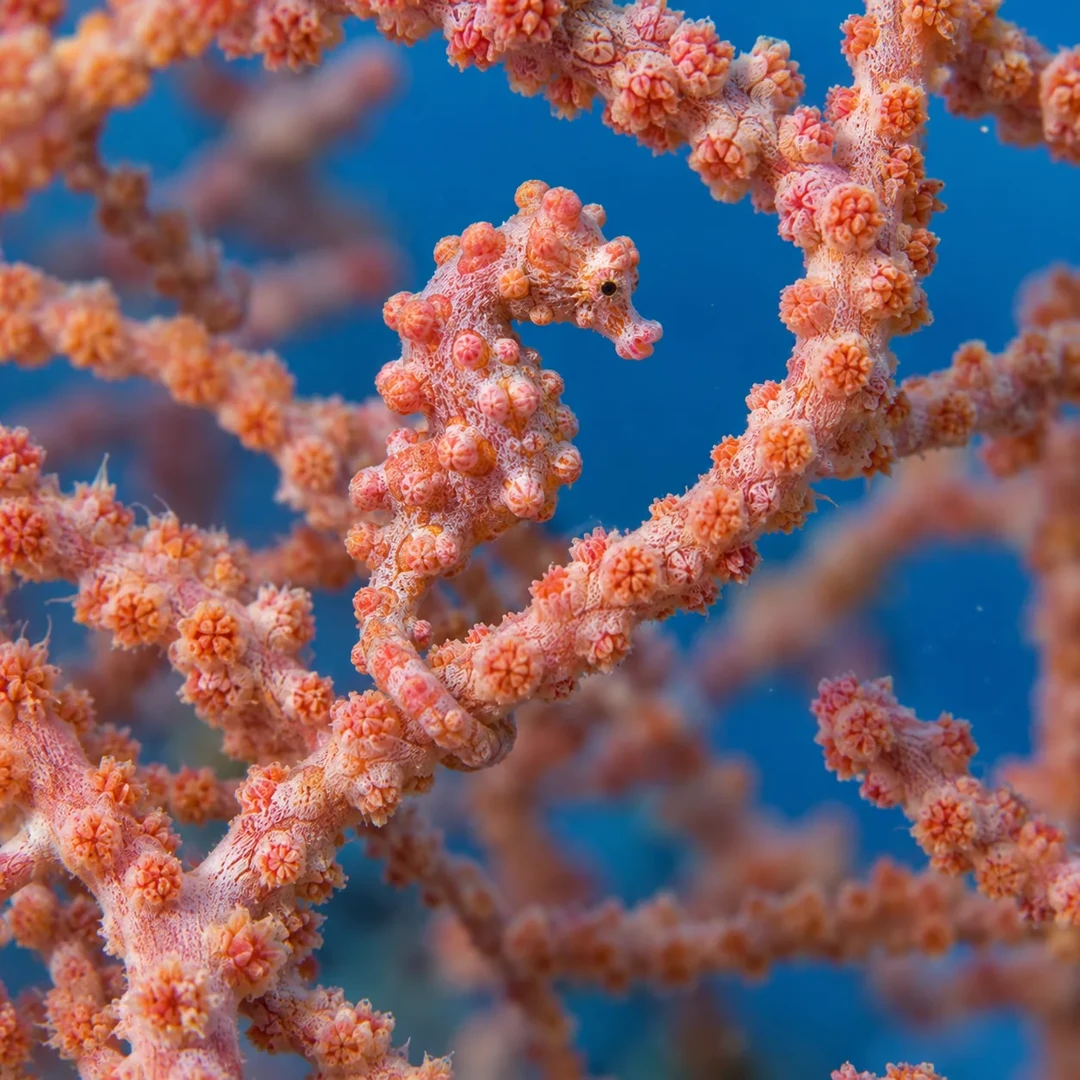
When diving where they are found, the source recommends asking a local dive guide for help spotting them, because local knowledge is invaluable. 1
9. Frogfish hiding in plain sight
The frogfish, also known as Antennarius, is described as an expert ambush predator that uses camouflage to blend into its environment. 1
It can look like a sponge, rock, or coral, and it moves along the sea floor by “walking” with its pectoral fins. 1
The source notes that frogfish can expand their mouths 12 times their original size to swallow prey whole. 1
Observe without disturbing
Marine life identification starts with calm observation, because the source presents animals through their habitats, behavior, and ecological roles, not through touching or disturbing them. 1
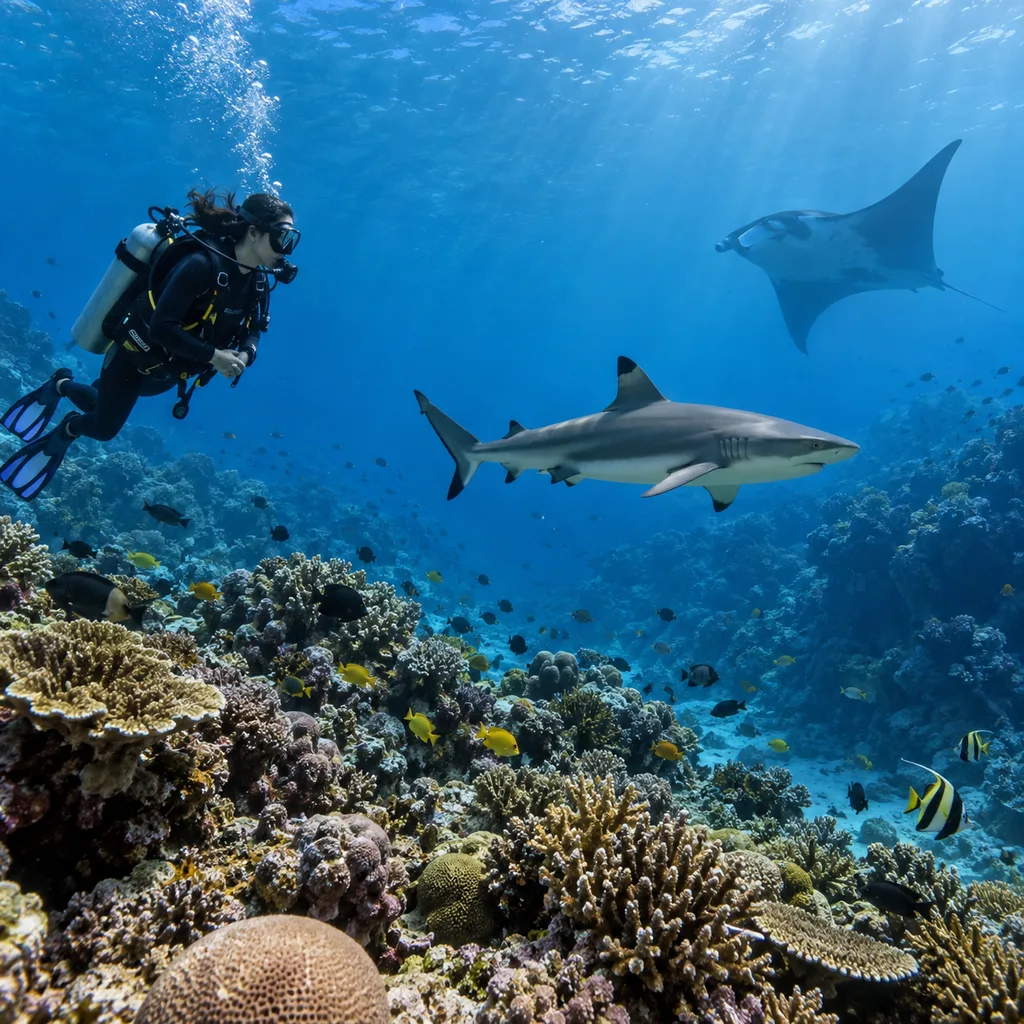
Animals such as reef sharks, manta rays, sea turtles, nudibranchs, and pygmy seahorses are described as being observed in their natural environment, so the right way to learn from them is to give them space. 1
You do not need to put a name to every animal during the dive. Slow observation gives you a better chance of noticing the details that matter, especially with tiny or camouflaged species. Give the animal room, and ask a local guide when you need help spotting it. 1
A photograph gives you time to notice the shapes and colors that can pass in a moment on a dive. My ocean wall art for your living room brings that closer look into your home.
Frequently asked questions
Why is marine life identification important for new divers? 1
Marine life identification adds an extra dimension to scuba diving, improves familiarity with iconic species, and deepens a diver’s connection to the ocean. 1
How do you spot small animals like pygmy seahorses? 1
The source notes that pygmy seahorses are usually less than 2 cm long, cling to sea fans or corals, and that asking a local dive guide for help can be useful when trying to spot them. 1
Look beyond the animal alone. Our account of coral reef partnerships continues the theme of animals sharing a habitat, a useful next step after recognizing a fish among anemone tentacles.