
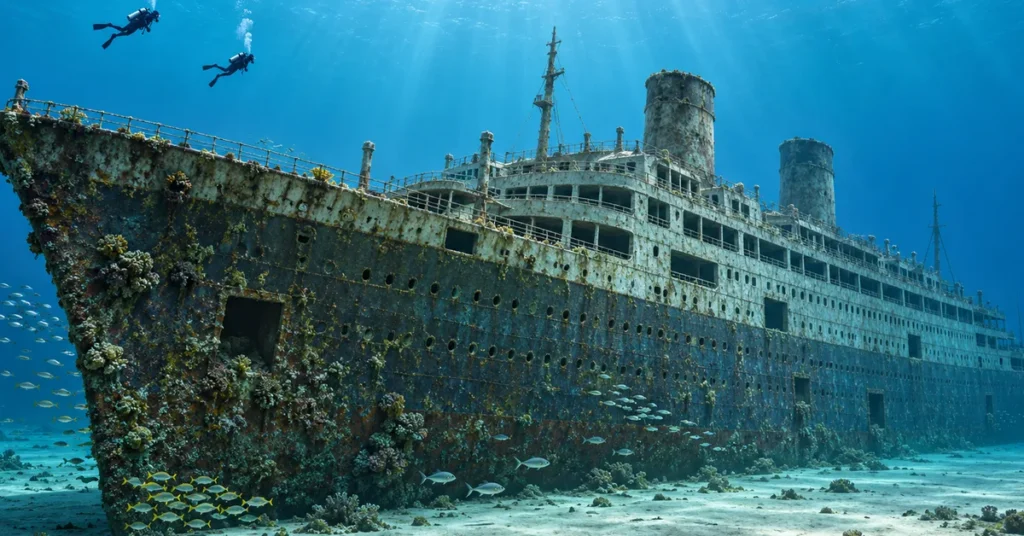
The SS United States reef plans set out expected diving depths, a controlled sinking and a November 2026 target that still depends on weather. The historic ocean liner is expected to become the world’s largest artificial reef on the floor of the Gulf of Mexico. The reported window is the second week of November, with a site intended for both recreational and technical divers.123
On this page
SS United States: from ocean liner to planned reef
Built in 1951, the SS United States was designed as a luxury passenger liner that could also be converted for military transport if required.1 On her maiden voyage in July 1952, she crossed the Atlantic in three days, ten hours and forty minutes, earning the Blue Riband.1 Her speed and engineering made her one of the defining ships of the transatlantic liner era.3
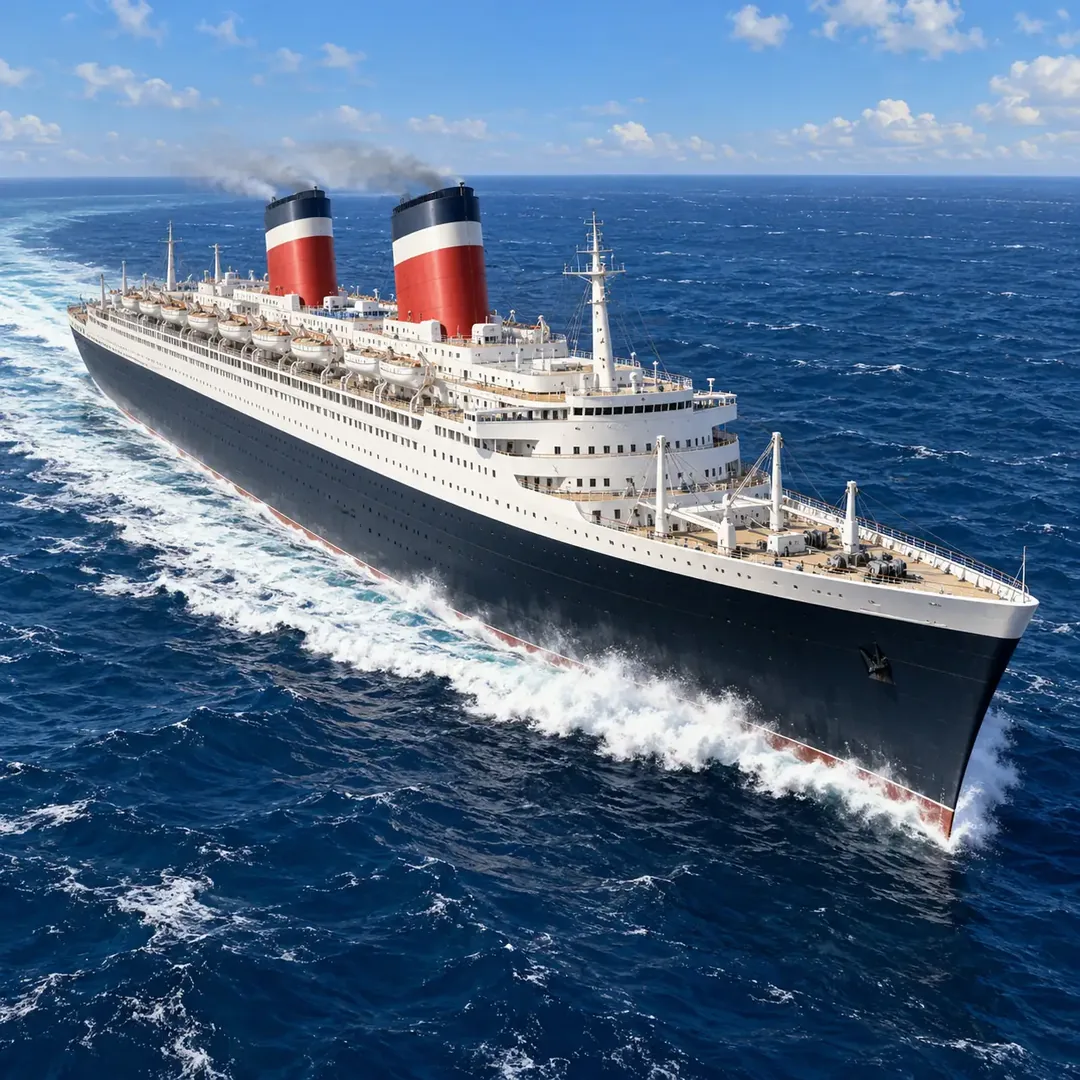
The rise of commercial air travel helped bring her seagoing career to an end in 1969.1 After several attempts to find a new purpose for the ship, she remained moored in Philadelphia for many years before leaving in February 2025 and reaching Mobile, Alabama, the following month.1 There, work began to transform the historic hull into a planned underwater site.4
The reported November window and Florida location
The current plan calls for the ship to be sunk during the second week of November 2026.5 A final day has not yet been set because the operation depends on weather and the schedules of the safety and security partners involved.4 Further details are expected once the final date is confirmed.2
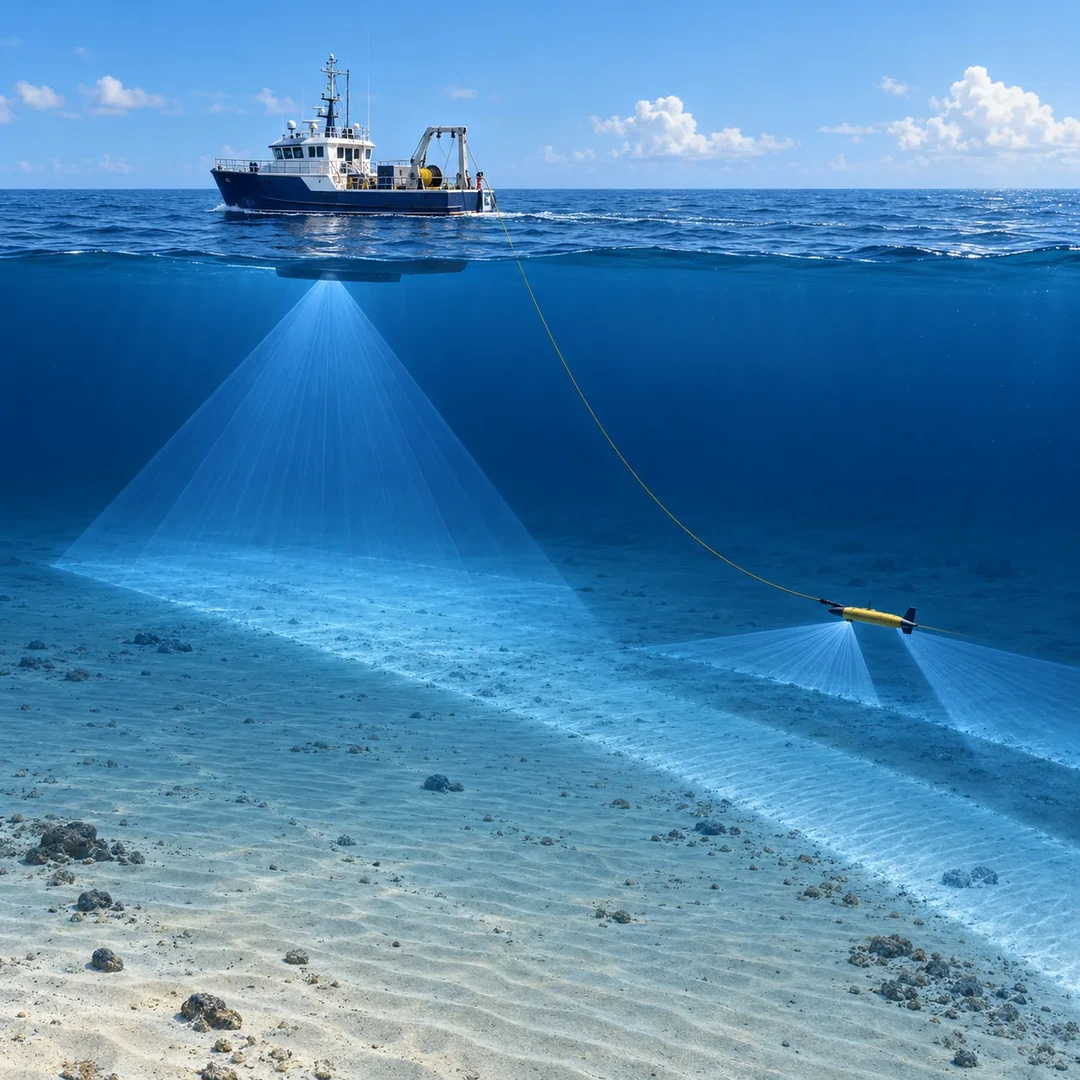
The proposed site lies in the Gulf of Mexico, approximately 22 nautical miles, or about 41 kilometers, southwest of Destin-Fort Walton Beach, Florida.1 Multibeam and side-scan sonar were used to survey the location, identify obstacles and avoid damaging existing natural and historical features on the seabed.1
Controlled flooding and preparation of the hull
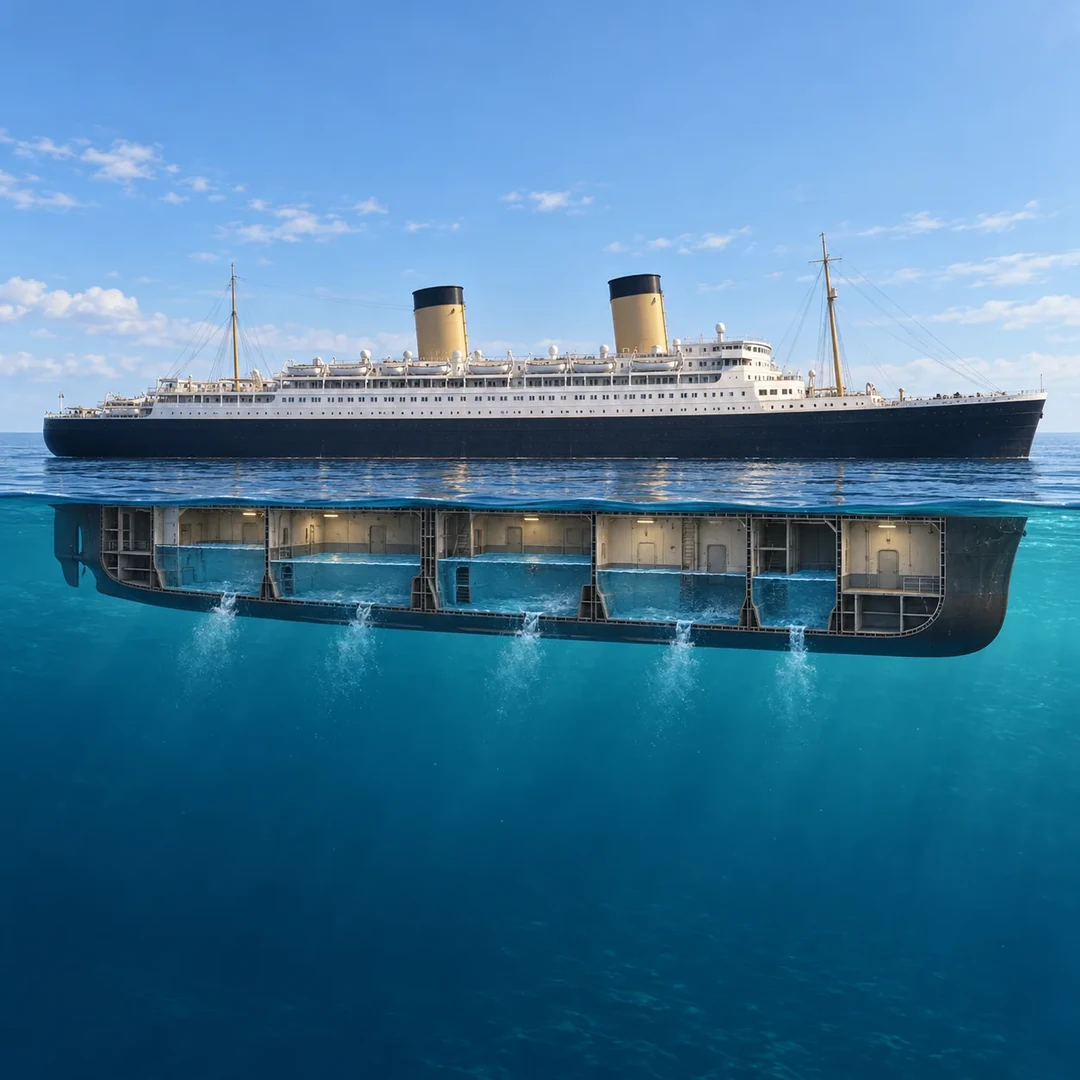
The SS United States is expected to be sunk by controlled flooding rather than explosives.1 Openings prepared in the hull are intended to help the ship settle upright and later provide access for marine life and divers.1 Compartments considered unsafe for access have been sealed during the preparations.1
Hazardous-material removal has been completed, and all fuel and lubricant tanks were emptied, cleaned and certified safe by a marine chemist.1 Remediation and inspections covered all 12 decks, while exterior paint and deck coverings containing high concentrations of PCBs were removed.1 Baird Maritime reported that the work followed the best-management practices of the US Environmental Protection Agency and Maritime Administration for vessels intended as artificial reefs.4
Expected depths for different kinds of diving
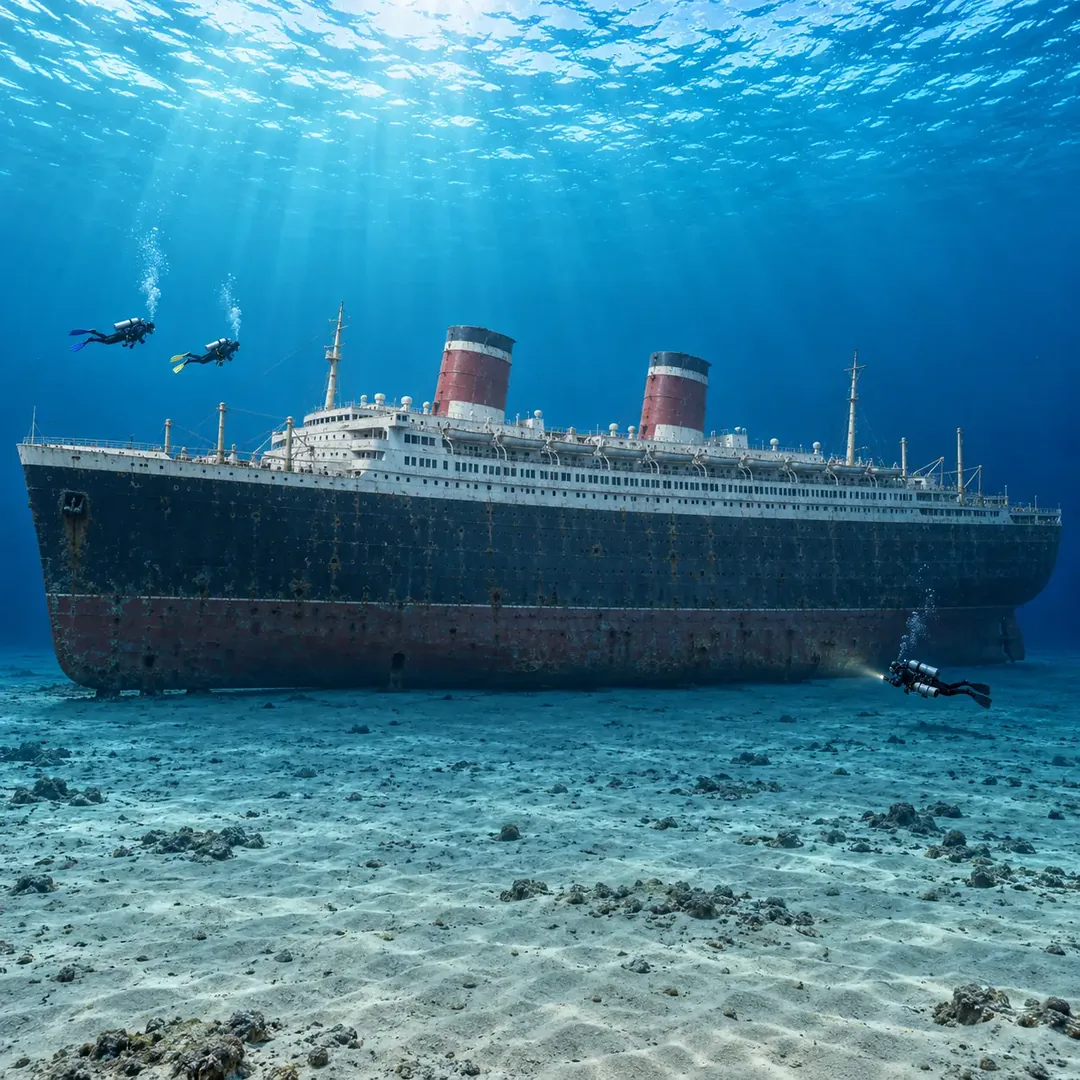
The ship is expected to rest in approximately 55 meters of water, with her upper decks reaching depths of around 17–18 meters.1 The difference between those depths explains the plan to accommodate both groups; our comparison of recreational and technical diving gives context for that distinction.1 Part of the aluminum superstructure has been removed to improve diver access at the upper-deck depth.4
The planned maximum depth of the hull remains within technical-diving territory, while the upper sections will be considerably shallower.1 The sources describe access for different groups of divers, but they do not yet provide dive routes, access rules, sea conditions at the site or a public opening date.2 Those operational details are expected to become clearer only after the final sinking schedule is set.4
Why SS United States is expected to become the largest artificial reef
At approximately 302 meters long, the SS United States is expected to surpass the aircraft carrier USS Oriskany after she is sunk.1 The Oriskany was sunk near Pensacola in 2006 and currently holds the title of the largest vessel deliberately sunk to create an artificial reef.3 Placing the new wreck in the same wider region of Florida is expected to add another exceptionally large dive attraction to the Gulf.3
Okaloosa County presents the project as both new habitat for marine life and an attraction for the region’s diving and fishing industries.1 Researchers from several US marine-science institutions are expected to monitor the ship’s environmental impact after deployment.1 That monitoring will help document how the site develops once the operation is complete and the ship begins her new life beneath the surface.1
What will remain above water
Not every part of the ship will descend to the seabed: her distinctive funnels, radar mast, stem anchor and other components have been preserved for a planned land-based museum.2 The museum is expected to stand near the future departure points for dive tours and tell the cultural, design and engineering story of the ship.2 Visitors will therefore be able to encounter the legacy of the SS United States above water while the hull itself becomes a dive site and artificial reef.2
Plans for the public to watch the sinking remotely are also still being developed.1 The SS United States Conservancy has said that information about a public livestream will be released once the final deployment date is confirmed.1 At the time of the report, the second week of November remains the target window, with the weather still affecting the deployment date.5