
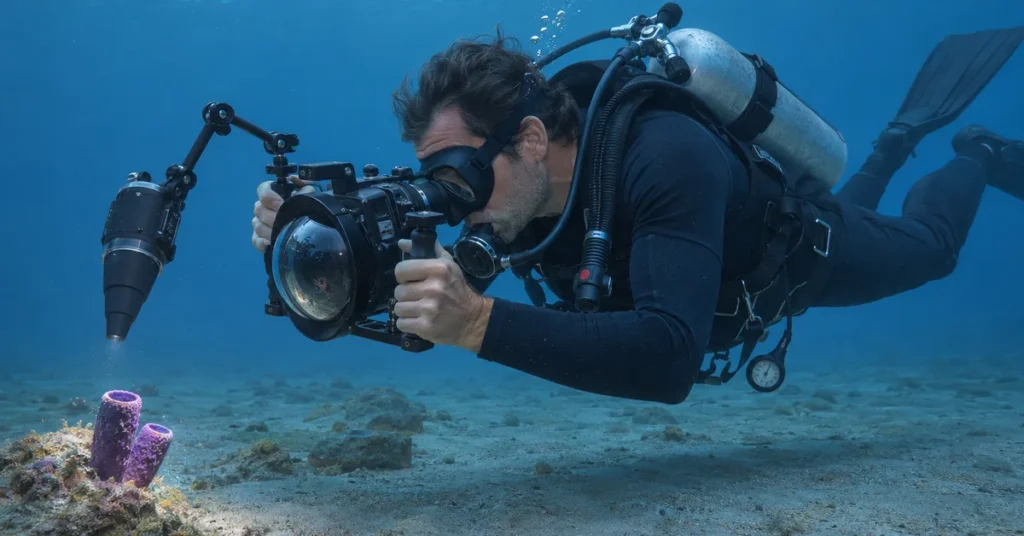
A small pool of light within a vast blue scene can change how the eye reads an underwater photograph. Instead of illuminating an entire reef evenly, wide-angle snoot photography highlights one detail while keeping the surrounding environment visible. It combines two visual languages: the narrow focus commonly associated with macro work and the broader context that places an animal, coral, or diver within the underwater landscape.
The sources gathered for this article describe photographers’ experiments and recommendations, but their technical claims were not independently verified during the research. The following discussion should therefore be treated as a framework for careful planning and controlled experimentation, not as a universal recipe for every camera, strobe, snoot, or diving condition.
What Changes When Snoot Photography Moves Beyond Macro
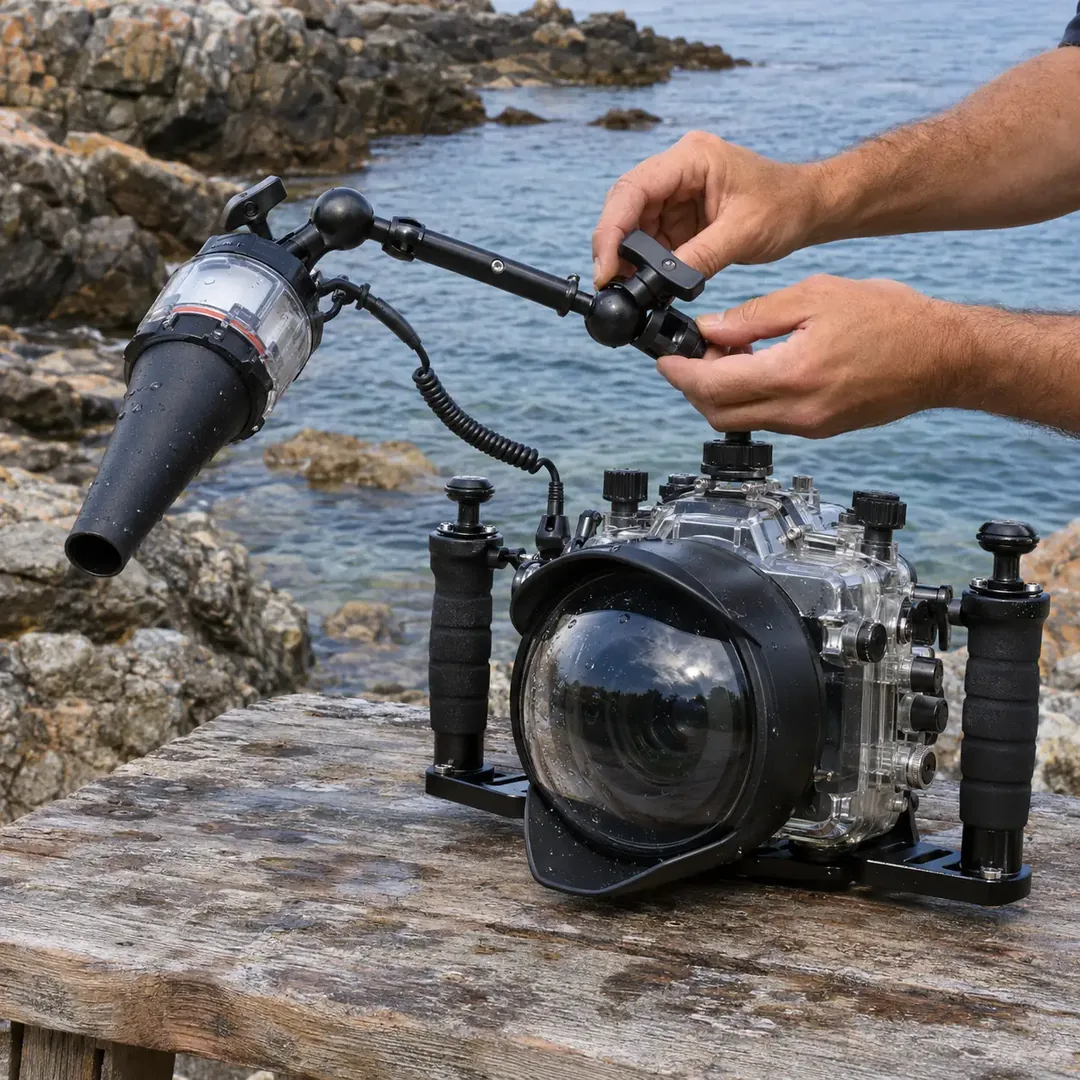
In traditional macro photography, a snoot restricts the illuminated area around a small subject. Dive Photo Guide describes it as a device that narrows the spread of light, allowing the photographer to decide what will be illuminated and what will remain outside the beam.1 The intended result is often strong separation between the subject and its background.
With a wide-angle composition, the possible goal is different: rather than erasing the surroundings, the light directs attention within an environment that still contributes to the story. Underwater Photography Guide describes an approach in which the snooted strobe illuminates a small area while ambient light continues to reveal the water column, reef, or a figure in the background.2 This reflects one photographic experiment, not a rule proven to suit every scene.
Think of the Subject and Environment as Two Parts
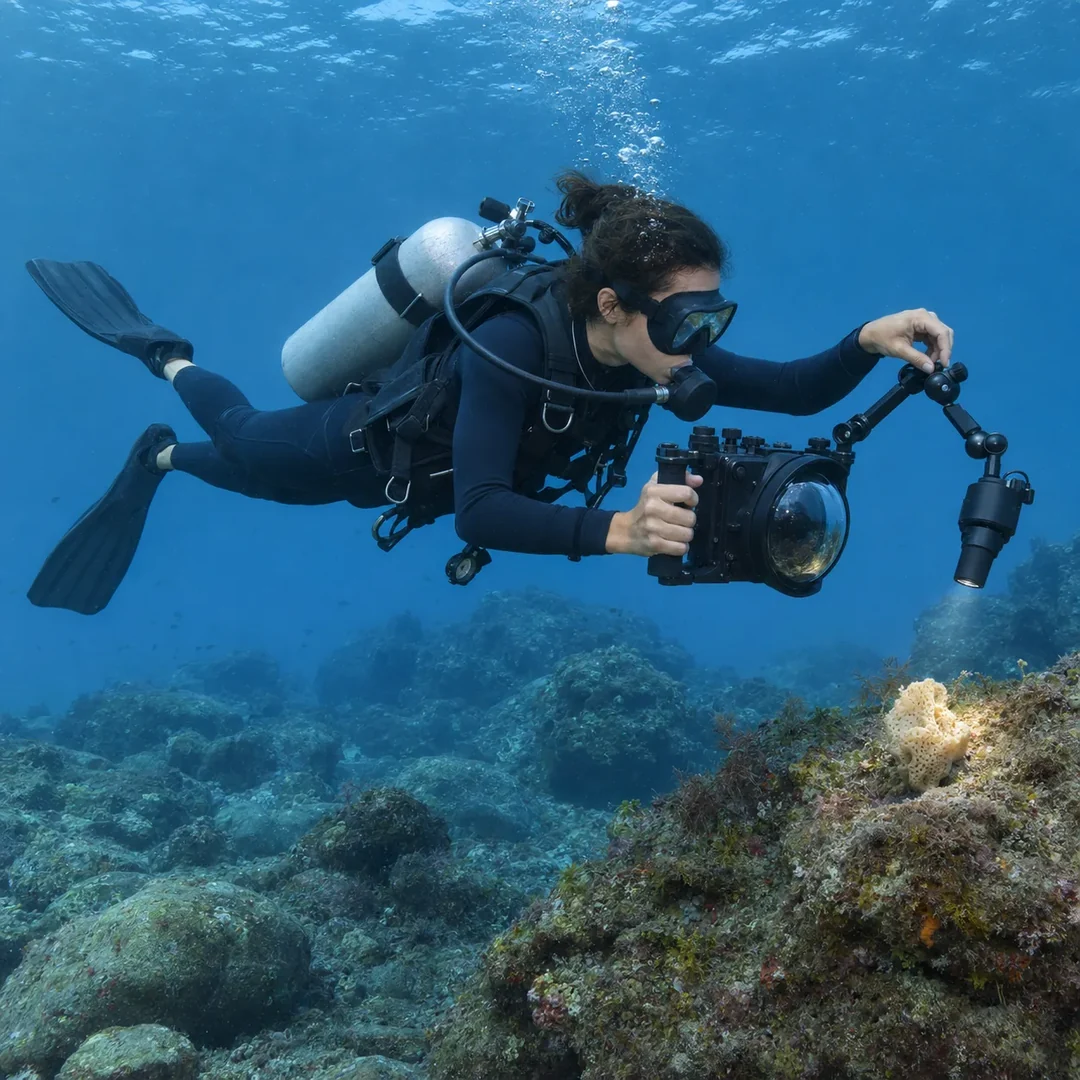
A useful way to plan the frame is to ask two separate questions: what must remain readable in the environment, and which detail should receive emphasis? In the photographed guide from Sodwana Bay, the photographer treated ambient light and the snoot-restricted strobe light as two separate components of the exposure.2 This distinction helps explain why a small change in lighting direction may shift the image’s focal point without changing the entire composition.
There is no universal exposure setting here. Water color, background brightness, subject distance, sunlight direction, and the characteristics of the camera system may all affect the result. Instead of copying numbers from a photograph made with different equipment and conditions, first decide how much of the environment should remain visible and how prominent the illuminated area should appear.
Choosing a Scene for the Experiment
A snoot will not automatically make every wide frame interesting. Look for a scene with a clear visual focus even before firing the strobe: an animal that does not disappear completely into the reef structure, a distinctly shaped coral, or a foreground detail that leads the eye deeper into the frame. The wide-angle guide identifies a strong foreground subject, a relatively clean background, and environmental context among the elements sought during the experiment.2
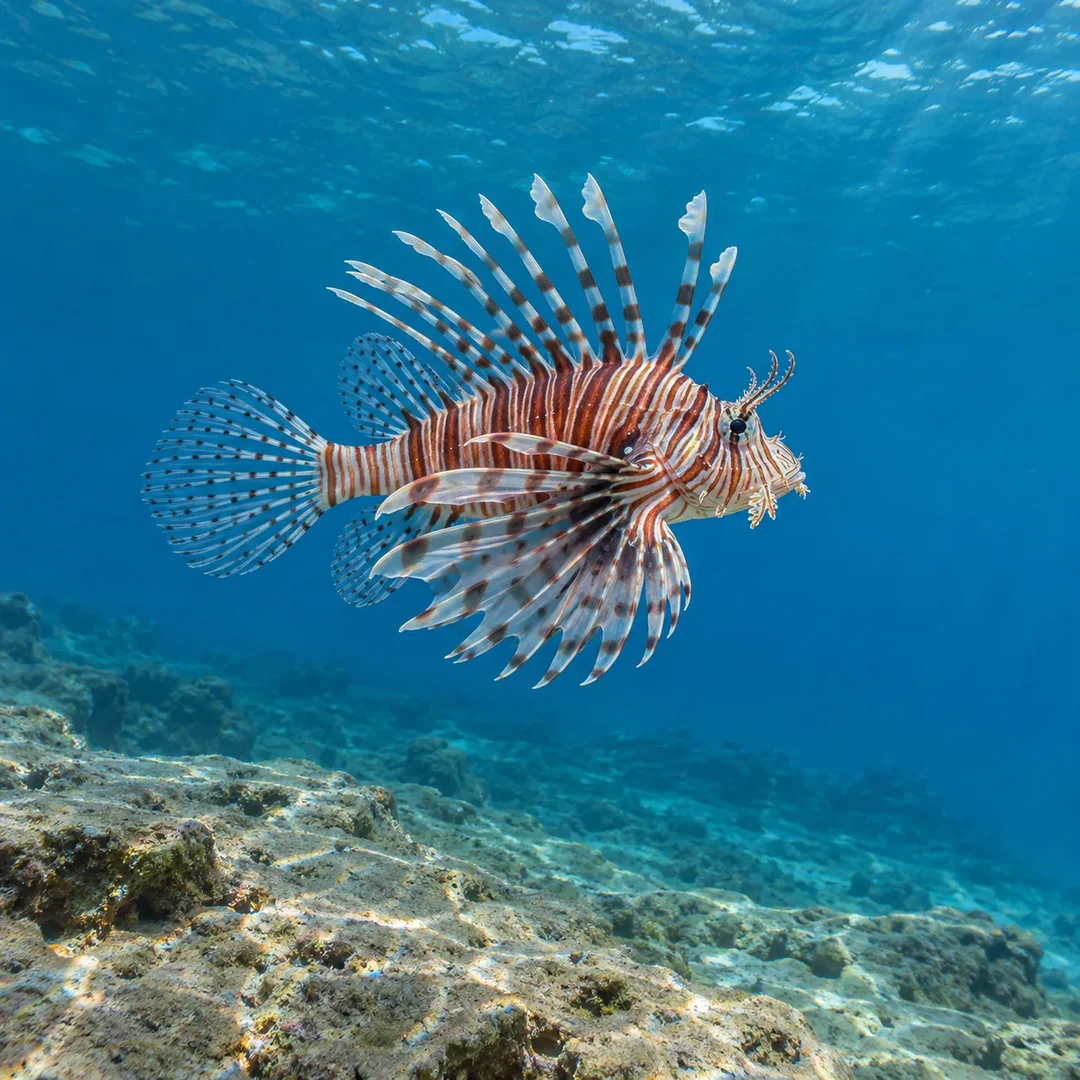
This also distinguishes the technique from familiar macro thinking. A macro image can be built almost entirely around a small creature and the beam falling on it. In a wide-angle photograph, the illuminated subject belongs to a larger arrangement, so consider whether the background adds depth, direction, or a sense of place—not only whether the light struck its target.
Beam Direction Is the Heart of the Challenge
A narrow beam leaves little room for error. Dive Photo Guide notes that aiming a snoot can initially be frustrating and recommends practicing on a fixed subject before attempting to photograph a moving animal.1 The wide-angle guide describes an additional difficulty: at a greater subject distance, a small change in strobe angle may cause the beam to miss, while the photographer must also keep the snoot itself out of the frame.2
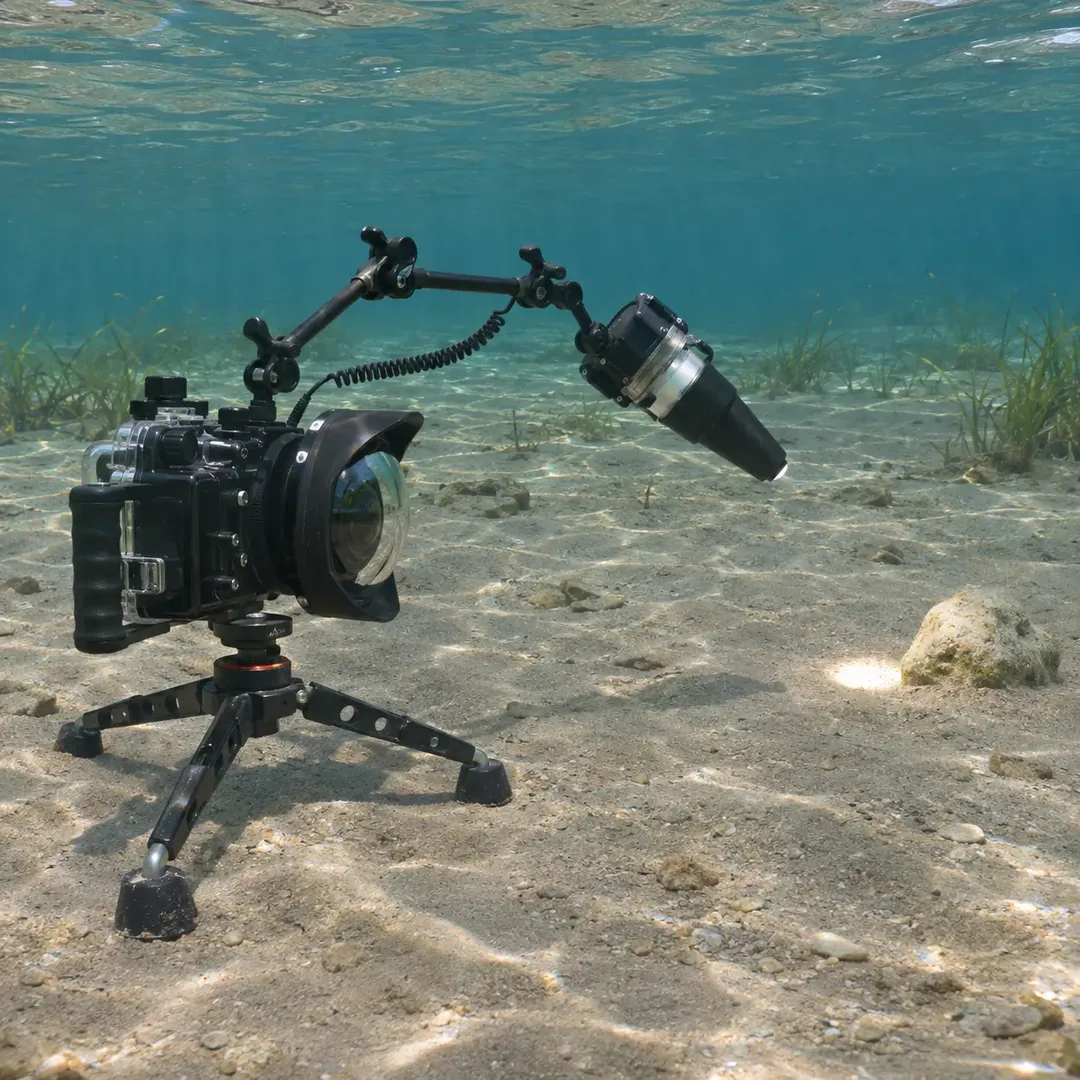
A cautious approach is to establish the composition first, estimate where the light should fall, and then make small adjustments. If the lighting system includes an aiming light, consult the manufacturer’s instructions for the exact model to determine how it is intended to operate and whether its position corresponds with the flash beam. Do not infer compatibility or operating methods from another system that merely looks similar.
Emphasize the Light Without Losing the Sea
It is easy to make the lit area extremely bright compared with the background, but greater intensity is not necessarily the objective. In the Sodwana Bay experiment, the author favors a restrained effect in which the eye reaches the subject first and then continues exploring the reef.2 That is a personal aesthetic choice, but it raises a useful question: does the light guide the viewer, or does it overpower the frame?
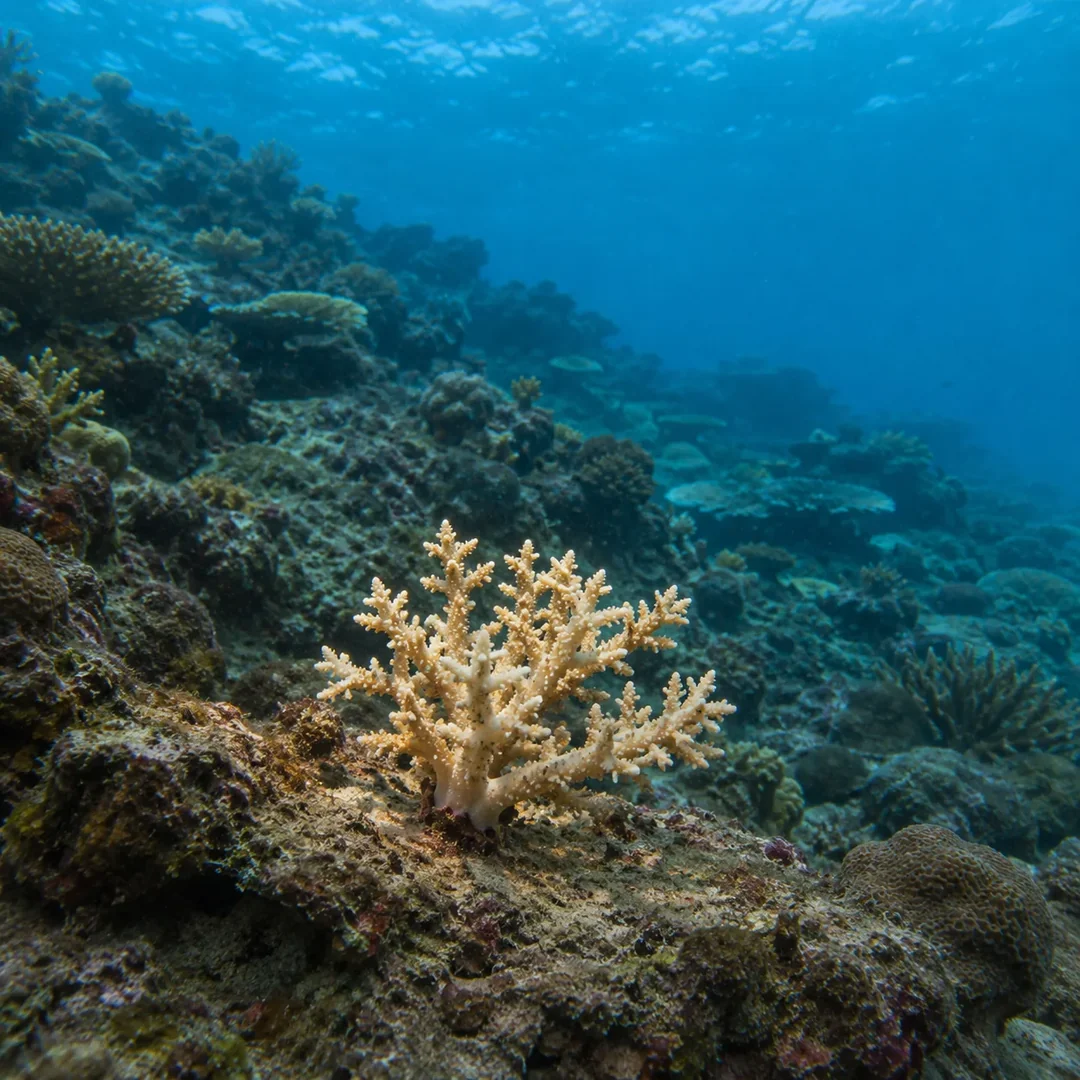
Assess the transition between the illuminated area and its surroundings. If the pool of light appears completely disconnected, the photograph may no longer convey the intended sense of space. If there is no visible separation, the snoot may add little emphasis. The desired balance depends on the visual story rather than a fixed number.
What to Consider Before the Dive
Snoot photography adds tasks to a dive: monitoring the frame, aiming the light, reviewing the result, and managing a larger camera system. Dive Photo Guide emphasizes being comfortable and stable underwater before attempting the fine adjustments required by the technique.1 Photography is never a reason to exceed the dive plan, the diver’s training, or conditions in which good control can be maintained.
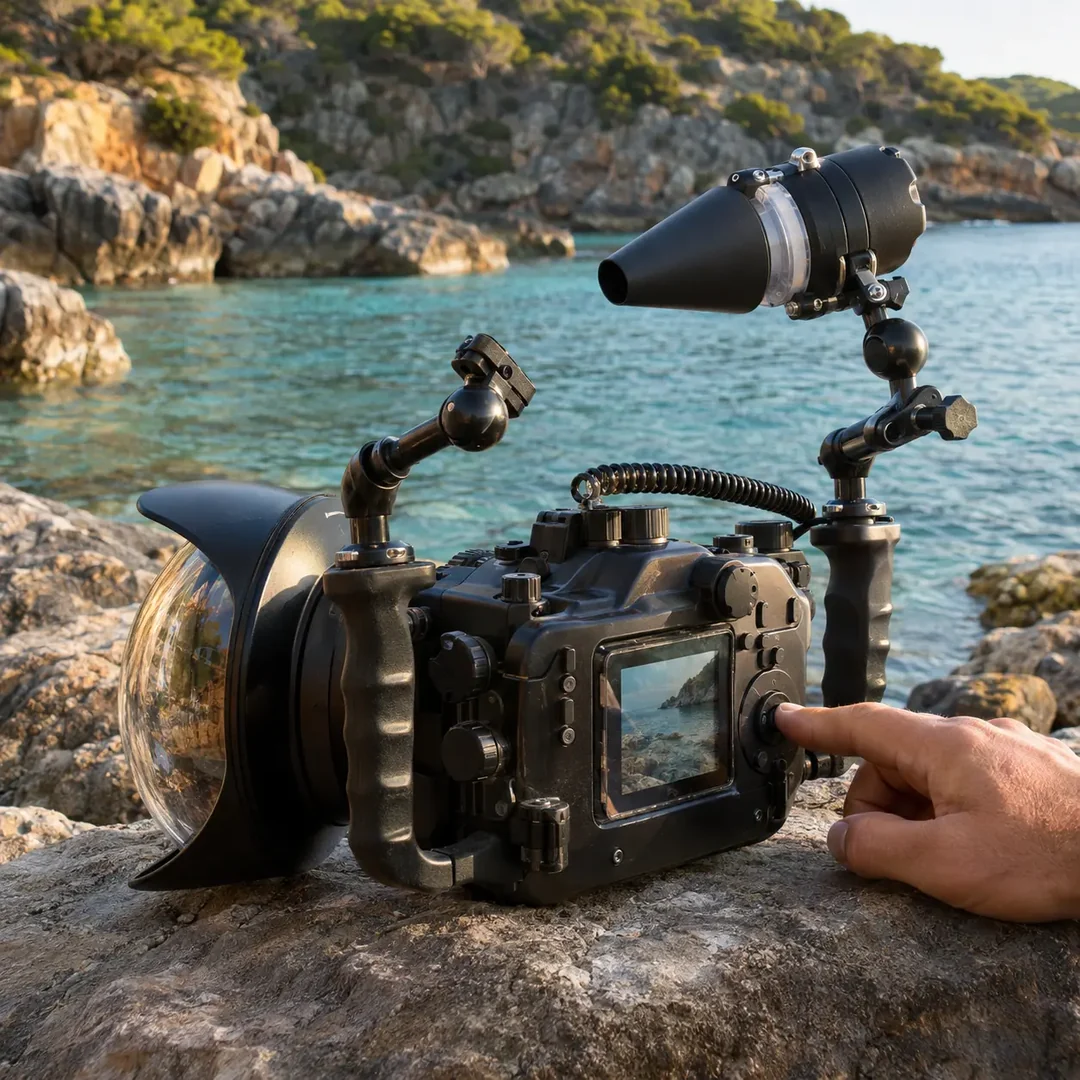
Before entering the water, define a simple visual objective: one foreground subject, a background with a clear role, and a pool of light intended to lead the eye. For snoot assembly, strobe compatibility, sealing, batteries, or maintenance, follow only the manufacturer’s instructions for the exact model and consult authorized service personnel whenever there is uncertainty.
Safety and Responsibility Underwater
The photograph remains secondary to safe diving and responsible behavior around marine life. A missed beam is no reason to chase a subject, make contact with the bottom, or lose awareness of your buddy and surroundings. If conditions, task loading, or stability do not allow calm work, leave the image and try again on a more suitable dive.
Wide-angle snoot photography is compelling precisely because it offers no shortcut. It asks the photographer to decide what matters in the frame, how much of the sea should remain visible, and where the light supports the story. Starting with a simple scene, recording changes between attempts, and critically examining the relationship between subject and background can make practice more methodical—even when the available research does not provide independently verified technical rules.