
Our Maldives honeymoon paired a week of liveaboard diving with five days exploring Sri Lanka, from cave temples to tea country. Follow our route, the marine encounters, and the places we visited on land. Flights, services, local arrangements, and encounters in this story reflect the time of our trip.
On this page
Reaching the Maldives
Our honeymoon began with several planes. After weeks of anticipation, my wife and I arrived at the airport with one aim: a honeymoon in the Maldives and Sri Lanka that we would remember for the rest of our lives. Wild Dive had planned the journey, and their thoughtful team did everything they could to make it special.
Our route to the Maldives took three flights. First came a short hop to Amman with Royal Jordanian. Then a hurried connection to Sri Lanka, helped by a kind airport employee who moved us to the front of the security queue. Finally, SriLankan Air took us from Colombo to the airport near Male, the Maldivian capital. We would return to Sri Lanka for the second half of the trip.
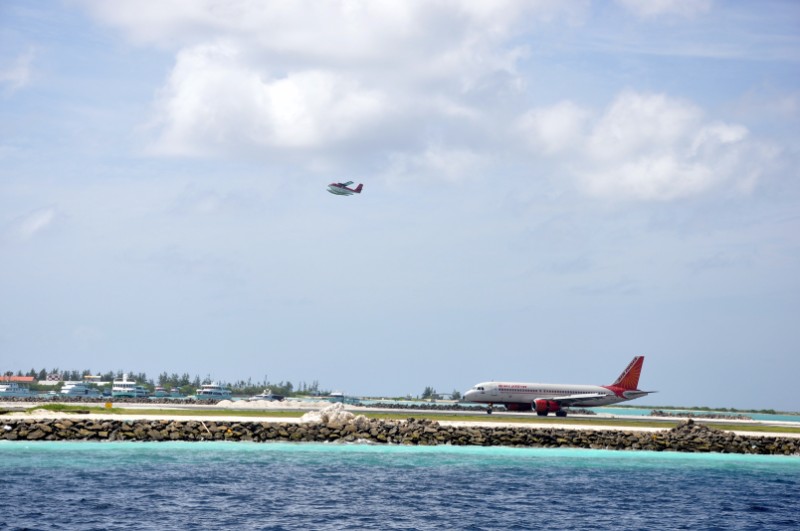
The Maldives is an archipelago of coral atolls built on an ancient volcanic foundation. Its low islands formed from sand and other reef sediment.
The Maldives has resort islands as well as guesthouses on inhabited islands. A resort stay and a visit to a local island offer different experiences. Although bringing alcohol into the Maldives is prohibited, most tourist yachts and resorts have licensed bars and serve drinks to guests.
At the time of our trip, we paid in US dollars and did not need to exchange money. We found prices relatively high.
A week aboard Carpe Diem
My wife and I both dive, so we chose to spend our week in the Maldives aboard Carpe Diem, whose Latin name invites you to seize the day. The liveaboard travels from one dive site to the next, letting you explore the best of the underwater world.
If diving is not your priority, there are island-hopping cruises and resorts: often a collection of villas on a small island, with many built over the water. Private steps lead from your room into the sea, while warm white sand, coconut palms and attentive staff complete the scene.
Sana, the yacht’s representative, met us at the airport and gathered our excited group, including travelers from Britain and Scotland, Russia, Switzerland and Australia, for our first transfer aboard.
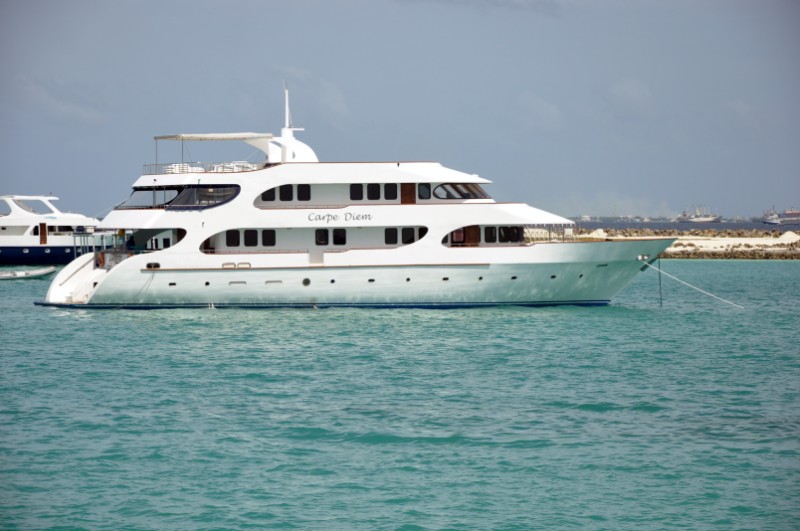
On our trip, Carpe Diem provided everything we needed for a week of diving at sea. Most of the crew were Maldivian: patient, smiling people who made us feel at home. Alongside the captain and dive guides, there was an excellent chef, a housekeeping team and crew handling the diving operations.
The yacht felt comparable to a 4-star hotel. Wood-paneled cabins were spacious, with comfortable beds, air conditioning and private bathrooms. Towels were changed frequently, thanks to a small onboard laundry, and the cabins were cleaned and tidied twice a day.
Meals were a pleasure: fresh tropical fruit, local fish, lightly spiced coconut-milk dishes and plenty of rice. The fruit often tasted richer than what we were used to at home. At breakfast, eggs came just as we liked them; the chef asked each evening how we wanted them the next morning. Sometimes there were surprises, including a local flatbread reminiscent of malawach, served with a spicy fish salsa.
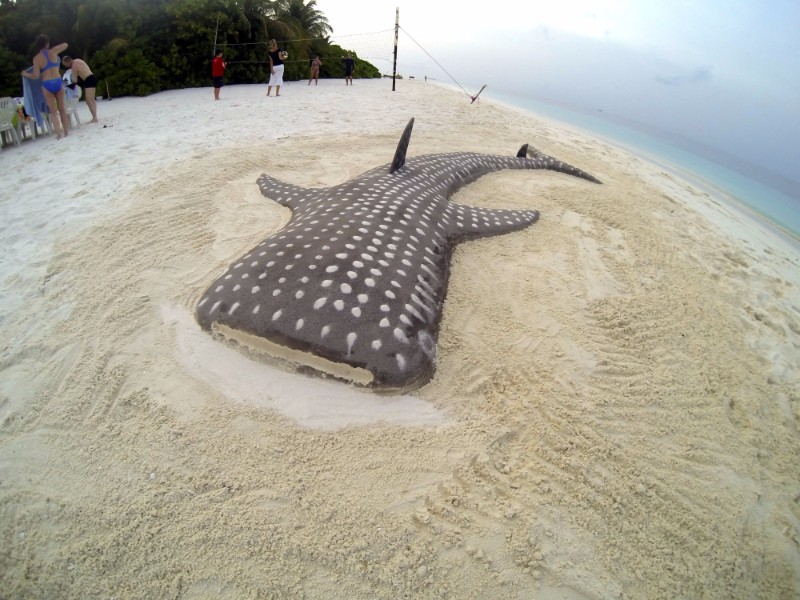
One evening, we went ashore on a tiny island with a shoreline of only about 200 meters. Lush greenery, coconut palms and untouched white sand surrounded us. The crew sculpted a whale shark from sand, outlining it in black, adding white spots and finishing it with wooden fins. They said it brought good luck. The following day, we saw our first whale sharks.
Earlier that day, the chef and his assistant had taken the small motorboat out with fishing lines and bait. Half an hour later, they returned with broad smiles and an enormous red snapper. It became the centerpiece of dinner on the island, grilled over glowing coals with potatoes and served with rice, fruit and vegetables.
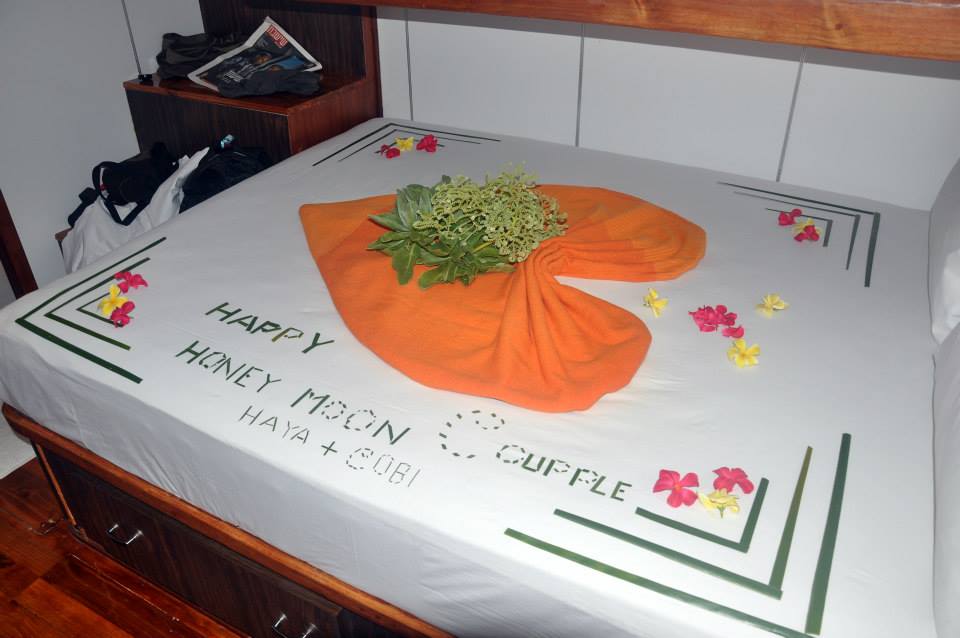
Back in our cabin, another surprise was waiting: flowers and honeymoon wishes arranged on the bed. After a gesture like that, it was hard not to love the crew.
Diving in the Maldives
Diving was the reason we chose a liveaboard in the Maldives. The wrecks and reefs gave us plenty to explore, but the range of animals made the strongest impression: from small reef fish to turtles, sharks, and mantas.
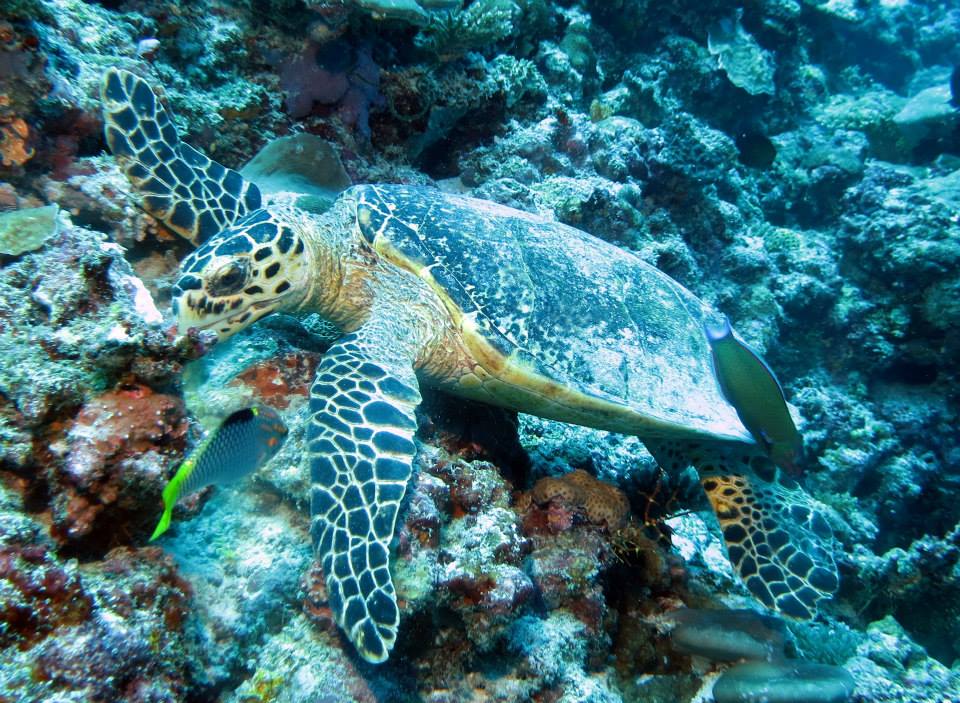
Currents in the Maldives change with the monsoons and vary by site. Compared with the familiar calm of the Red Sea, currents set the pace here. They carry food to the reefs and support a rich, varied ecosystem. They also need to shape every dive plan. At times, the flow is too strong to swim against; at others, the water is so clear and calm that hovering feels effortless.
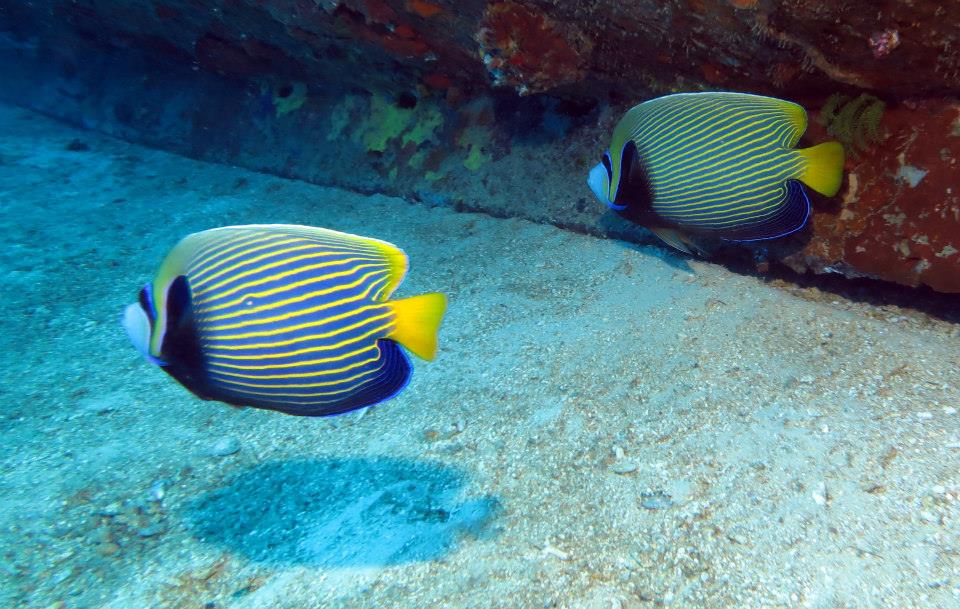
The reefs become bright oases of life. Butterflyfish, angelfish and surgeonfish, including large Naso tangs and powder blue tangs, move among curious batfish. Stingrays, sea turtles, sharks, mantas and even whale sharks add to the scene. With so much life, another surprise always seems to wait beyond the next rock or reef.
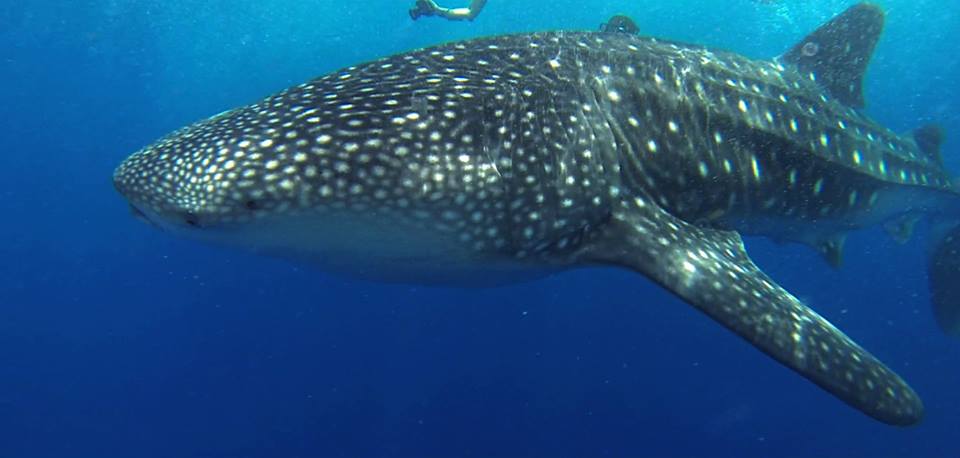
The experienced Carpe Diem crew took us to one memorable site after another: lagoons with feeding mantas, wrecks and submerged pinnacles covered in life. At Maaya Thila, a night dive brought sharks at every turn, stingrays, turtles and huge groupers hunting. Returning by day, we found a different cast: clownfish, surgeonfish, angelfish, including blueface angelfish, dwarf angelfish, parrotfish, Napoleon wrasse, cornetfish and triggerfish.
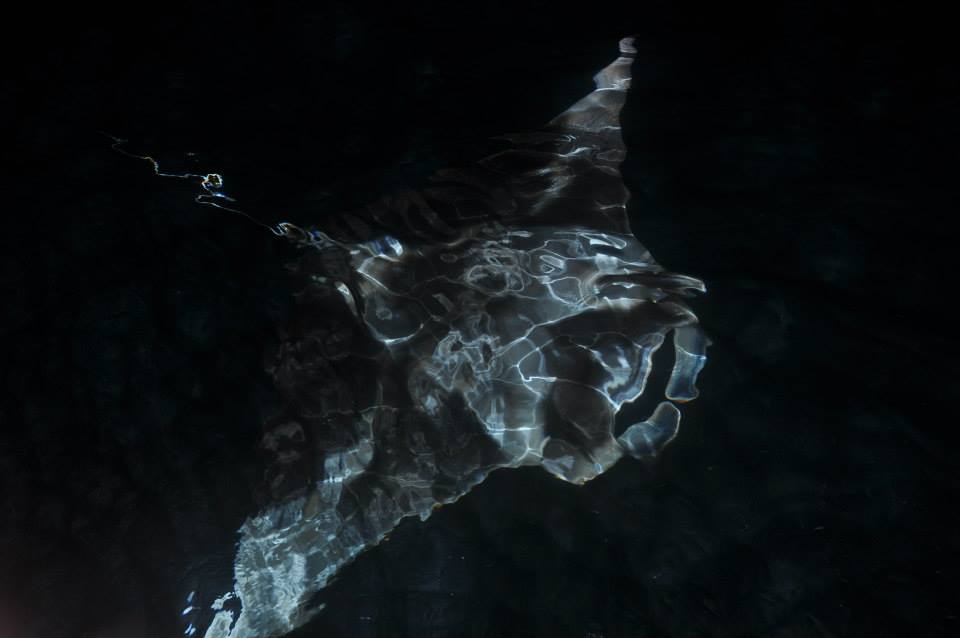
One evening, we anchored in a quiet lagoon and the crew switched on lights that drew clouds of plankton. After a short wait, two dark shapes rose beneath the surface: mantas coming to feed. Within seconds, excited guests were jumping in, clothes and cameras included, to photograph them. The mantas fed for a long time, turning through the water with their characteristic grace. We saw them again on the next day’s dive; it felt as though they had returned to thank us for dinner.
Equipment and photography
A few pieces of equipment, along with care around the reef, mattered on our Maldives diving trip:
Reef protection: Keep your hands and equipment clear of coral. Gloves do not make gripping a reef safe for you or the coral.
A surface marker buoy is essential for every diver, and we practiced deploying one on the first dive. At the end of each dive, we sent the brightly colored buoy to the surface so the pickup-boat crew could find us. A small, loud whistle is useful too.
A camera. Underwater photography in the Maldives calls for good buoyancy, a dependable buddy with a sharp eye, awareness of the currents and care to avoid touching the reef. Bring patience and, ideally, a small backup camera. You do not want to travel all that way only to find your main camera flooded.
The small camera is also handy when mantas or whale sharks appear and everyone grabs fins and snorkels. There is often no time to prepare for a full dive, and a large camera setup can slow you down.
Traveling through Sri Lanka
After a week sailing through the Maldives, we left reluctantly for the next part of our honeymoon: Sri Lanka. A short flight of about an hour and a half brought us to Katunayake airport, near Colombo.
After a tiring passage through queues and airport formalities, we met Sam, our local guide and driver. He would travel with us around the island for the next five days.
Having a guide who also drove suited our trip. With only five days, we wanted to reach the places that interested us without spending hours on public transport or in queues. The travel company and our guide arranged hotels along the way. Tickets were waiting at each attraction, and Sam brought the journeys to life with stories from Sri Lanka’s past and present.
This predominantly Buddhist island has a long history of invasions from neighboring southern India. British control began along the coast in 1796 and extended to the whole island in 1815. Independence came in 1948. At the time of our visit, the bloody civil war between the government and the Tamil Tigers had only recently ended.
After years of conflict, international tourism was growing. The authorities were investing in the industry, and hotels, guesthouses and the occasional tourist trap seemed to be appearing everywhere.
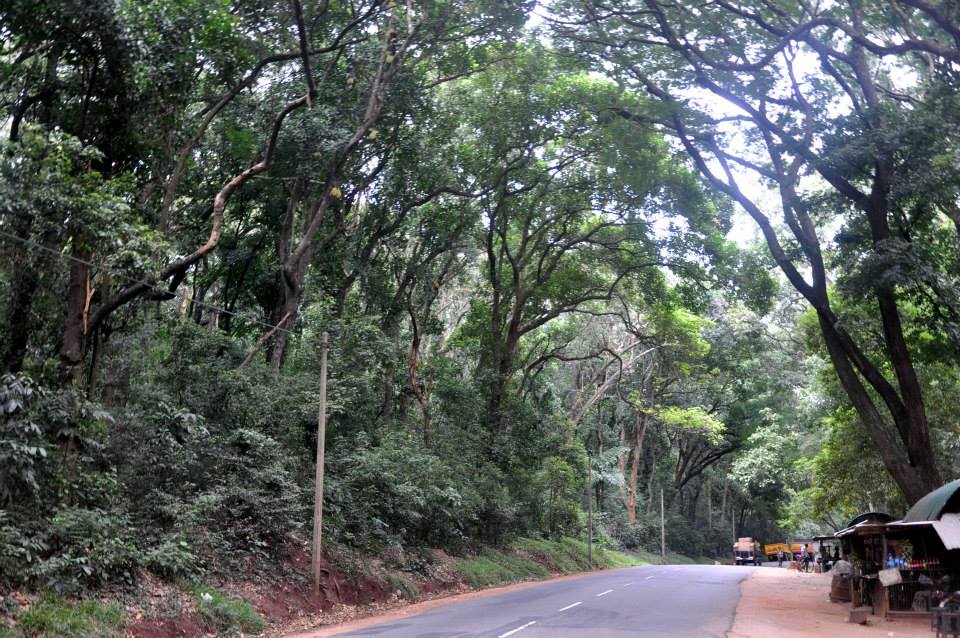
The Sri Lanka we found mixed old and new, different religions, and tradition alongside modern life. Long, narrow roads linked towns and villages; at the time, the country had only one expressway. Shops, garages, vegetable stalls, banks, kiosks and mobile-phone stores lined the way. Immediately behind the buildings, dense jungle spread across the island in brilliant green. Buddha statues, small Hindu temples, mosques and churches stood along the road, often close together.
It was hard to close our eyes on the long drives. The narrow roads set their own pace, with speed limits usually around 60 km/h or lower. Traffic kept to the left, as in Britain and India. We saw only four sets of traffic lights during the trip, and larger vehicles often pushed smaller ones aside. Overtaking was constant, and crossing the road could feel daunting.
Our four- and three-star hotels went out of their way to make us comfortable. Most rooms were spacious and well equipped, with free internet, large bathrooms and attentive service. The ambition to make Sri Lanka a leading destination was clear. Much of the time, the welcome was lovely, though the frequent checks that we had everything we needed could occasionally feel a little much.
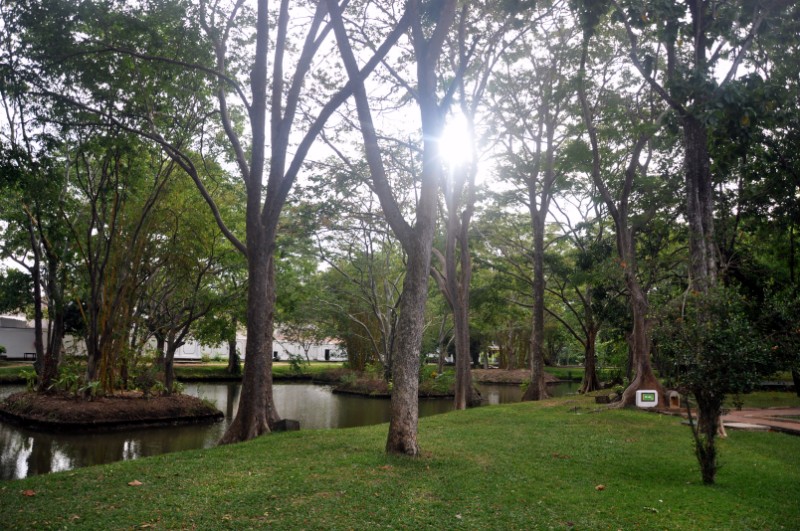
Among our hotels, Cinnamon Lodge stood out: a large property with guest cottages spread around woodland and a small lake. Its dining room had a roof but no walls, making the surrounding nature feel close. Monkeys, squirrels, large lizards and waterbirds shared the grounds.
Another memorable stay was at the Tea Factory, a former tea-processing building that had been abandoned and then carefully converted into a hotel. Endless tea plantations surrounded it. Original machinery remained inside and was set in motion, noisily, to call guests down to the dining room.
The hotel food was fresh and well prepared, combining Sri Lankan dishes with Indian and Maldivian influences and international options. Breakfast could mean eggs cooked to order, spicy lentil dhal with local bread, creamy potatoes or other hot dishes. It was difficult to resist another helping.
Six stops in Sri Lanka
Dambulla Caves
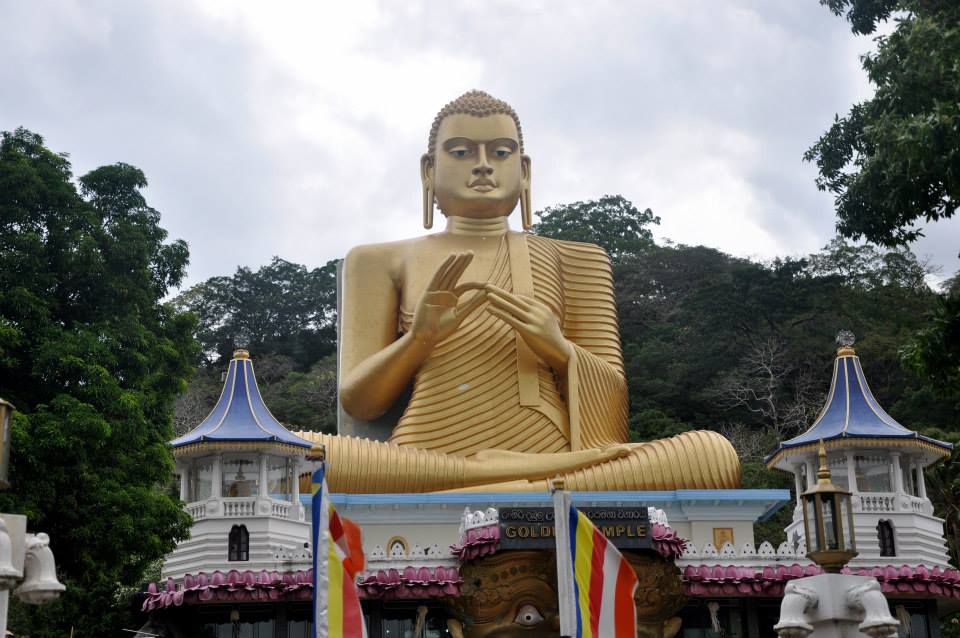
The Dambulla cave temple, also known as the Rock Temple, hold a series of Buddhist shrines inside caves and recesses. This World Heritage Site is in Matale District, central Sri Lanka. Buddhist monks have occupied the caves since the third century BCE. A climb leads to shrines filled with statues and murals.
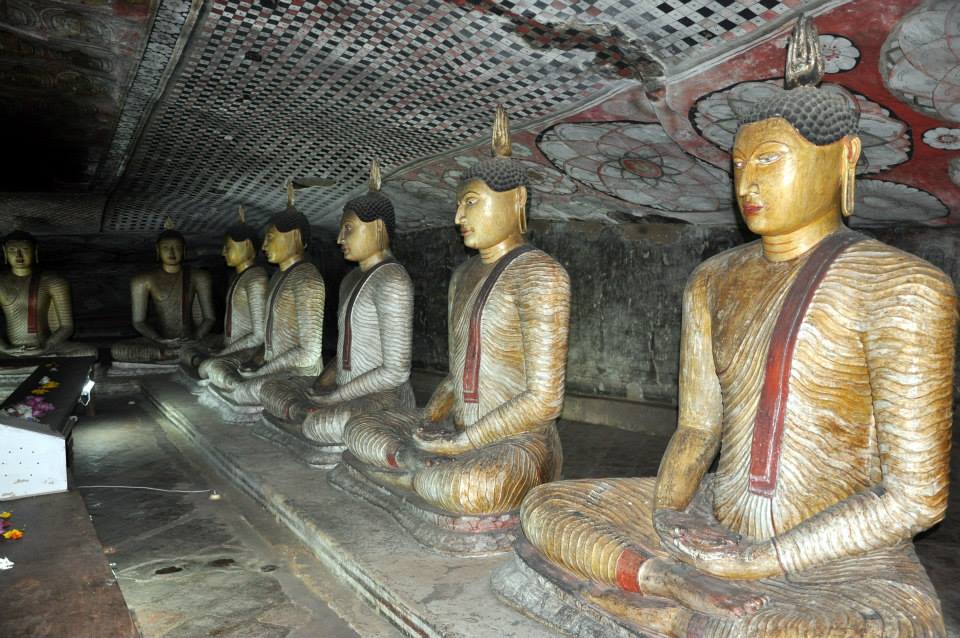
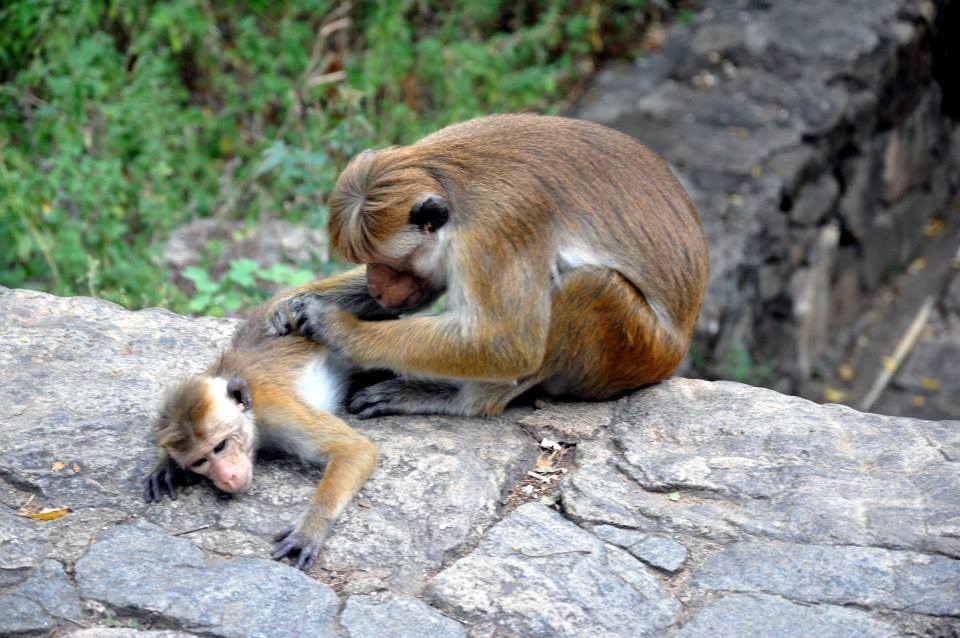
On the steps to the temple, Buddhist pilgrims climbed with small children and armfuls of offerings. The small monkeys living along the route were bold: they liked snatching things from people’s hands, especially food and temple offerings.
Polonnaruwa
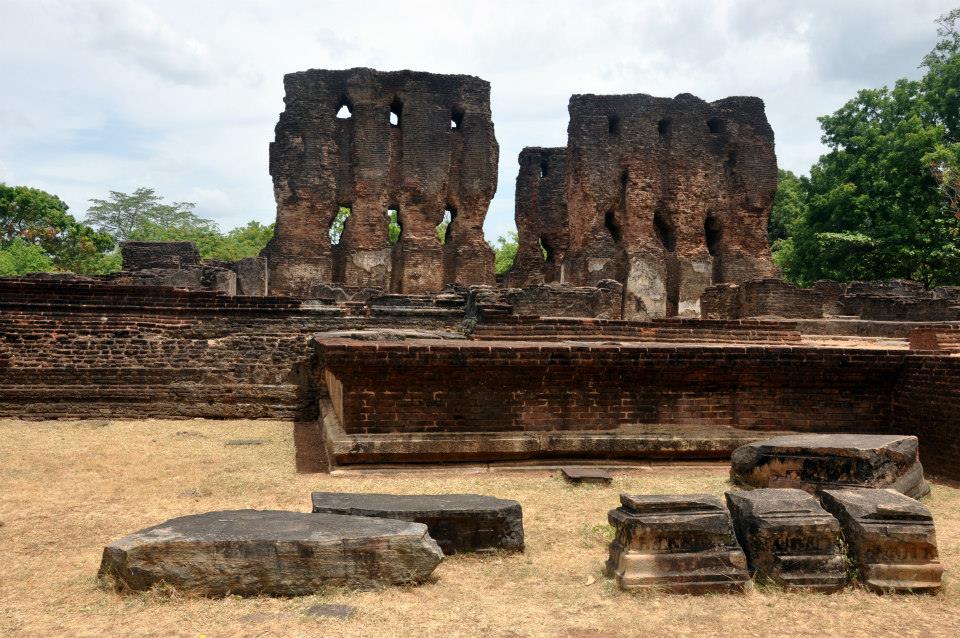
Also in central Sri Lanka, Polonnaruwa became Sri Lanka’s second capital after Anuradhapura was destroyed in 993. The World Heritage Site includes the old city and a nearby archaeological museum. Palace remains, temples, stupas, bathing pools and statues make it a rewarding place for anyone interested in architecture, archaeology or photography. Even Duran Duran filmed a music video here.
Minneriya National Park
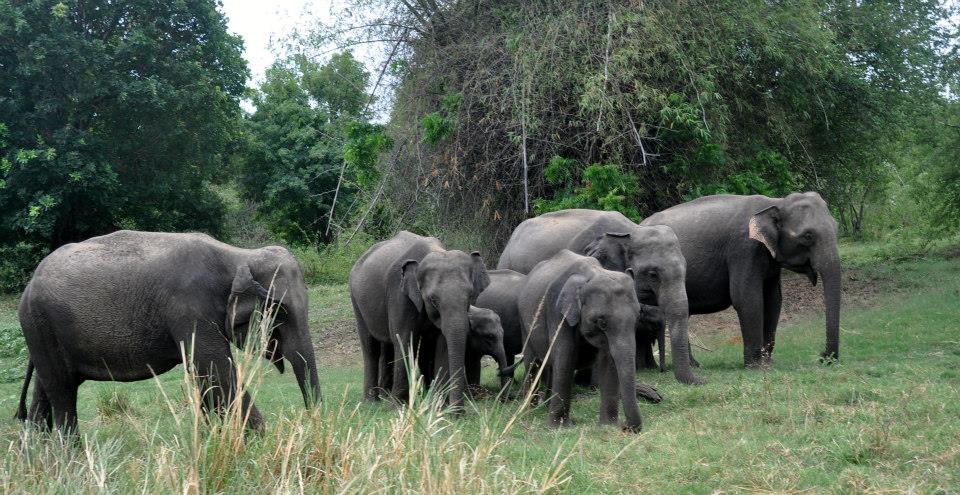
One of Sri Lanka’s most important national parks, Minneriya was declared a sanctuary in 1938 around its artificial reservoir. Built in the third century CE, the reservoir partly dries out in summer, exposing ground where grass grows for wild elephants to feed. Seeing the elephants was unforgettable. Birds, lush vegetation, deer, monkeys and buffalo added to the experience.
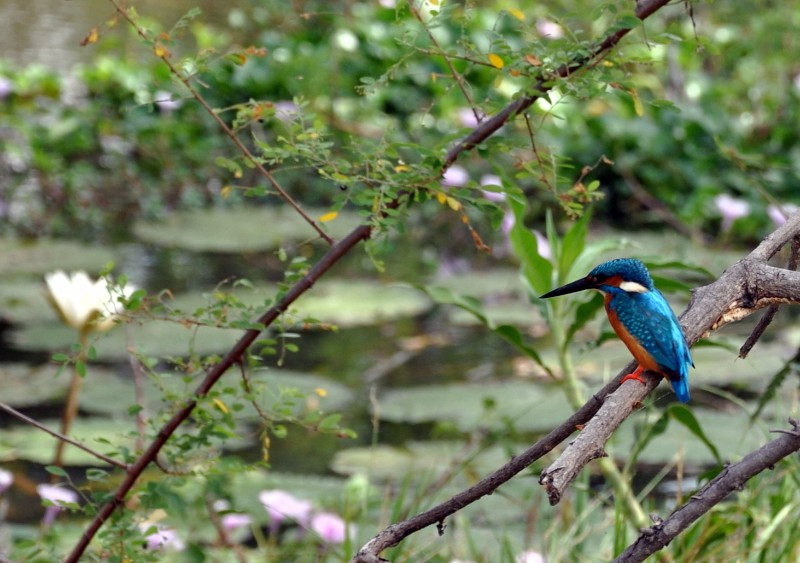
We explored the park in an open jeep, a bumpy adventure in its own right. Sunglasses helped with the considerable dust.
Sigiriya
Sigiriya, or ‘Lion Rock’ in Sinhala, rises about 180 meters above the surrounding landscape. Its royal capital was built under King Kassapa I, who ruled from 477 to 495 CE. Gardens, canals, walls and caves surround the rock.
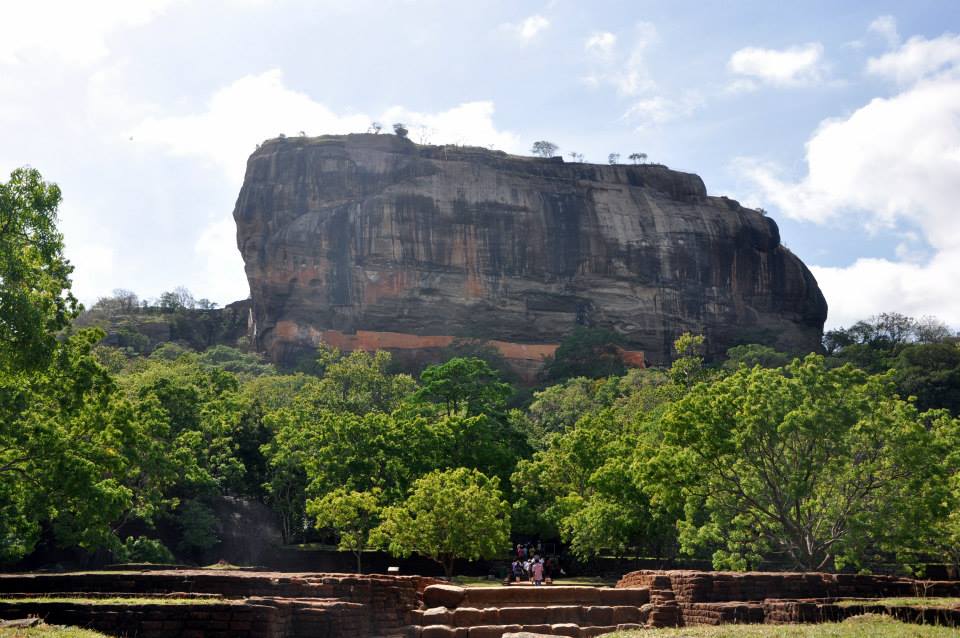
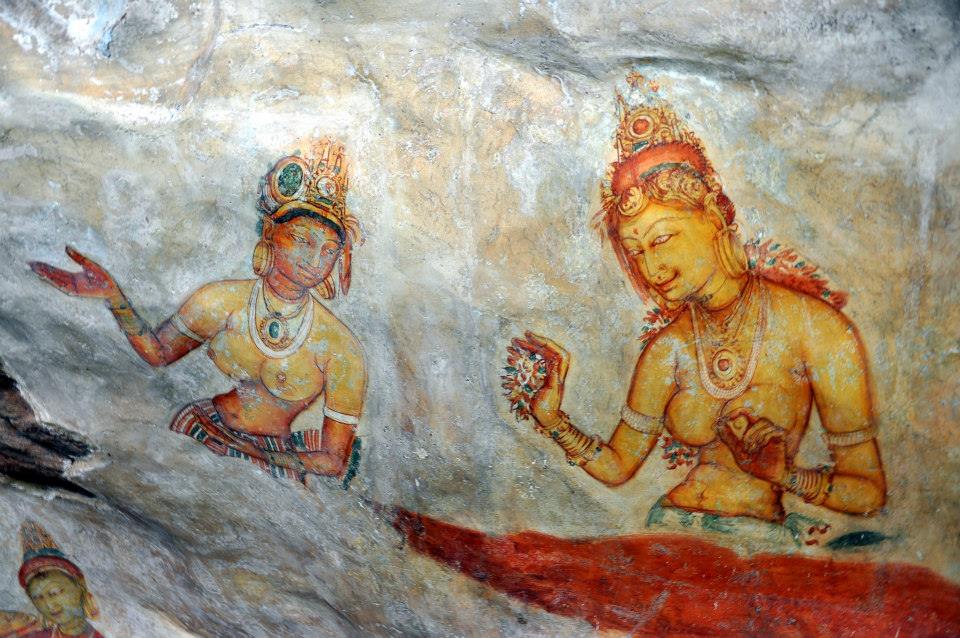
Hundreds of steps lead to the palace ruins. The climb takes your breath away, as do the views across the plains. About halfway up, a rock shelter holds plaster walls painted with colorful female figures. Near the final ascent, enormous carved lion’s paws remain from what was probably a huge statue guarding the palace.
The climb is demanding and queues can build on the stairs, but Sigiriya was one of the most beautiful places we visited in Sri Lanka. For us, it was worth every step.
Peradeniya
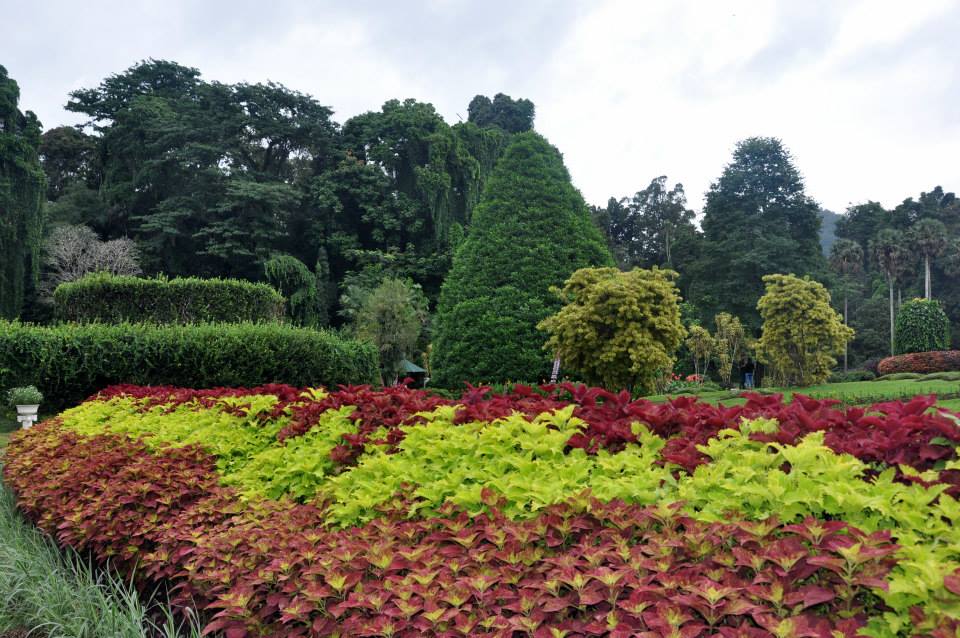
Peradeniya’s gardens lie on the outskirts of Kandy, in the island’s center. Their royal history dates back to 1371. The botanical garden was established in 1821, under British rule. We found them beautifully kept. It was easy to lose track of time beneath huge fig trees, along palm avenues and beside small fountains. The orchid house and large bats were particular highlights.
Nuwara Eliya
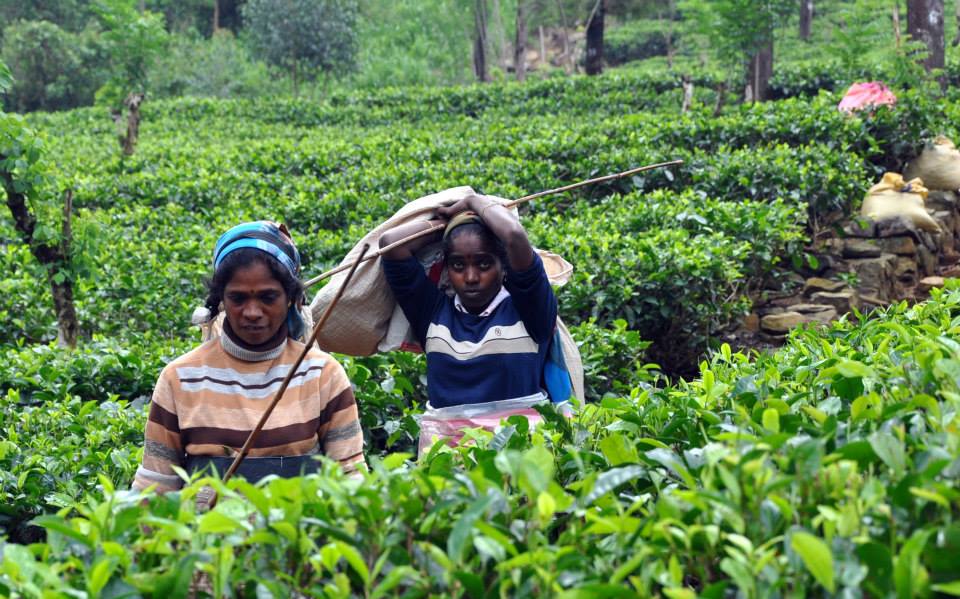
Nuwara Eliya is a town and tea-growing district in Sri Lanka’s central hills. The town sits at about 1,868 meters, in a cool climate well suited to tea. The region lies at the heart of Ceylon tea production, with plantations stretching across the hills, broken by small farmhouses, tea-packing factories and waterfalls.
Meeting the tea pickers and visiting a factory were highlights. A tour takes you past the machinery and ends with a tasting of different teas. Bring an umbrella; rain is part of life here. Then take your time and enjoy it.
What connected the two halves
Looking back, the Maldives and Sri Lanka gave us different ways to spend time together. At sea, the next dive shaped the day. On land, Sam’s driving and the arrangements made ahead of us let us spend our five days on the places we wanted to see. Both parts left us with photographs and small details that stayed with us, from the crew’s sand sculpture to the tea factory machinery.
If the underwater encounters are what draw you to the Maldives, our marine life identification guide is another place to follow that curiosity. For me, the variety was the pleasure: watching what appeared around the next reef, then finding a different kind of life along Sri Lanka’s roads.