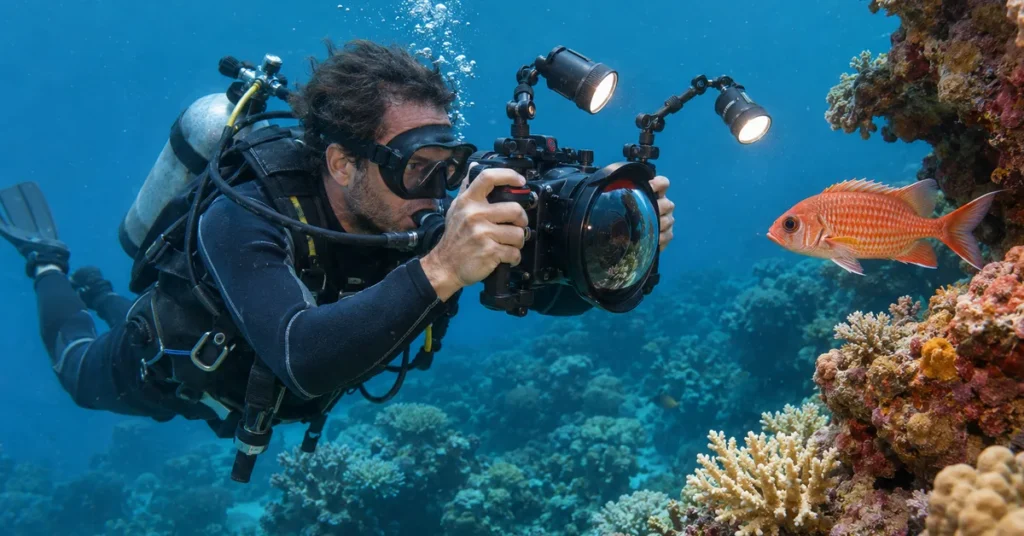
In underwater photography, a strong marine-life photograph begins before the shutter is pressed: it starts with reading the animal’s body language and deciding whether approaching is appropriate at all.1 Cameras and strobes cannot replace the fieldcraft needed to get closer without changing an animal’s behaviour.1 For scuba divers photographing wildlife in the Red Sea and elsewhere, the source provides no location-specific rules or guidance for particular sites or species, so these principles should be treated as a way to interpret an underwater encounter rather than as instructions for any one destination.1
On this page
What to Know Before the Dive
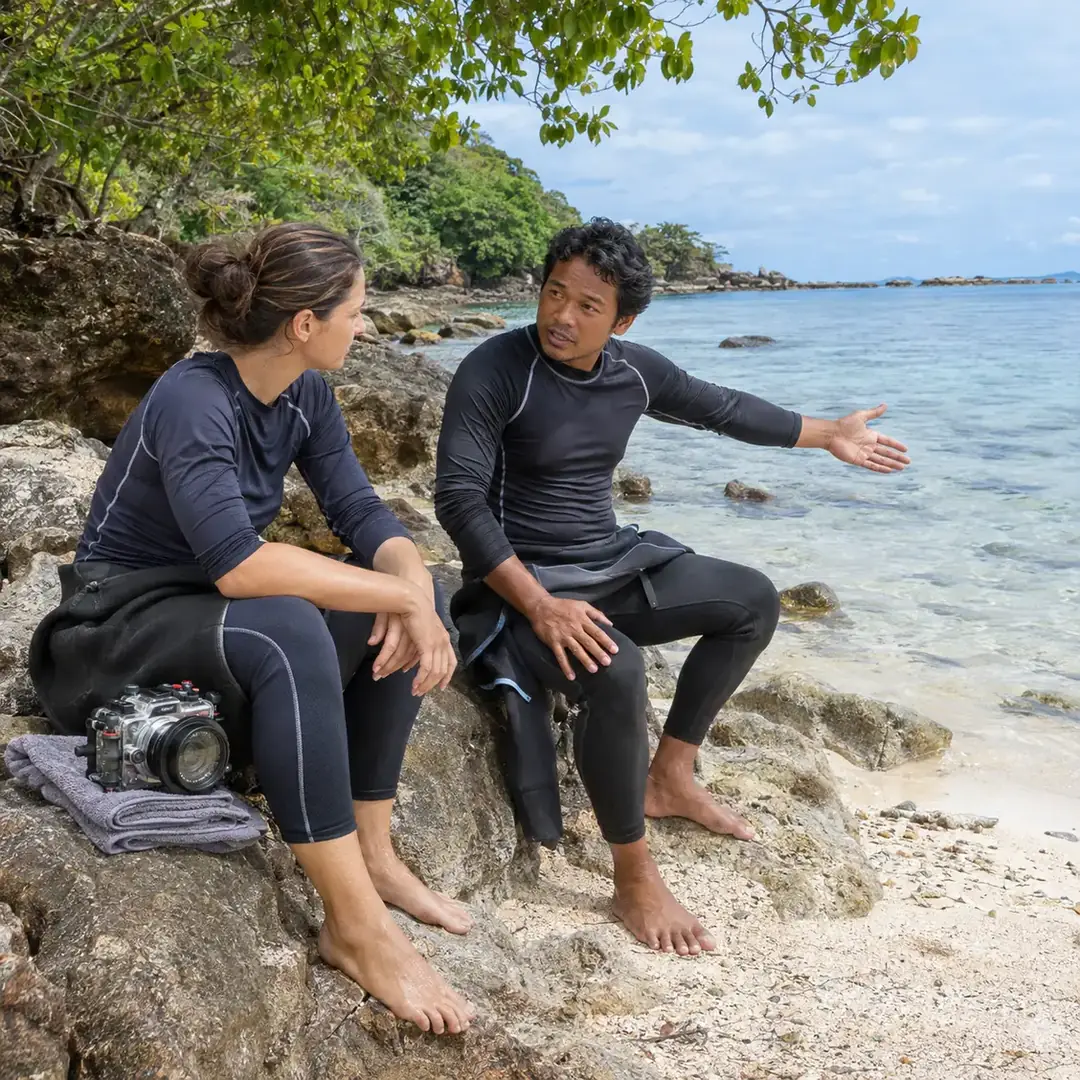
The work behind an image begins before the lens is pointed at an animal.1 Underwater photographer Jenny Stock explains that advance research and conversations with guides and experts can help a photographer understand where to position themselves and what might endanger either the diver or the animal.1 A guide who knows the setting can also judge whether a photographer has enough buoyancy control and spatial awareness to approach small, delicate creatures.1
Preparation cannot guarantee a particular encounter or photograph because the ocean is not a studio, and photographers do not control the animal, light, current or behaviour.1 It can, however, shift the photographer’s attention away from chasing an image and toward understanding the environment and the subject’s boundaries.1
Reading Marine Animals’ Body Language Before Approaching
Reading marine-animal behaviour is one of the most important skills an underwater photographer can develop.1 Every species has its own body language and boundaries, while the diver’s behaviour also influences how the animal responds.1 It helps to consider what the animal was doing before the photographer arrived and whether it continues that activity after noticing their presence.1
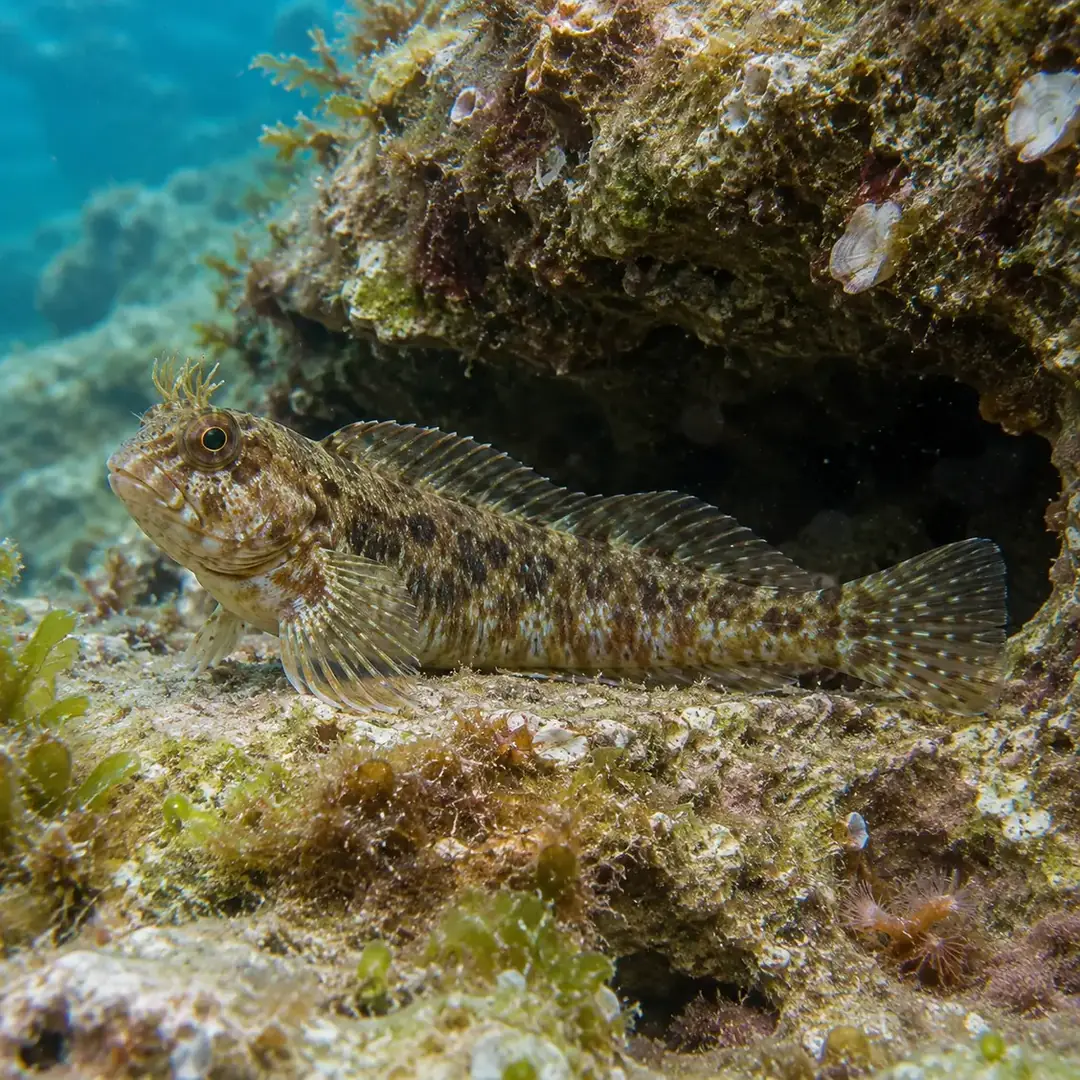
When a small creature retreats into a hiding place, stopping and waiting may allow it to resume its previous behaviour.1 If it does not, Stock describes moving away, photographing another subject and then making a second, slower and quieter approach.1 This reveals more than how close the camera can get: it shows whether the photographer’s presence has already changed the moment they hoped to document.1
Slow Movement Is Part of the Photograph
Slow, deliberate movement, with breathing used to control position, improves the chance of recording natural behaviour.1 Underwater, even a small fin kick or sudden arm movement can push water toward a delicate animal.1 Rushing toward a subject while moving the camera around may drive it away and prevent the behaviour the photographer wanted to observe.1
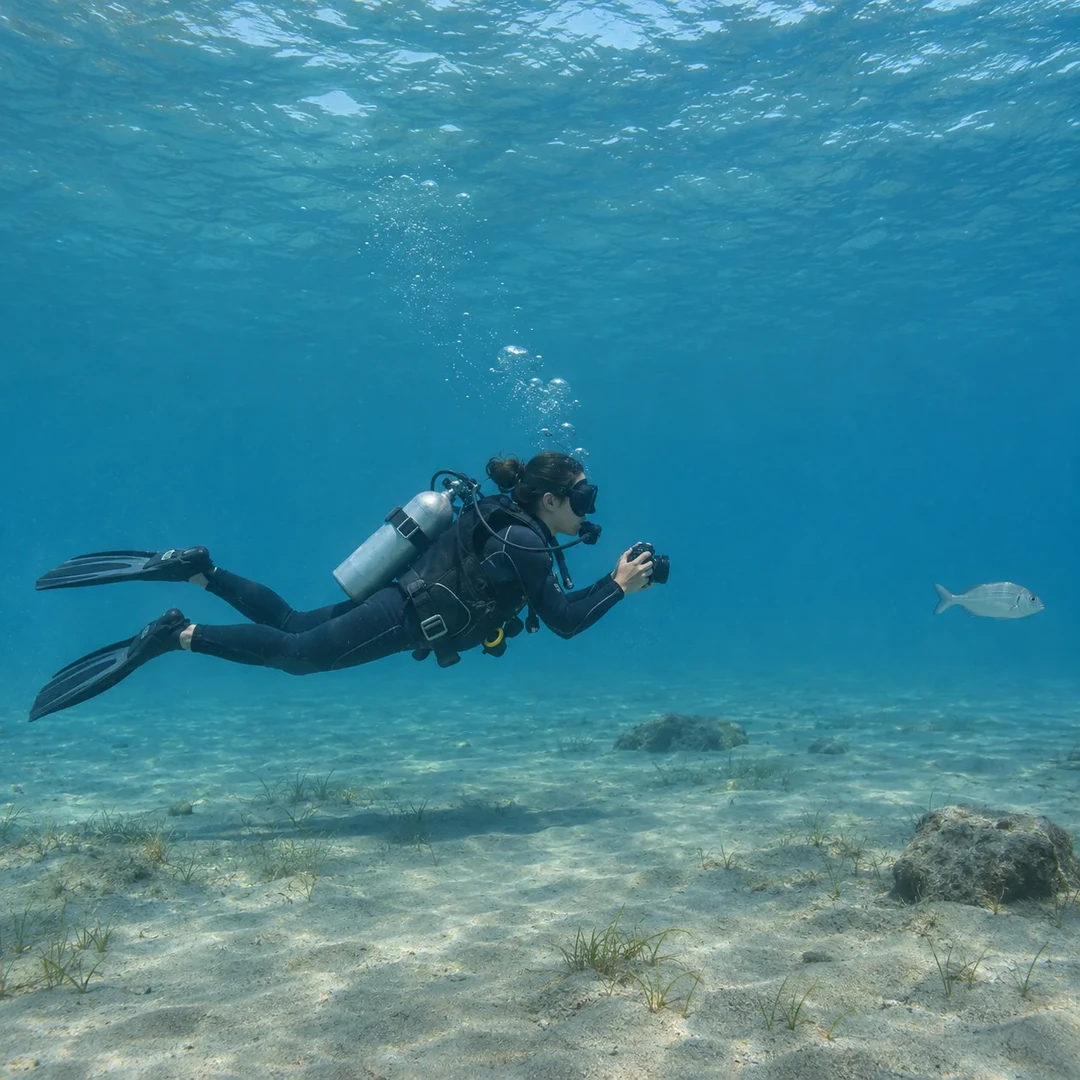
The source recommends replacing a constant pursuit with a calmer presence in the environment.1 When divers reduce their movement and do not force their position, animals may continue along their natural paths or approach out of curiosity.1 This does not promise a photograph; it simply leaves room for natural behaviour within the frame.1
Sometimes the Right Approach Is to Stay Still
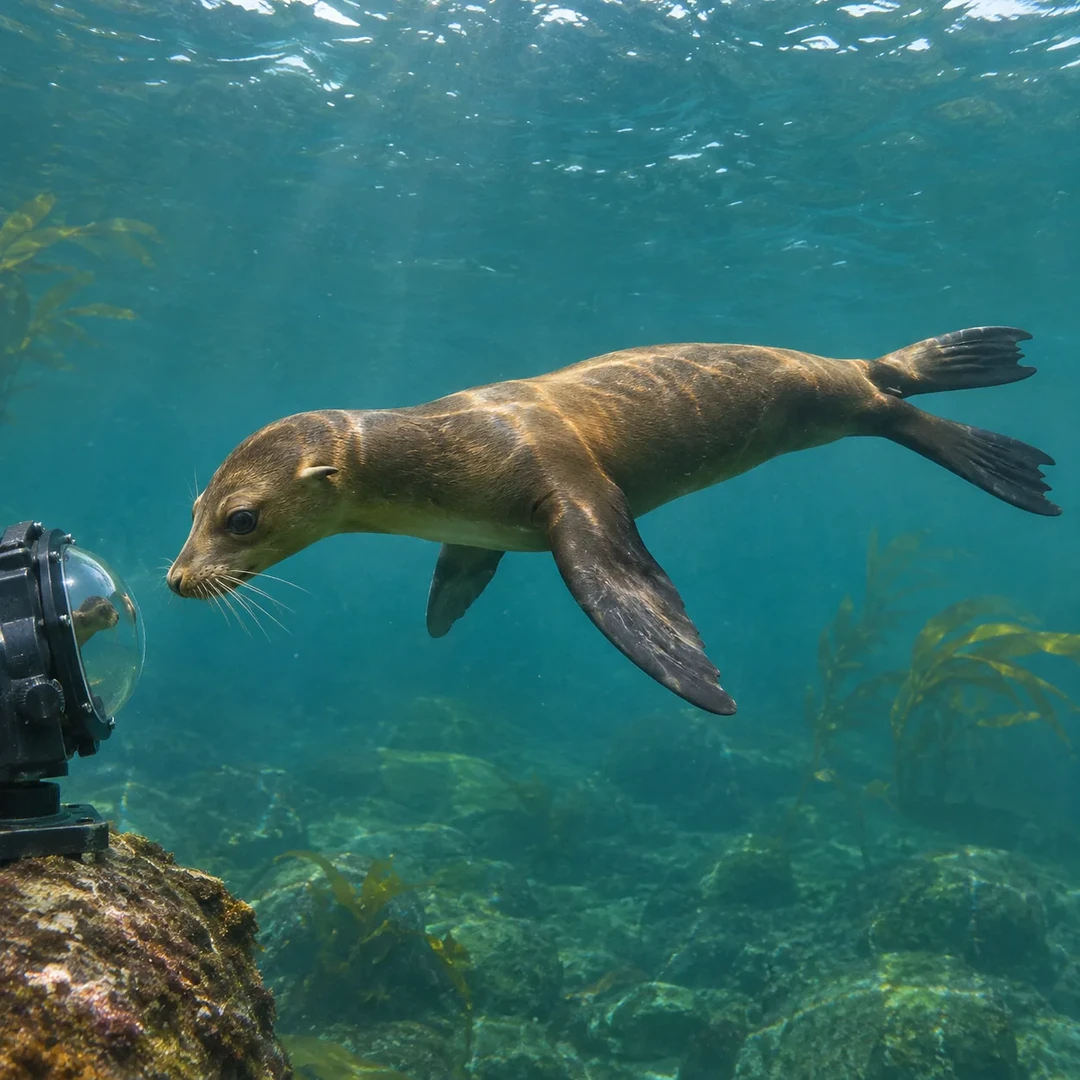
Sometimes it is better to remain in one place and let the animals decide how close they want to come rather than chasing them.1 Stock describes an encounter with sea lion pups in which she stayed still and allowed them to investigate her and their reflections in her camera’s dome port.1 That choice produced behaviour and photographs that could not have been created by trying to force the encounter.1
Patience can also reveal behaviour that may never appear if a photographer takes a few frames and immediately moves on.1 Behavioural images communicate something about an animal’s life, whereas a quick photograph may only document its presence.1 Waiting, however, does not give a photographer permission to touch the animal, move it or approach beyond the limits it sets.1
Positioning Low Around Sharks
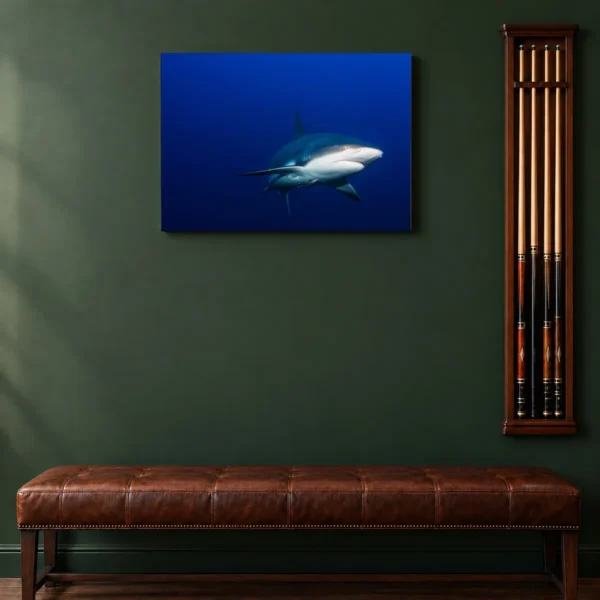
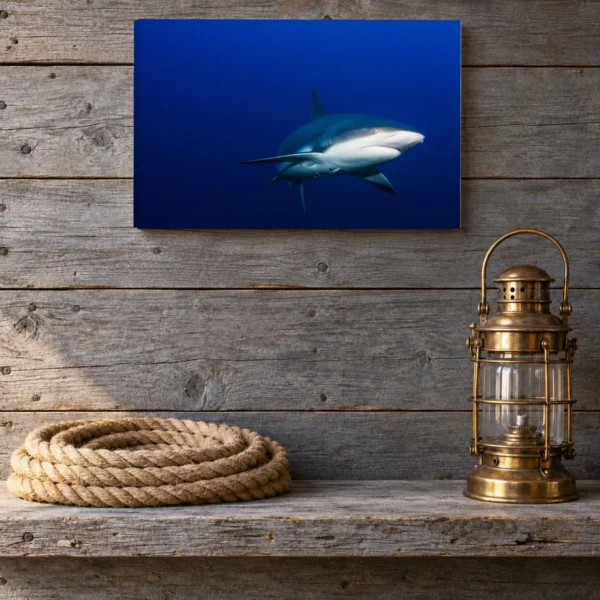
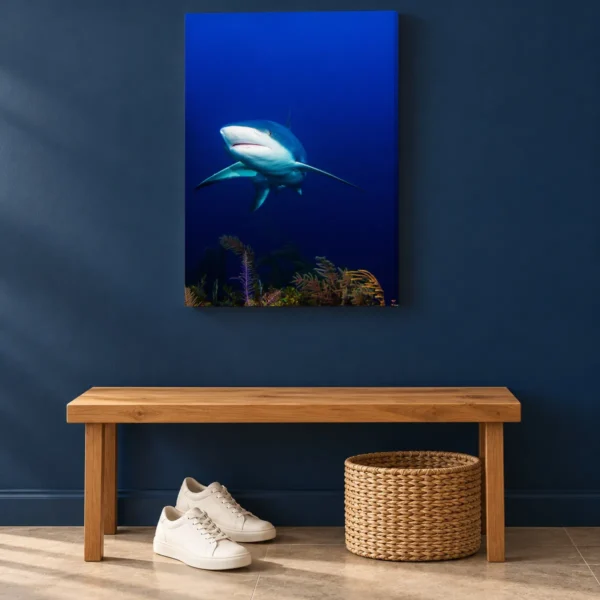
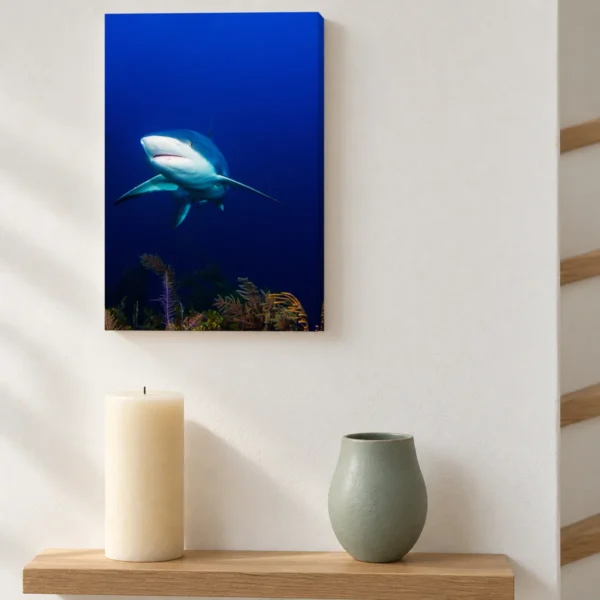
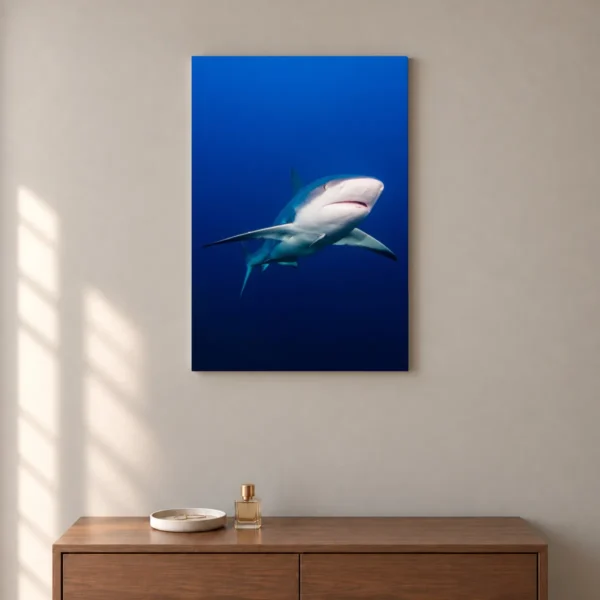
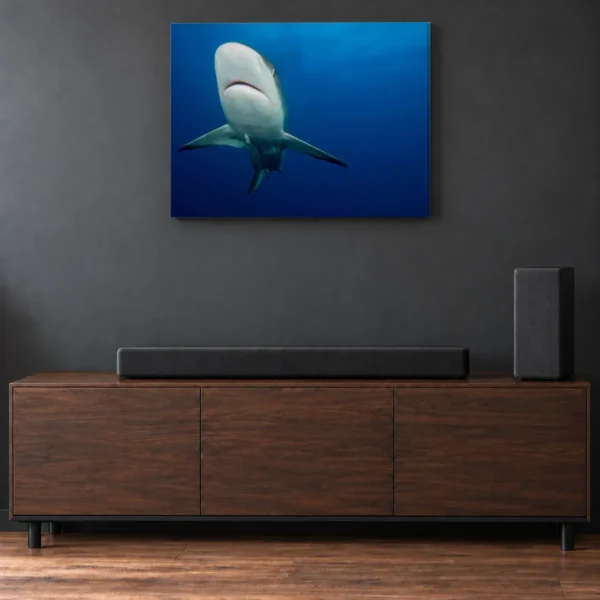
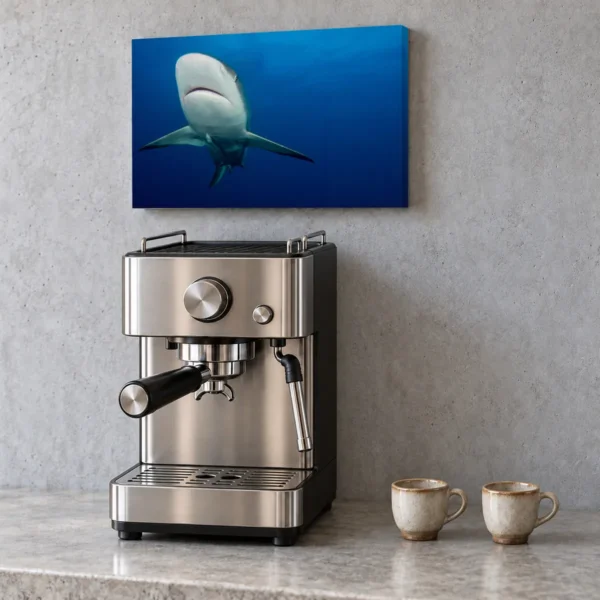
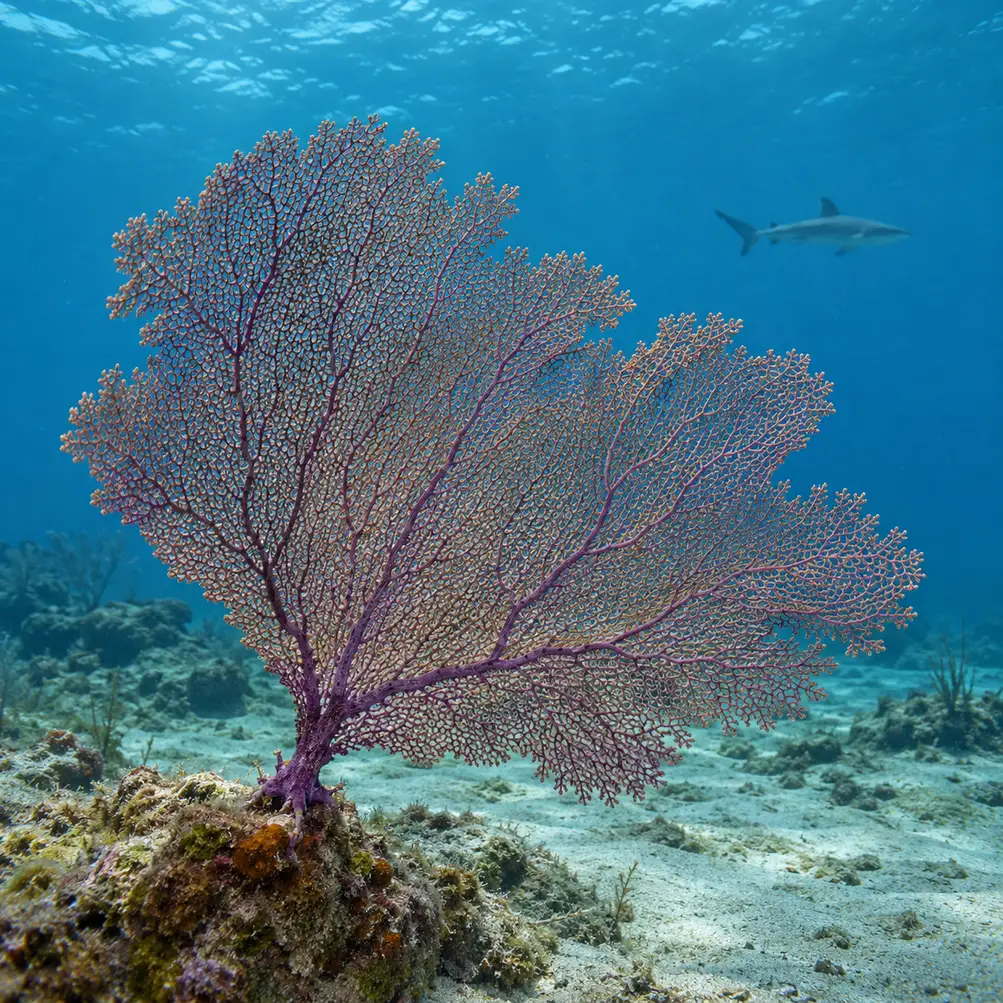
Sharks may turn away from a diver swimming in the water column because the diver’s bulk can make them appear to be a possible threat.1 The technique described in the source is to position yourself low on the seabed, hide behind a large sea fan or boulder and wait patiently.1 In suitable circumstances and with some luck, the shark may pass closer and occupy more of the frame.1
The source suggests choosing an attractive sea fan that can provide an interesting foreground, but it also warns that even resting a fin on the bottom for stability can harm small creatures.1 Hiding must therefore not be interpreted as permission to touch or lean on a reef, or to damage it for the sake of a camera angle.1
Safety and Responsibility Underwater
The central ethical question is who controls the encounter: the animal or the photographer.1 The article identifies harmful conduct such as chasing mantas, blocking escape routes, and repositioning nudibranchs or seahorses for a photograph.1 Sharing an image in which an animal is held or moved can also normalise damaging behaviour that viewers may try to copy.1
When an animal does not want a diver nearby, the photographer should stop approaching and leave.1 Correctly reading the signs, moving slowly and choosing a thoughtful position still cannot guarantee that an encounter will happen.1 An image in which the animal appears smaller in the frame may be more successful and meaningful than a close-up obtained by altering its behaviour.1
At Red Sea dive sites and elsewhere, this source does not replace a local briefing, familiarity with site conditions or sound judgement during the dive.1 Its contribution is a simple principle: the most rewarding underwater photography happens when an animal allows the photographer briefly into its world without being changed by their presence.1