
Choose a liveaboard itinerary by comparing sea conditions, wildlife and diving difficulty before you look at cabins. A route built around large animals may feel very different from one devoted to reefs or unhurried photography. This guide helps you ask the questions that connect the holiday you want with the diving you can comfortably enjoy.
On this page
Start with a short priority list: conditions you know, animals you hope to see and how much challenge you want. Then compare trip length, cabins and facilities. Keeping those priorities in that order makes it easier to judge two attractive offers on the same terms. A famous destination or a polished boat photograph cannot tell you whether the planned dive sites will suit you.
1. Match the liveaboard itinerary to your experience
Ask for the complete liveaboard itinerary before booking. You need the planned dive sites, weather-dependent alternatives, certification requirements and expected previous experience. Find out whether the route centers on reefs, walls, wrecks, currents, remote locations or possible wildlife encounters. Those details turn a destination name into a program you can assess, and give you specific points to discuss with the operator.
Compare the operator’s written requirements with your actual experience. Certification alone does not show whether you are comfortable in the conditions the route may involve. If the description uses broad phrases such as “suitable for experienced divers,” ask what makes it challenging and which alternative dive sites are available when a planned dive is unsuitable.
Pace matters too. A busy schedule may sound appealing, but not every diver wants to spend much of the day preparing, attending briefings, and entering the water. Ask how much activity is planned, how much rest time is available, and whether skipping a dive creates logistical difficulties. The answers can reveal whether the schedule matches the holiday you have in mind.
2. Check sea conditions and difficulty
A destination name cannot describe every liveaboard itinerary offered there. Routes within the same region may visit different dive sites and place different demands on the group. Ask the operator to explain likely sea conditions along each part of the route, then ask what changes when those conditions are unsuitable. A detailed plan still needs room to change.
Instead of asking only whether a route is “easy” or “advanced,” find out what those labels mean. Useful questions cover water entries and exits, possible currents, distance from the vessel, and how the group is managed. Do not assume that a general answer proves the route is suitable; describe your experience and comfort in similar conditions honestly.
If you are weighing a relaxed liveaboard itinerary against a more demanding one, identify what attracts you to each. Is it the wildlife, the scenery or the challenge itself? You may want to see a particular animal without wanting the conditions associated with the proposed route. Keeping those wishes separate helps you recognize an itinerary that looks appealing but does not fit your experience.
3. Compare wildlife goals and dive sites
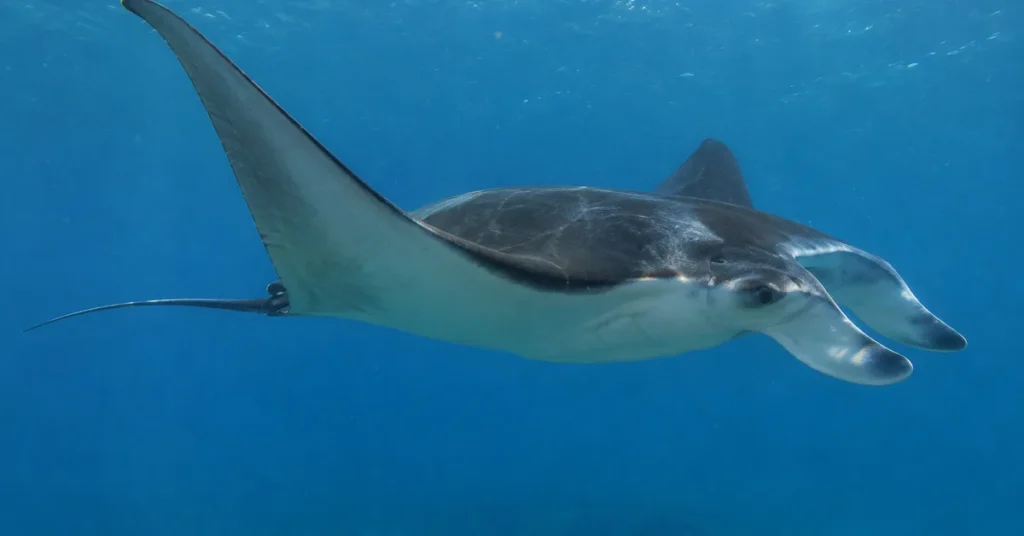
The Maldives and Indonesia offer possible encounters with manta rays and other rays, while hammerhead sharks and whales are common attractions in the Galápagos and Mexico.1 2 None of these is guaranteed on every voyage. Ask whether the itinerary describes a destination associated with an animal, a season considered suitable, or a route aimed at possible encounter areas.
If a particular animal is the main reason for traveling, ask how flexible the itinerary is and what happens when conditions change. Find out whether most of the voyage is devoted to seeking that encounter or whether it combines several types of dive site. A varied route may suit divers seeking a broader experience, while a focused trip may appeal to those willing to accept greater uncertainty around one objective.
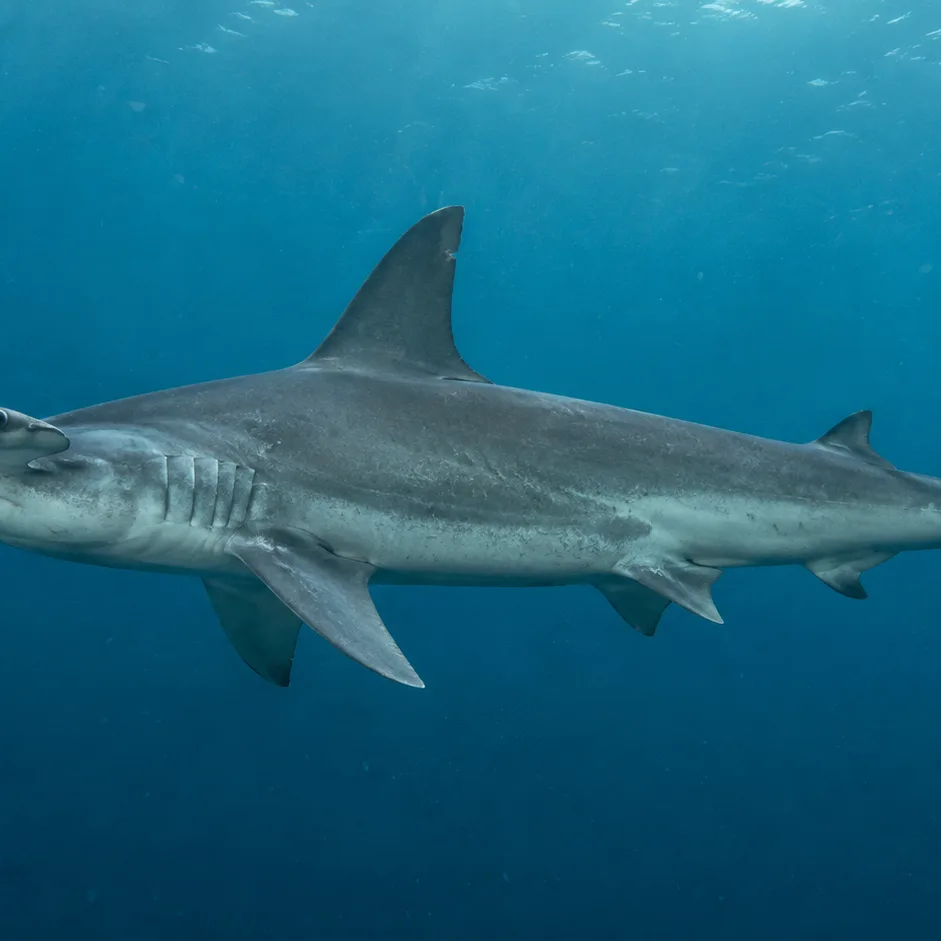
Photographers should also ask how groups are managed underwater and how much preparation time is normally available. Do not assume that a route featuring impressive wildlife is automatically convenient for photography. Sea conditions, group pace, and space limitations may affect suitability, so discuss them directly with the operator.
4. Check the vessel, groups and daily pace
The standard of accommodation does not by itself indicate the quality of the diving program. When comparing options, assess the itinerary, dive management, and life onboard separately. Ask what the price includes, which services cost extra, and what cancellation or amendment terms apply when weather affects the program.
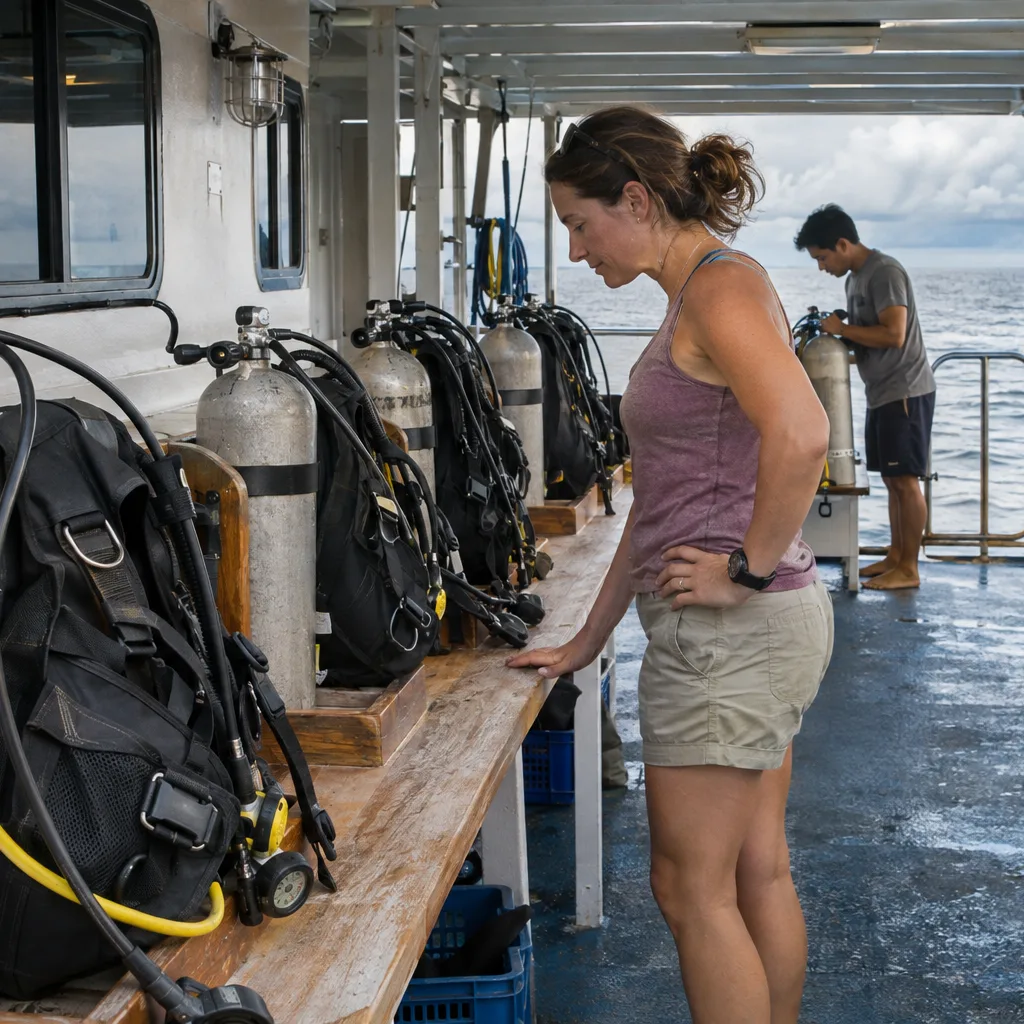
Group size is a personal consideration. Some divers enjoy a social atmosphere, while others prefer more space and quiet. Ask how divers are divided into groups, what the division is based on, and how different experience levels are accommodated. The goal is not to find a magic number, but to understand how the practical structure of the voyage will affect you.
5. Ask how dive decisions and safety are managed
Before booking, ask the operator to explain the itinerary requirements, briefings, emergency provisions, and procedures for changing or canceling a dive. Do not assume that a luxury vessel or famous destination guarantees a suitable professional setup. If an answer is unclear, request it in writing and compare it with the booking terms.
The decision to join a particular dive should reflect your training, experience, personal condition, and the conditions on the day. A general article cannot replace a local briefing, sound judgment, or appropriate training. If the itinerary requirements do not match your abilities, choose another route rather than expecting the situation to resolve itself during the voyage.
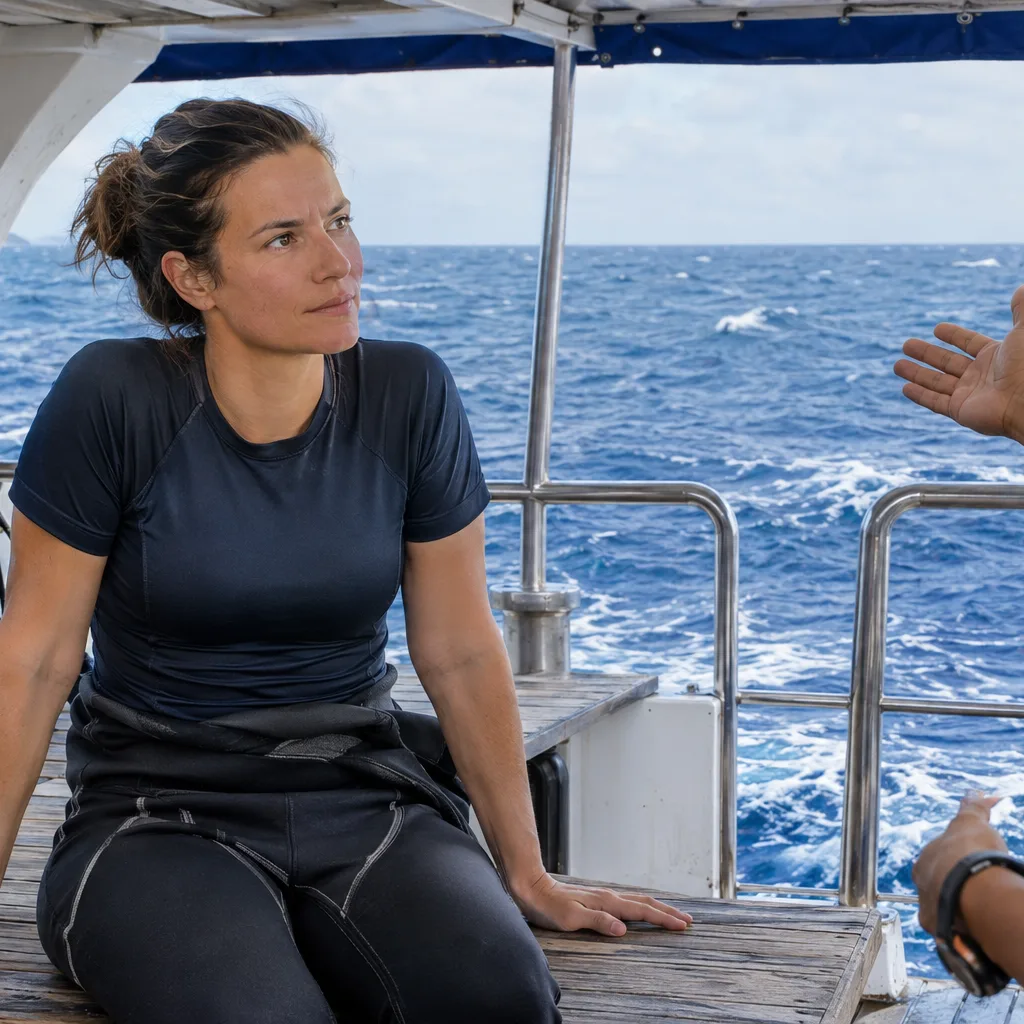
If you are comparing regional options, our North Sulawesi dive-planning guide uses the same questions about habitat, conditions and photography. Use the operator’s answers to compare actual dive sites, then return to your priority list before committing to a liveaboard itinerary.
Frequently asked questions
Should I Choose the Destination or the Itinerary First?
You can begin with whichever factor matters most, but before booking you should connect the destination, sea conditions, wildlife, and level of challenge. A destination name alone does not provide the full picture, so request a detailed program and participation requirements.
What Should I Ask Before Booking?
Request details about planned sites, possible sea conditions, experience requirements, group structure, activity pace, what the price includes, and what may change. If encountering a particular animal matters to you, ask how that possibility fits the itinerary and avoid treating it as a promise.
How Do I Choose Between Two Similar Itineraries?
Write a short priority list covering conditions in which you feel comfortable, the scenery and wildlife that interest you, your preferred pace, and the level of accommodation you want. Then compare both routes using the same questions. The right liveaboard itinerary is not necessarily the best-known or busiest one, but the option with the smallest gap between your expectations and its practical program.