On November 10, 2026, Divers Alert Network (DAN) published three resources intended to help divers and dive professionals better understand diving incidents and make more informed decisions in the water.1 These DAN diving safety resources include two editions of the Annual Diving Report and an updated risk assessment guide for dive operators and professionals.1 All three documents are available through the DAN Publication Library.1
On this page
The resources combine findings from diving incident research with practical safety guidance.1 According to DAN, their purpose is to turn lessons from real-world incidents into information that can help the diving community understand and manage risk more effectively.1
What to Know Before You Dive
DAN presents these publications as part of an effort that goes beyond responding to emergencies and also focuses on preventing injuries and incidents before they occur.1 The organization explains that studying diving incidents and fatalities may help prevent similar events when the resulting information reaches divers and dive professionals.1

For scuba divers, the main value of these resources is the opportunity to base safety thinking on documentation, analysis, and guidance shared with the diving community.1 The reports examine diver behavior, safety practices, contributing factors, injury mechanisms, and causes of death, while the guide focuses on identifying and reducing operational risks.1
Three New Diving Safety Resources Published in November 2026
DAN’s announcement covers three separate documents: the 2022 Annual Diving Report, the 2023 Annual Diving Report, and the third edition of the Risk Assessment Guide for Dive Operators and Dive Professionals.1 The two reports examine past incidents, while the guide offers a practical approach to recognizing operational risks, evaluating safety practices, and mitigating risk.1
The release does not describe a new equipment trial or promise that every diving incident can be prevented.1 Instead, it presents information and educational resources designed to share lessons from research and real-world incidents with the diving community.1

What the 2022 and 2023 Annual Reports Cover
The two new editions review diving incidents and fatalities from 2020 and 2021.1 These years represent two different periods during the COVID-19 pandemic: diving activity fell sharply in 2020 as travel restrictions and public health measures took effect, while 2021 saw a gradual return toward more typical activity as restrictions eased.1
The reports’ case studies offer insight into diver behavior and safety practices.1 Their expert analysis considers hazards, contributing factors, mechanisms of injury, and causes of death.1 The findings should therefore be read in the context of the particular years they describe rather than treated as a period-neutral snapshot.1
The reports also examine the role that pre-existing medical conditions may play in fatal diving incidents.1 DAN states that cardiac conditions remain a significant concern, underscoring the value of regular medical evaluations, particularly for divers older than 45.1

Other sections address physiological monitoring of freedivers, safety equipment used with closed-circuit rebreathers, and returning to diving after COVID-19 infection.1 These are distinct subjects and should each be read in relation to the activity, equipment, and conditions they address.1
The HIRA Guide and Operational Risk Assessment
The third resource is the third edition of the Risk Assessment Guide for Dive Operators and Dive Professionals.1 It forms part of DAN’s Hazard Identification and Risk Assessment (HIRA) program.1
According to DAN, the guide provides a tested approach to recognizing operational risks, evaluating safety practices, and mitigating risk.1 It is designed for dive organizations, operators, and professionals, helping them evaluate their operations, identify hazards before they lead to injury or loss, and take steps to reduce risk.1
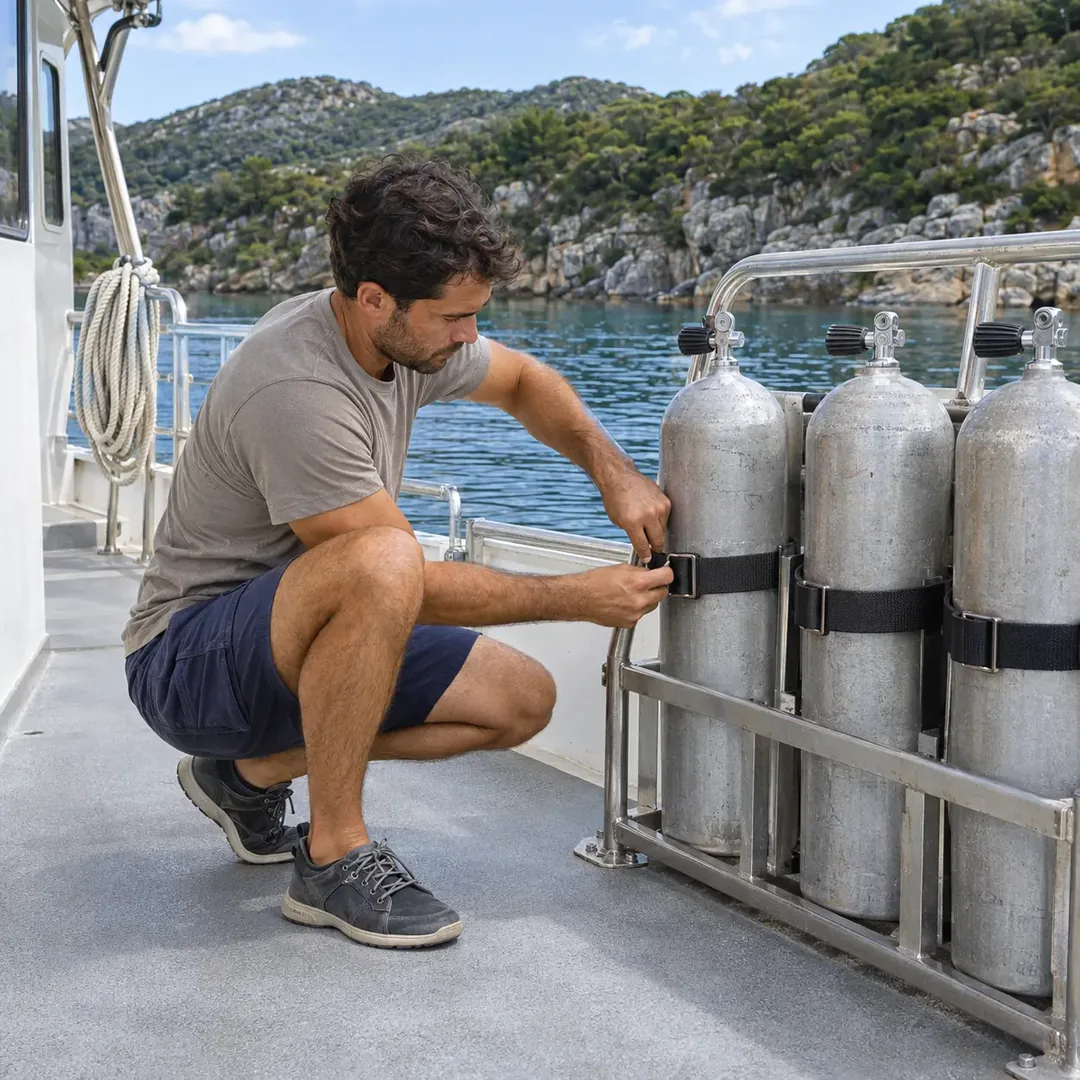
For recreational divers, this distinction matters: the reports provide insight from incidents and case studies, whereas the HIRA guide concentrates on the work of dive operators and professionals.1 DAN links stronger operational safety practices with better protection for dive-business employees and the divers who rely on their services.1
How to Access the New Publications
The reports and guide are available through the DAN Publication Library.1 To find the reports, DAN instructs readers to select Annual Diving Reports, choose the 2022 or 2023 edition, and then select Request Document.1
For the updated guide, readers should select Risk Mitigation, choose HIRA Guide 3rd Edition 2026, and then select Request Document.1 This access route also reflects the difference between incident analysis in the reports and operational risk assessment in the guide.1
Safety and Responsibility in the Water
The publications are intended to support risk awareness and informed decision-making; DAN does not present them as substitutes for training or as guarantees of accident-free diving.1 DAN describes them as a way to deliver data and practical guidance to divers and professionals so lessons from incident research reach the diving community.1
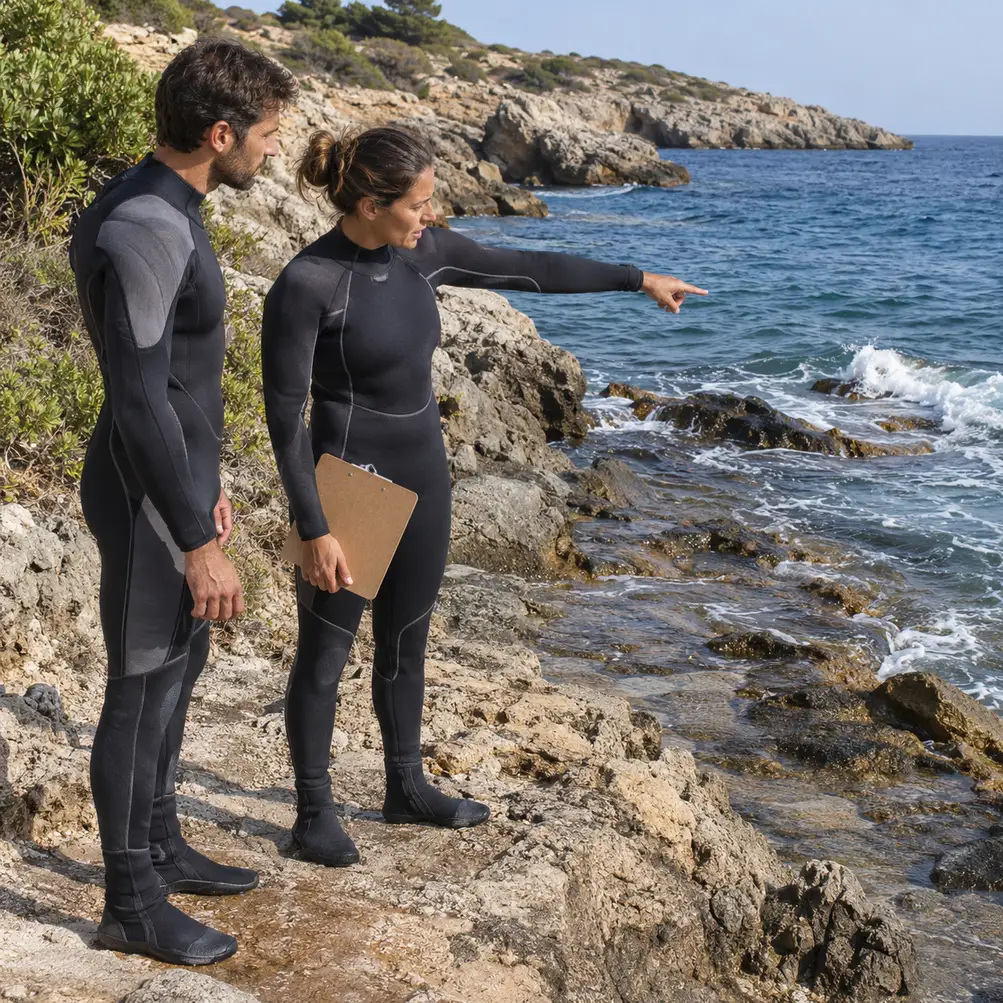
Their value also lies in distinguishing between types of information: case studies help readers examine behavior and safety practices, expert analysis identifies hazards and contributing factors, and the HIRA guide addresses how organizations can identify and mitigate operational risks.1 Reading each document according to its purpose keeps the findings within the context in which DAN published them.1
Frequently Asked Questions
What new resources did DAN publish?
DAN published the 2022 and 2023 editions of the Annual Diving Report and the third edition of the Risk Assessment Guide for Dive Operators and Dive Professionals.1
Which years do the new reports cover?
The reports review incidents and fatalities from 2020 and 2021, two distinct periods during the COVID-19 pandemic.1
Who is the HIRA guide intended for?
The guide is intended for dive operators and professionals and presents an approach to identifying operational risks, evaluating safety practices, and mitigating risk.1