
Three diving mistakes can make early dives harder than they need to be: skipping equipment checks, struggling to hold depth and following a plan you do not understand. This guide explains the habits that address each one. The aim is to spend less attention on avoidable problems and more on the marine life around you.
On this page
Recognize Diving Mistakes Before They Become Habits
Your first dives bring unfamiliar sensations: weightlessness, open blue water and animals moving around the reef. It is natural to have plenty to think about. Diving takes practice, and knowing what to work on gives that practice a purpose.
These three problems appear at different stages. Equipment checks happen before entry, buoyancy needs attention in the water, and the dive plan connects preparation with decisions throughout the dive. Treating them as linked habits makes the advice easier to use.
1. Complete the Buddy Check Before Entry
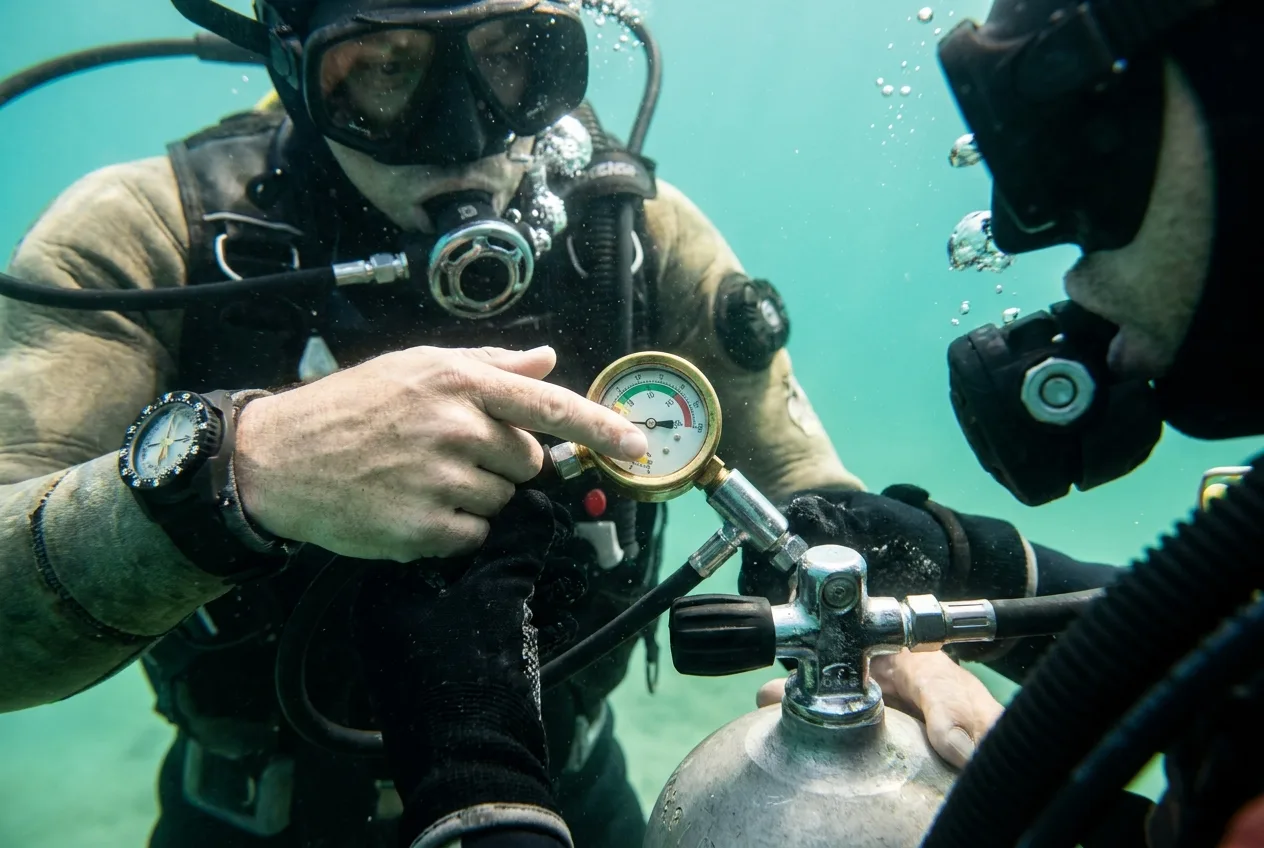
Excitement can make both new and experienced divers rush. A buddy check gives you and your partner a chance to inspect the equipment you will rely on underwater. It is also known as BWRAF, or Begin With Review And Friend.
Work through the equipment together rather than assuming everything is ready because it has been assembled. Check the following:
- The regulator works.
- The buoyancy compensator inflates and functions correctly.
- Weights are secure.
- Buckles are fastened.
- The tank valve is fully open.
These checks address equipment problems while you are still at the surface. The PADI pre-dive safety check guide provides more detail. Make the buddy check part of getting ready, even when everyone is eager to enter.
2. Use Small Adjustments to Hold Depth
Repeated rises and drops are tiring. Extra arm and leg movements use air and can put fragile coral at risk. Better buoyancy leaves you with more attention for your surroundings and helps you observe without disturbing the reef.
Use breathing for fine adjustments: inhaling makes you rise slightly, while exhaling lets you sink. Make small changes with the buoyancy compensator rather than relying on large movements. The useful skill is steady control, not constant correction.
That control matters when you stop to look closely. A twoband anemonefish in its host anemone is a good example of a subject to watch without disturbing the animal or the habitat around it.
If holding depth remains difficult, read our guide to neutral buoyancy and steady depth. Buoyancy is one of the diving mistakes worth addressing through patient practice, because the benefits continue throughout every dive.

3. Understand the Plan You Are Following
Relying on an instructor or an experienced group member does not replace understanding the plan yourself. Before entering, agree on maximum depth, bottom time, the air needed for the return and the signals you will use with your buddy.
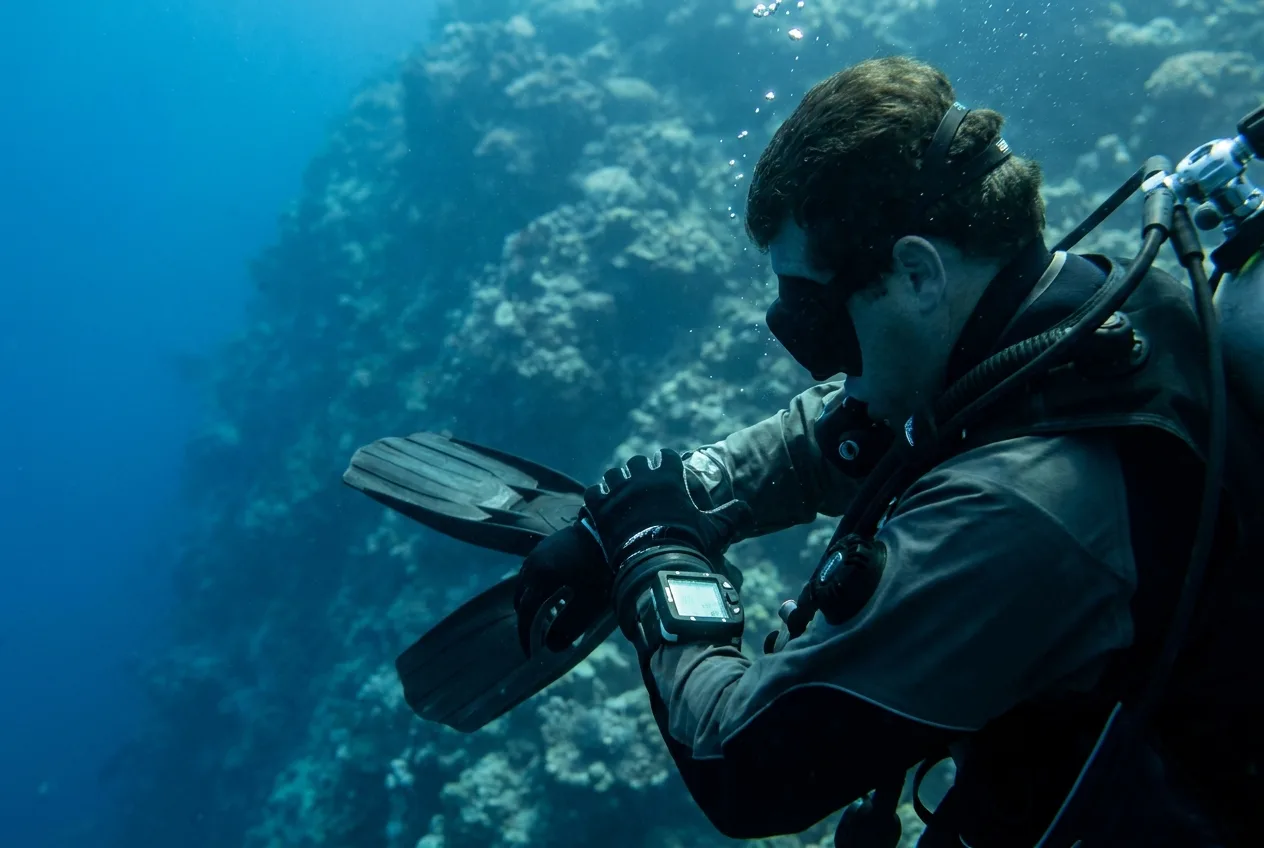
Keep checking depth and remaining air during the dive. A dive computer is useful only when you understand what its readings mean. Knowing the agreed hand signals also helps you communicate instead of leaving your buddy to guess.
Ignoring the plan can lead to uncertainty and stress. Asking questions during preparation gives you a clearer picture of the dive before you are occupied with equipment, breathing and unfamiliar surroundings.
Keep Learning with Each Dive
Every experienced diver began by learning these skills. Recognize the diving mistakes that affect you, practice the relevant habits and ask for help when you need it. A completed buddy check, steadier buoyancy and an understood plan are concrete goals to carry into your next dive.
Find more learning material on the 2DIVE diving blog, or contact 2DIVE with questions about the articles.