This guide to Mediterranean sharks introduces eight species or groups, explains where they live, and sets out how divers can observe them responsibly. Encounters are relatively uncommon, and the animals range from open-water swimmers to species rarely seen in deep water. Knowing their differences makes a sighting more meaningful and helps put conservation concerns in context.
On this page
Mediterranean Sharks: Eight Species and Groups
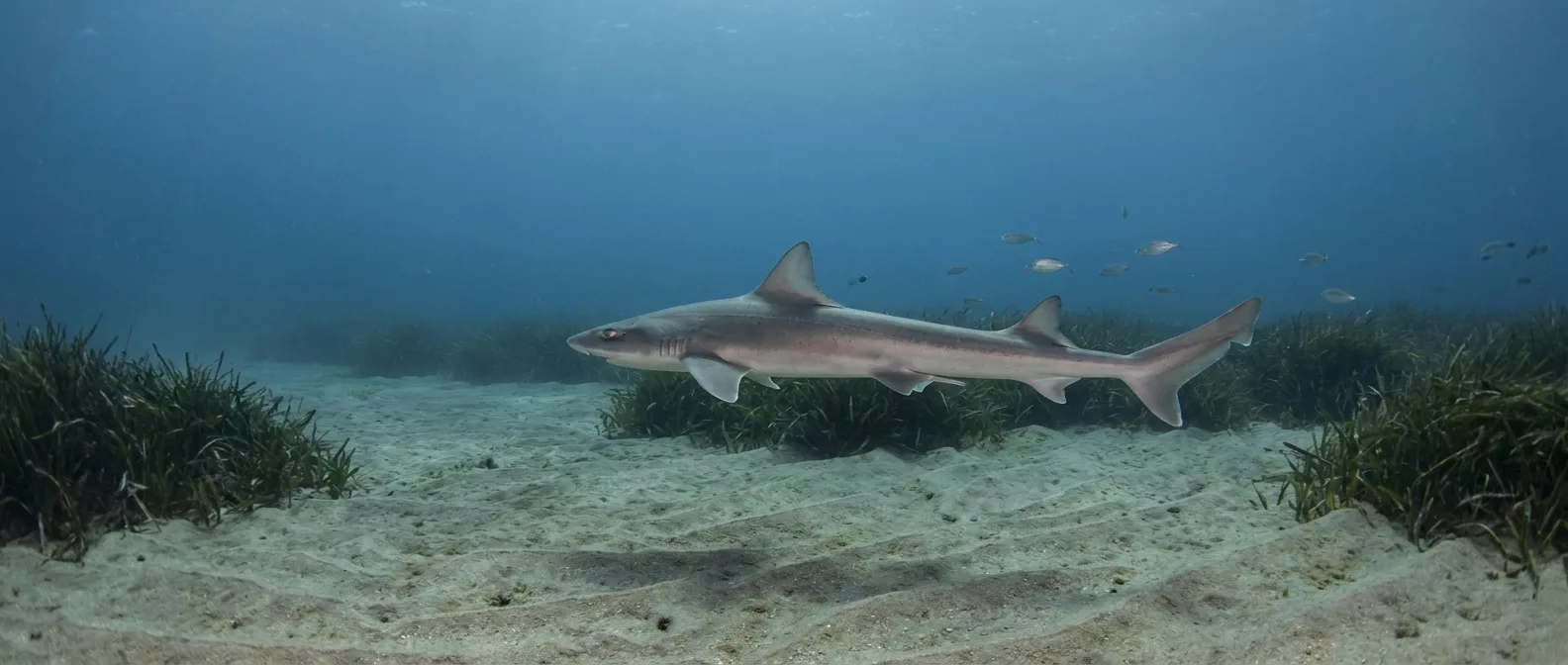
The great white may be the most familiar name, but Mediterranean sharks include animals with very different shapes and habitats. The species below illustrate that range. They are an introduction to the sea’s shark life, rather than a promise of what you will see on a dive.
- Great white shark (Carcharodon carcharias): One of the largest and best-known sharks. Sightings are rare, but it occurs in parts of the eastern Mediterranean.
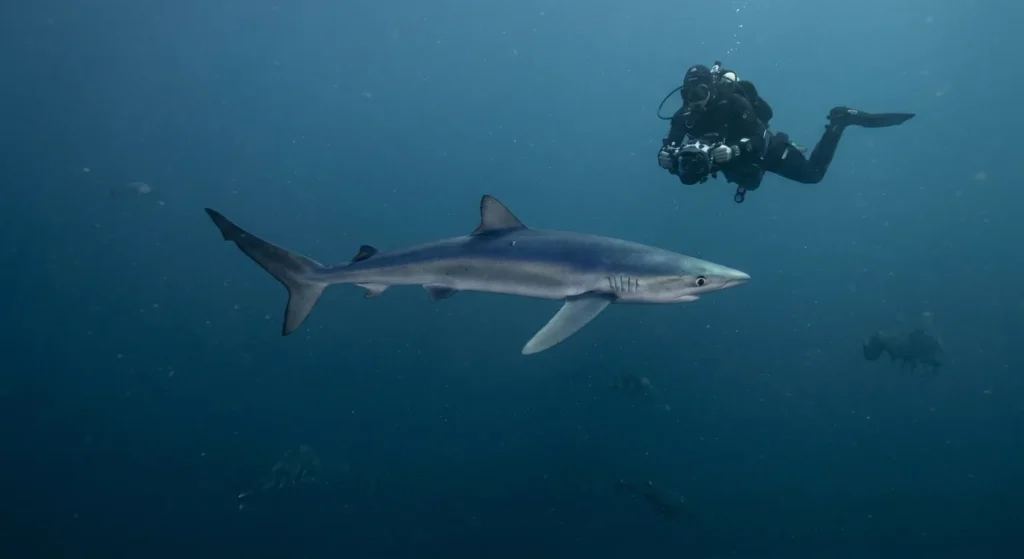
- Blue shark (Prionace glauca): More common than the great white, this open-water shark occupies a range of depths.
- Dusky shark (Carcharhinus obscurus): One of the species documented in the seasonal aggregation off Hadera.
- Sandbar shark (Carcharhinus plumbeus): Also recorded in that seasonal gathering, alongside dusky sharks.
- Hammerhead sharks (Sphyrna spp.): A group recognized by the distinctive head shape that helps these animals sense their surroundings.
- Angular roughshark (Oxynotus centrina): A deep-water species that divers rarely see.
- Kitefin shark (Dalatias licha): Another shark associated with greater depths.
- Sand tiger shark (Carcharias taurus): A species that sometimes appears in shallow coastal water.
Habitats, Depths and Seasonal Movement
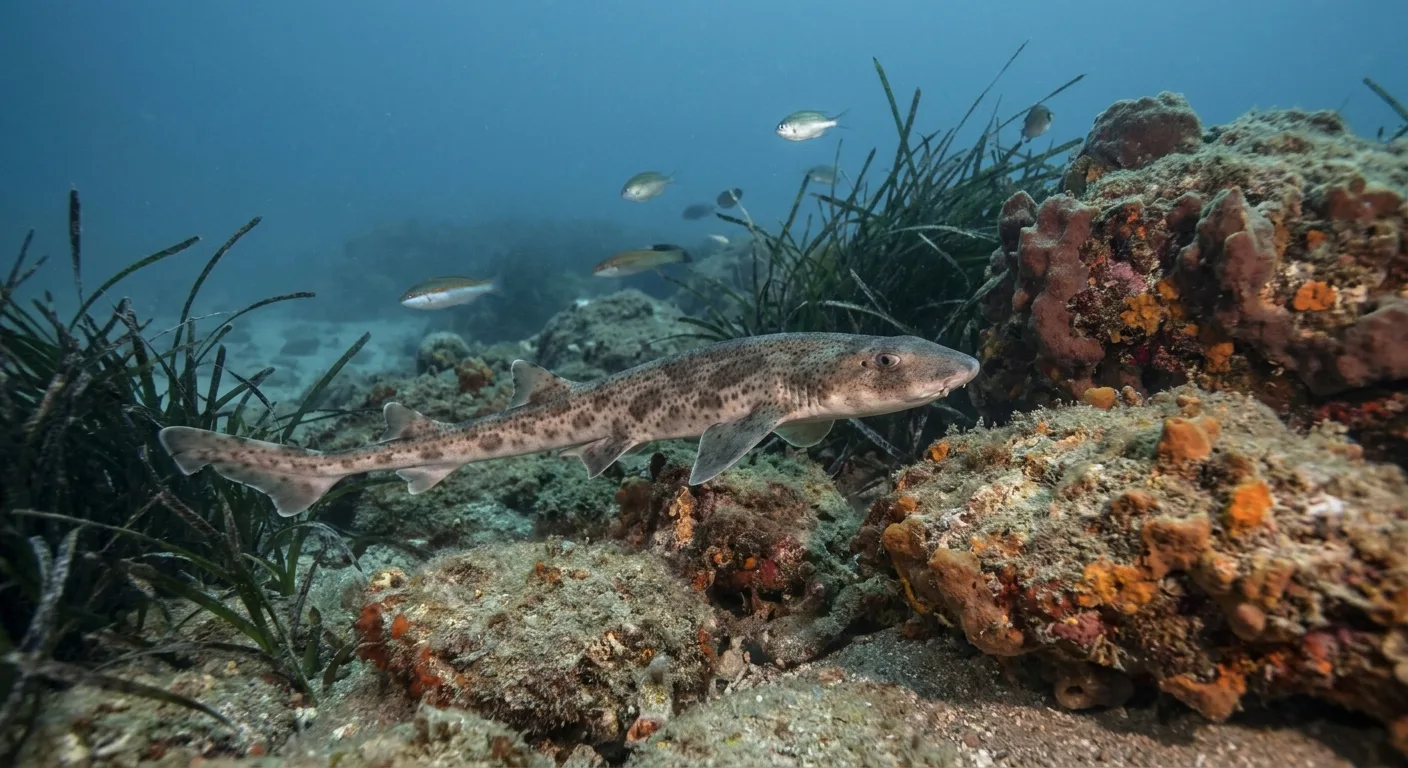
Mediterranean sharks use rocky reefs, sandy seabeds and deep water, including areas with strong currents. Some remain close to shore; others live farther out. Temperature preferences and seasonal movements differ by species, so a single description of shark habitat would miss much of the picture.
Blue sharks are often found in open water, but encounter depth varies with sea conditions. At Hadera, sharks gather near the power station’s warm-water outflow in winter. That documented aggregation describes animal behavior; it does not establish that entering the water is appropriate.
There is no universal best depth for seeing sharks. Stay within your training and dive plan rather than going deeper to search for one. Nor is there a single peak season across the Mediterranean: a local pattern cannot stand in for the whole sea.
Behavior, Diet and Conservation Pressures
Diets and activity patterns vary among Mediterranean sharks. These are wild animals, and their reactions are unpredictable. An animal that appears calm is not giving a diver permission to approach, and it should not be assumed to react only when threatened.
Sharks help regulate populations of weak and sick fish. Losing them can affect the wider food web, which is why conservation concerns extend beyond the fate of individual species. Overfishing has sharply reduced many populations.
IUCN reports that some Mediterranean shark species face extinction. Illegal fishing, plastic pollution and warming water that changes food webs add to the pressure. These threats make conservation a practical concern for anyone who cares about the places they dive.
The same respect for wildlife applies beyond sharks. Our guide to five marine animals to admire without touching explains why other animals also need space.
Observation Starts with Site Restrictions
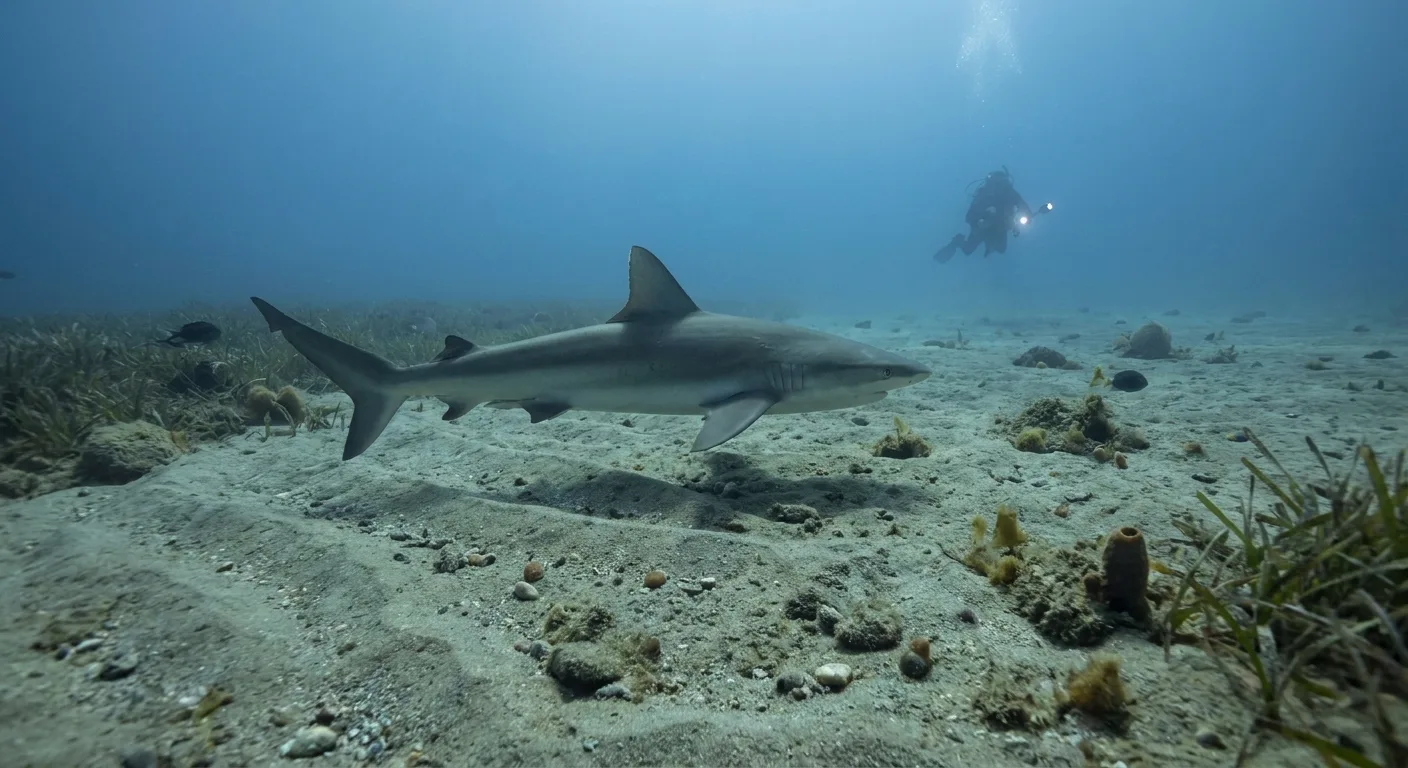
Before considering a dive around Mediterranean sharks, check local restrictions. Where access is permitted, follow your guide’s instructions, keep your distance and never feed, touch or pursue an animal. A guide, training and equipment do not remove the hazards of a site.
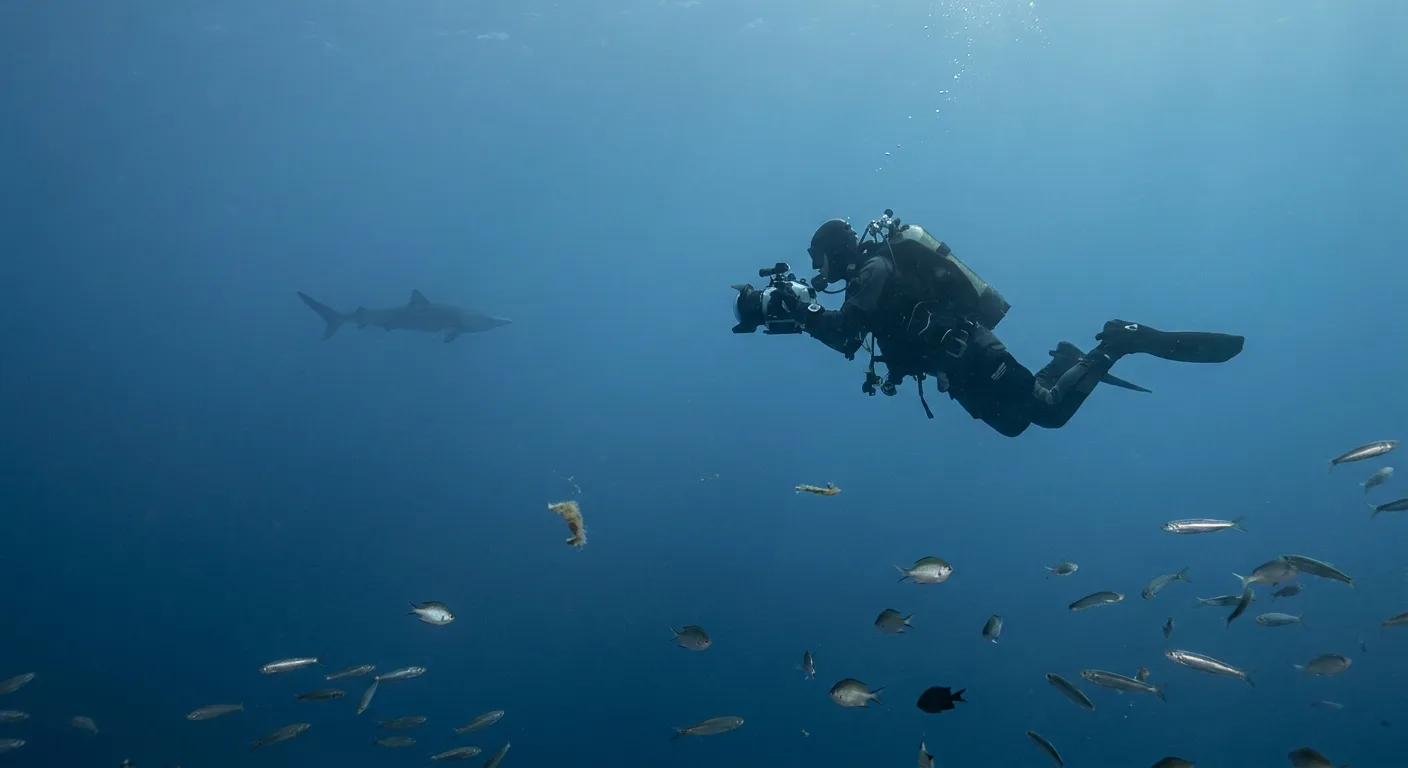
Photography follows the same rules. Take pictures only where access and photography are allowed. Do not approach, feed or disturb a shark to improve a composition. The chance of a photograph does not change the conditions or the restrictions.
Where Sightings Fit into a Dive Plan
Location and species shape the likelihood of a sighting. Hadera’s winter aggregation is well documented, but it is not a reason to enter the water there. Observe from shore where possible and follow local guidance. The Red Sea has a different marine community, so experiences there should not be treated as a guide to Mediterranean sharks.
Keep the type of dive in mind as well as the wildlife you hope to see. For a separate introduction to diving after dark, read our night diving guide.
Maintain Awareness Throughout the Dive
Check equipment before entering, dive with others and keep the ascent slow. If you see a shark, stay calm, avoid sudden flight and report the sighting to local authorities. Awareness of the animal belongs alongside awareness of your dive, rather than replacing it.
Conditions deserve attention even when wildlife holds your interest. Read our guide to diving in currents for that part of preparation. For another view of how marine organisms depend on one another, explore partnerships on coral reefs.
Equipment for the Conditions
Basic equipment includes a suit suited to the water temperature, a buoyancy compensator, a working regulator and a dive computer. Check each item before entering. Experienced divers also recommend a reliable compass for navigation.
Equipment is part of preparation, not a reason to overlook access rules. The question is not simply whether you have the gear, but whether the site permits the dive and whether it fits your training and plan.
Conservation Actions Divers Can Take
Reporting sightings and keeping the sea clean are ways divers can contribute. Reduce single-use plastics and support conservation organizations. IUCN monitors populations and publishes information on their status.
Learning to recognize Mediterranean sharks also makes conservation less abstract. The rarely seen deep-water species belong in that picture alongside the animals most likely to appear in photographs. A species does not need to be familiar to deserve attention.
Frequently asked questions
Are shark encounters safe if a guide is present?
Encounters can be dangerous and unpredictable. Supervision does not override site restrictions or remove hazards. Follow local rules and the guide’s instructions, and keep your distance.
Should I change depth to find a shark?
No. There is no universal best depth for sightings. Stay within your training and agreed plan; seeing an animal is not a reason to go deeper.
How can divers support conservation?
Report sightings, keep the sea clean, reduce single-use plastics and support conservation organizations. IUCN publishes information on shark populations and the pressures they face.
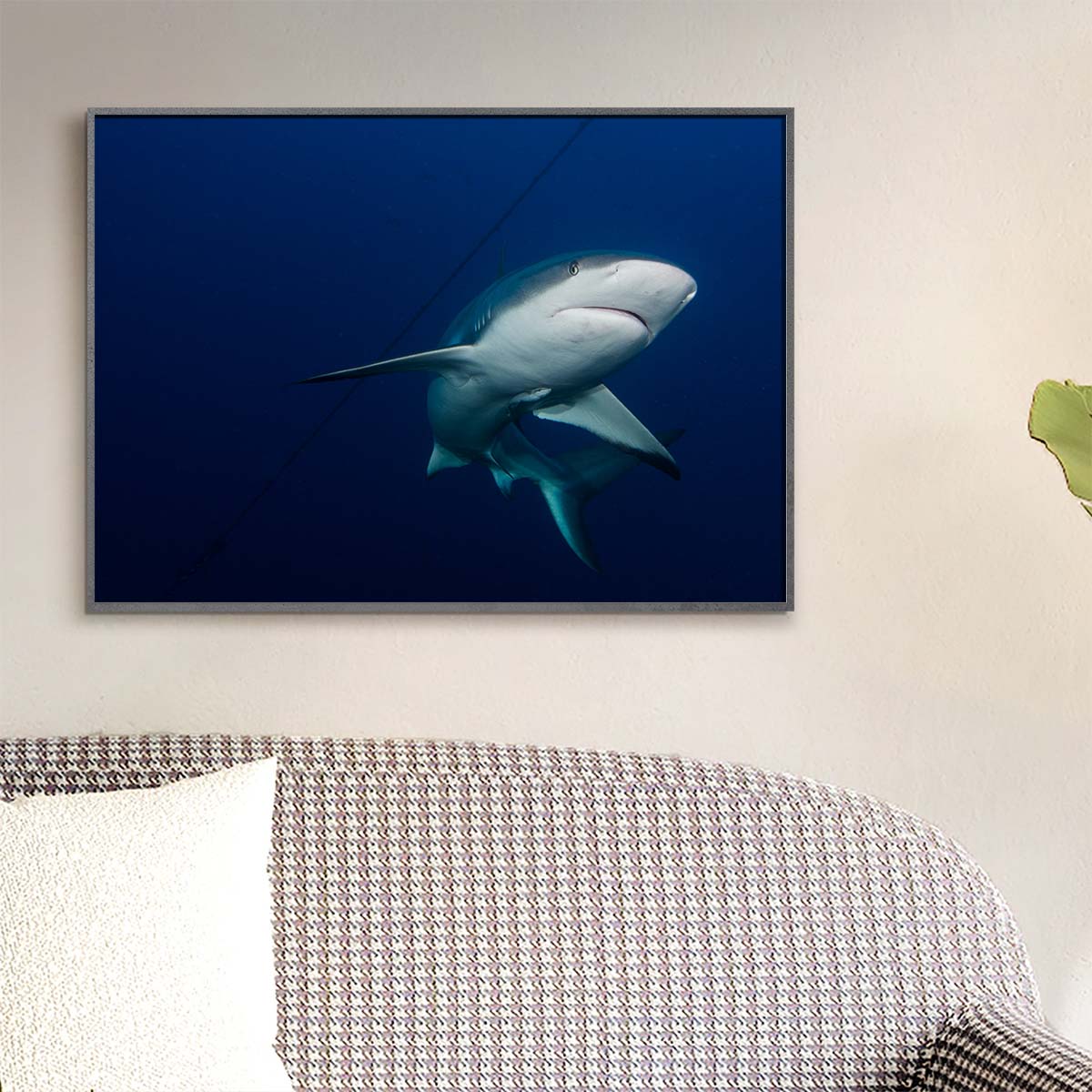
Read Cobi Hay Yacobi’s story, or return to 2DIVE. The photography gallery includes the Caribbean reef shark print pictured below, a separate subject from the Mediterranean species discussed here.