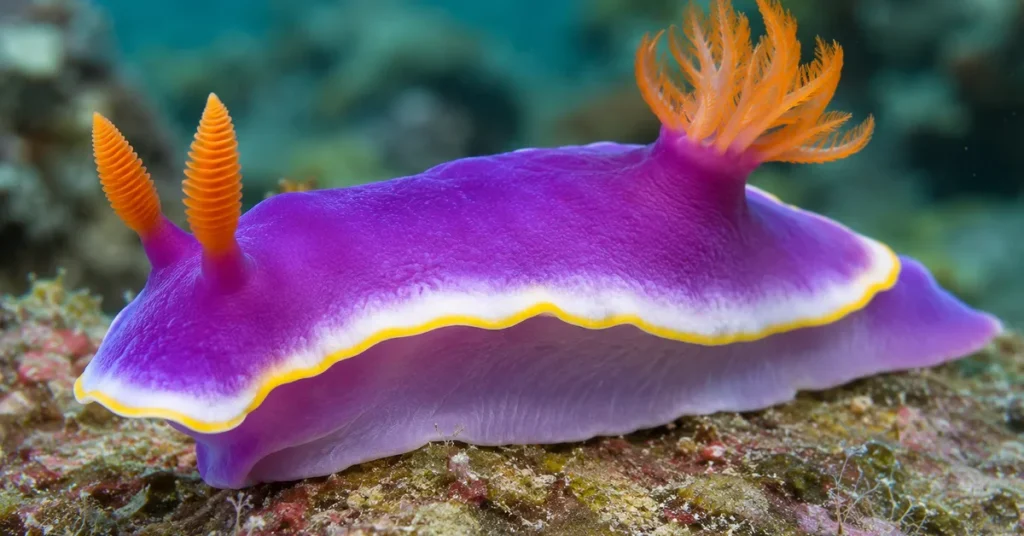
Sea slugs can turn a small search into the focus of an entire dive. In this case, however, it is important to begin with a clear limitation: the sources reviewed for this article did not provide sufficient verification of the biological definition, the reasons behind their colors, or reliable observation sites. This guide therefore does not predict which sea slug you will encounter. Instead, it helps you prepare for a careful search and ask the right questions.
On this page
What to Know Before the Dive
Before entering the water, ask a local guide which sea slugs have recently been identified in the area and where along the route they were seen. A previous sighting does not guarantee another one, so treat this information as a starting point rather than a promise. If you are looking for a particular yellow sea slug, carrying a photograph or an exact name can help prevent confusion with another animal.
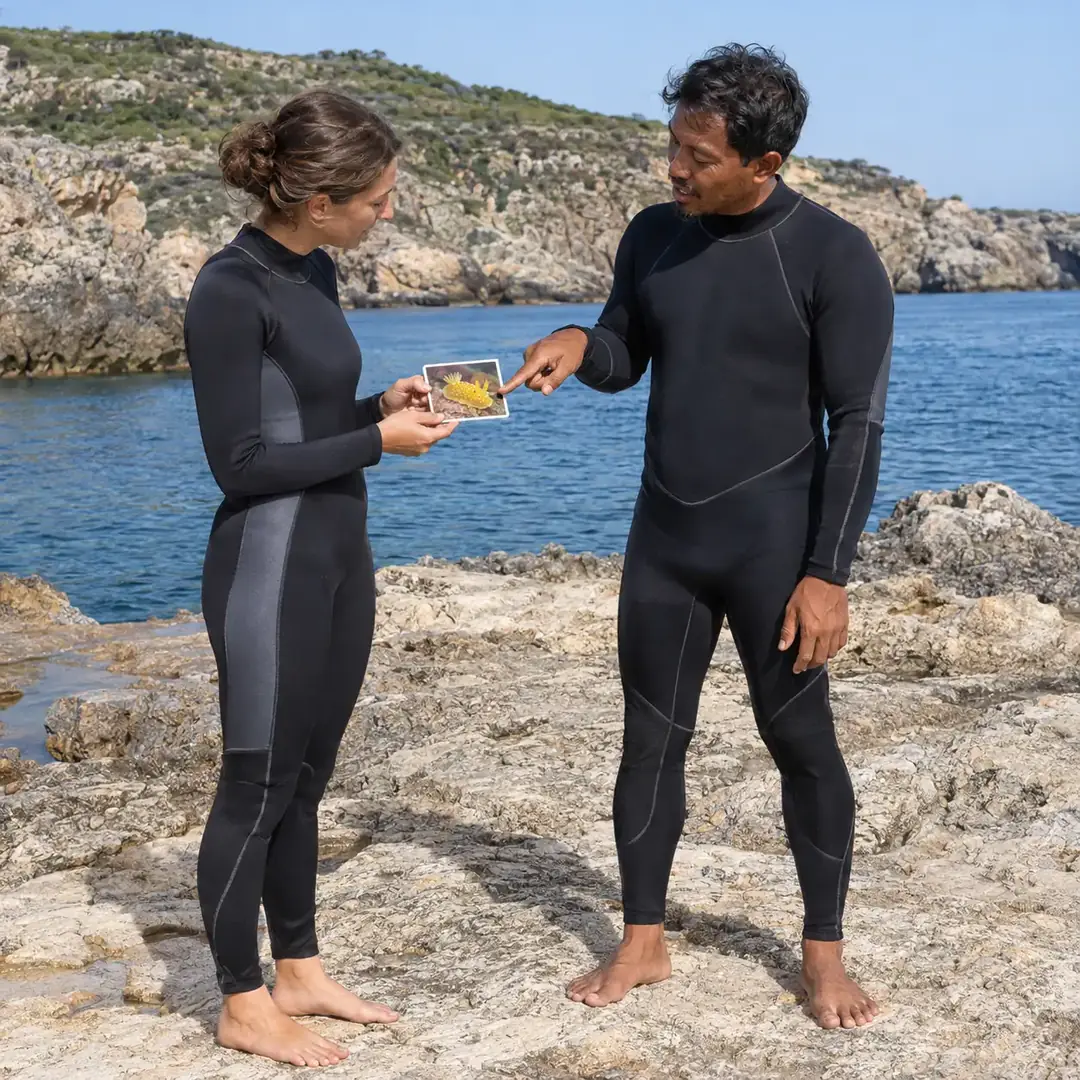
The phrase “sea slug” may also be used casually for different marine creatures. Without reliable identification, there is no reason to assign a species, defense mechanism, or explanation for its colors to an animal you find. Clear photographs from several angles, taken without moving the animal, can support identification after the dive.
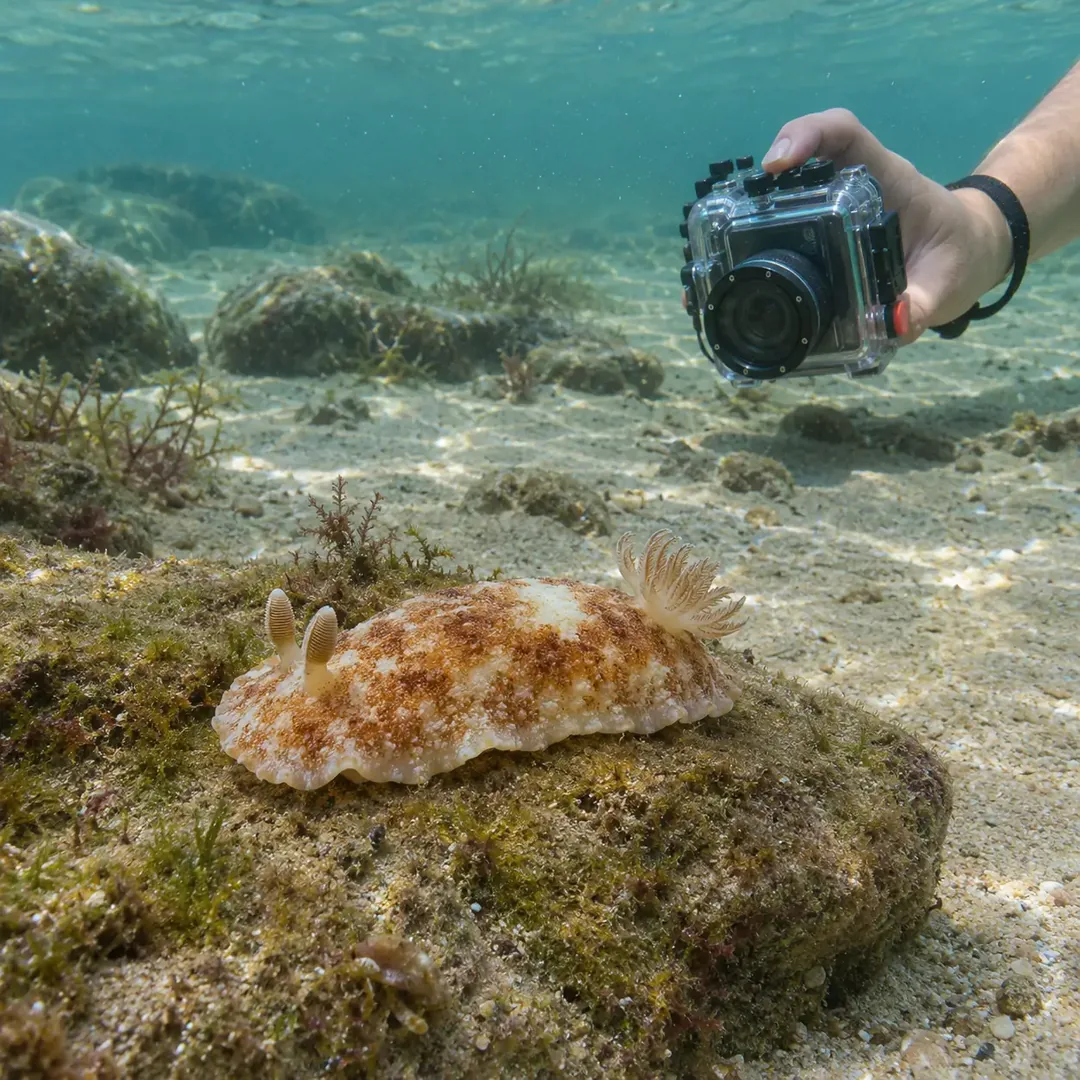
Practical Steps for Finding Sea Slugs
Plan a pace that leaves time to examine small details while maintaining the dive plan and staying connected with your buddy. Rather than scanning a large area quickly, select a small part of the route and observe it carefully. If the search distracts you from depth, gas, surroundings, or the group, stop searching and return your attention to managing the dive.
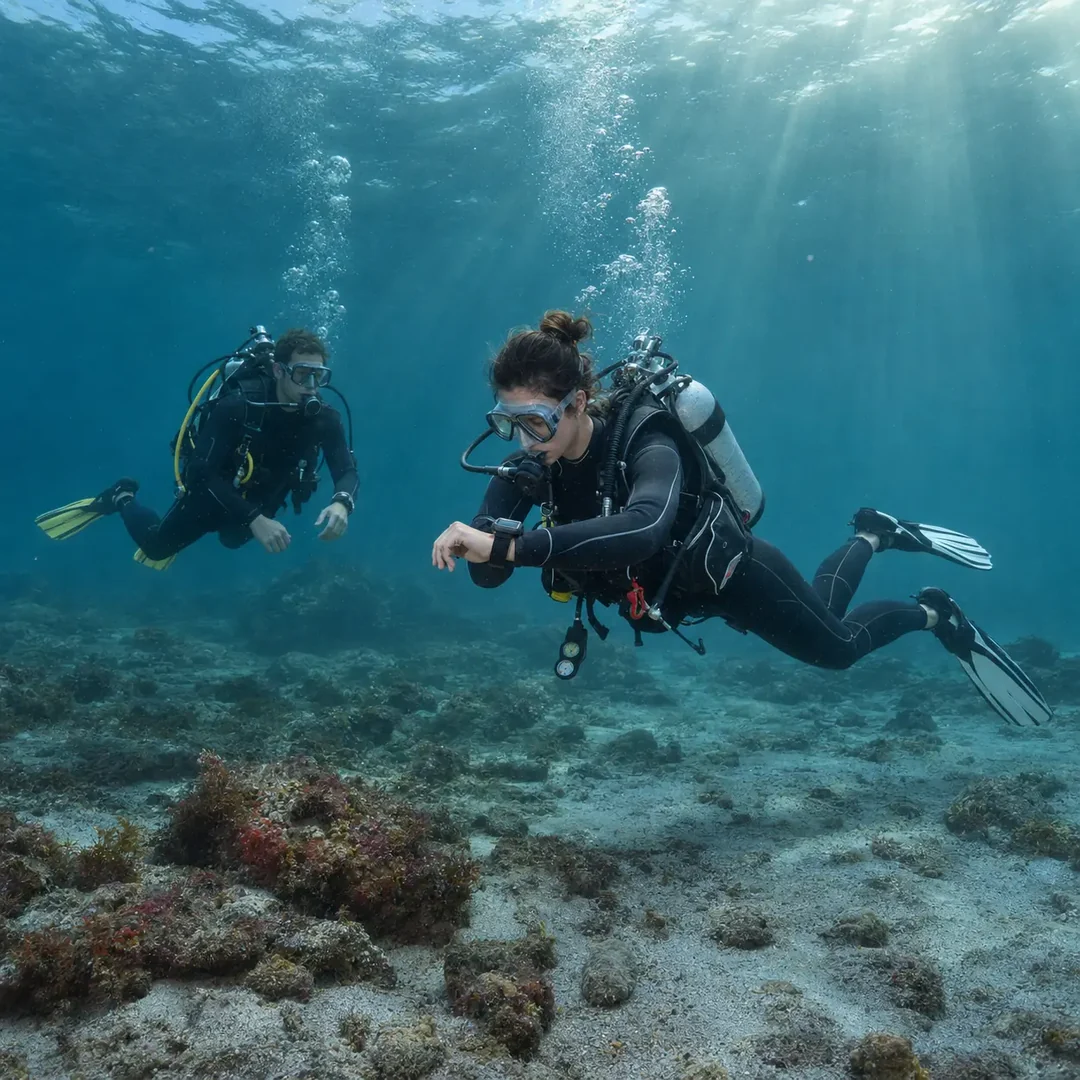
A guide familiar with the site may help choose a search route suited to the conditions that day. Ask where divers may approach, which site restrictions apply, and how to observe without making contact. Do not touch, move, or reposition sea slugs for a photograph. If the angle does not work, let the picture go.
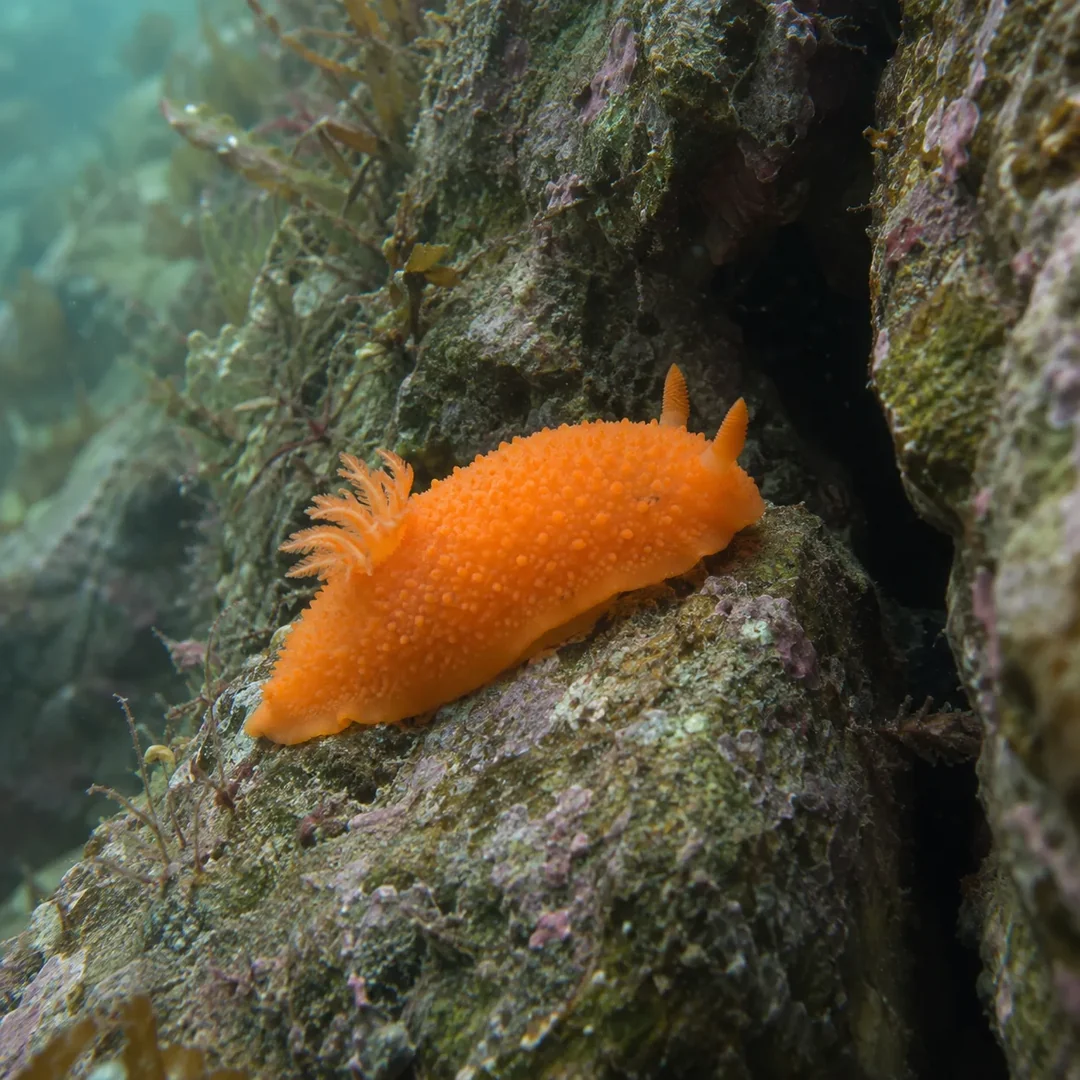
Why Their Colors Still Require Careful Interpretation
It is easy to suggest explanations for vivid colors, but without verified evidence, a particular animal’s coloration cannot confidently be attributed to camouflage, warning signals, body structure, or another cause. Spots and shades alone are also insufficient for a reliable identification. Record the color, shape, surroundings, and estimated size, then compare your observations with a trusted identification guide or consult an expert.
This approach may sound less decisive, but it leaves room for genuine discovery. On your next dive, the search for sea slugs can begin not with a predetermined name, but with patient observation, careful documentation, and the decision to leave the animal exactly where you found it.