Become a better diver by understanding what currents, wrecks, cold water and caverns ask of your existing skills. Certification gives you a foundation; gradual experience in different conditions helps you recognize where preparation, equipment use and comfort need attention. The aim is to choose a useful next step with appropriate training, rather than chase the hardest dive available.1
On this page
Each environment puts a different skill in the foreground. Current makes planning and navigation more demanding. A wreck asks you to pay close attention to position and layout. Cold water changes equipment and comfort, while caverns add an overhead setting. Becoming a better diver means recognizing those differences early enough to prepare for them.1
Become a better diver by choosing a useful next step
A useful next dive begins with a clear question: what will be different from the diving I already know? The answer may involve equipment, preparation or the way you move through the site. Recognizing that change gives your training a purpose and helps you discuss the dive with the people guiding your development.1
Choose the environment and the learning together. Specialty training and gradual experience give you a route into unfamiliar conditions; a challenging site does not provide that preparation by itself. You do not need to attempt every type of dive to become a better diver. You need to understand what your next step requires.1
1. Currents: planning and navigation
Current can make many parts of a dive more demanding, including entries, exits, physical effort, navigation and maintaining position underwater.1 Appropriate exposure to current can therefore sharpen dive planning and the skills divers use while in the water.1
Learning to read current and work with it can build confidence, provided the conditions fit your experience. Notice how current changes the plan, the route and the effort involved. Training gives those observations a practical setting. Simply arriving at a site with moving water does not establish that you are ready to manage it.1
2. Wrecks: buoyancy and awareness
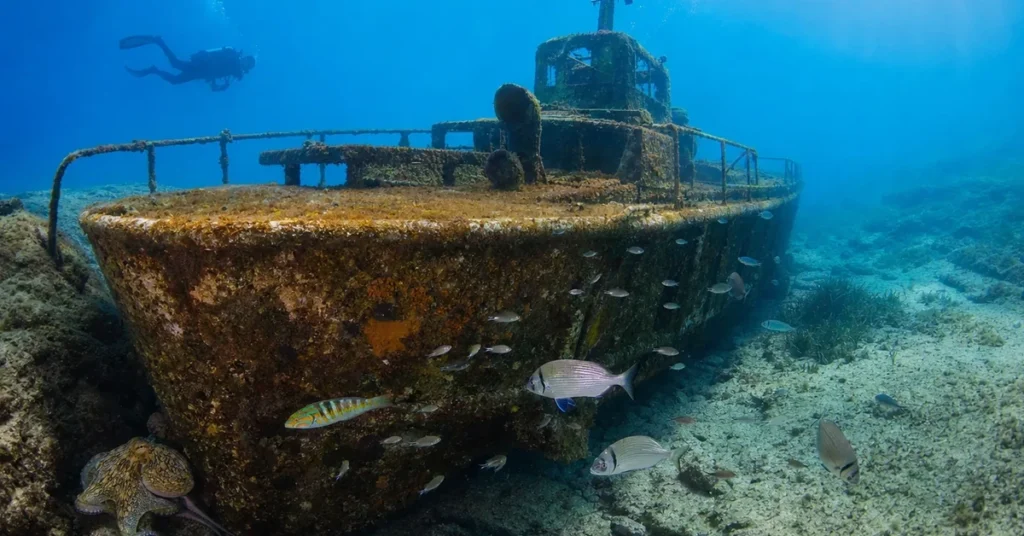
Diving a wreck is a different experience from diving an open reef.1 An unfamiliar layout, darkness, confined spaces and swim-throughs can test buoyancy control, navigation and awareness of what is happening around the diver.1
Observing a wreck from outside still asks you to track its layout and your own position. The shift from an open reef to a recognizable structure gives those skills a different focus. That is useful experience for a better diver, even when entering the vessel is not part of the plan.1
Viewing a hull and entering a wreck are different choices. Darkness, confined spaces and swim-throughs add demands that need dedicated wreck-diving training. Decide what the route includes before treating a wreck as your next learning step. An appealing photograph of the inside tells you little about whether that route suits you.1
3. Cold water: equipment and adaptability
Cold water can introduce different environments and marine life, together with equipment you may not know from warm-water diving. That combination makes adaptability part of the learning. Consider the environment and equipment together, rather than expecting familiar routines to transfer unchanged. Appropriate training helps you work through what is new.1
Changing from a wetsuit to a dry suit affects how a diver manages buoyancy, equipment and thermal protection.1 Cold-water diving is therefore not merely the same dive at a lower temperature, but an environment with different demands that calls for appropriate learning.1
4. Caverns: light, trim and the overhead setting
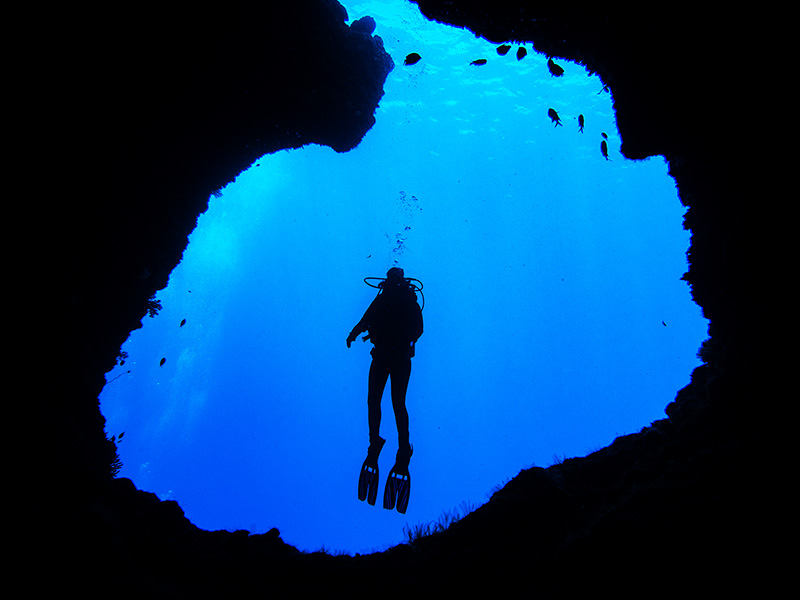
Cavern diving here means diving within the natural-light zone. It is discussed separately from full cave diving and alongside dedicated training. Buoyancy, trim, navigation and awareness all matter in this setting. The visual experience may be different from open water, but the overhead environment also changes what the diver needs to understand.1
Treat that distinction as part of the plan, not as a detail to settle underwater. A cavern route is an overhead dive, even within the natural-light zone. Training and suitable experience belong before the attempt. The appeal of the light and rock formations should sit alongside an honest assessment of what the route demands.1
Choose the next environment with care
A better diver chooses conditions that match training and experience. Strong currents, for example, are more appropriate for experienced divers. Apply the same thought to a new wreck, a dry suit or a cavern: identify the demand and the preparation needed to meet it, rather than using the unfamiliar setting as a test of confidence.1
When a destination offers several kinds of dive, ask how the operator matches sites to experience. Our guide to choosing a liveaboard itinerary develops that comparison through conditions, wildlife and pace. The useful choice is one that gives your next lesson a suitable setting and leaves room to change the plan.1
The goal is a broader range of familiar conditions, built gradually. Current, wrecks, cold water and caverns each put different skills to work. Decide which lesson matters to you now, discuss the appropriate training and choose a setting that fits. That is a practical way to become a better diver without treating difficulty as an achievement in itself.1