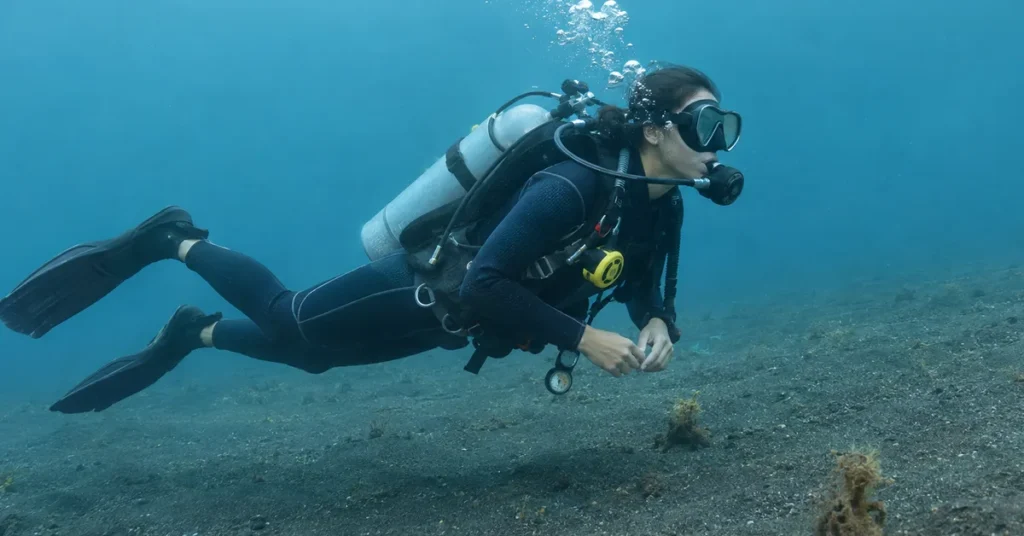
Compare North Sulawesi dive options by starting with Lembeh’s small marine life, then asking specific questions about Bunaken and Bangka. Habitat, sea conditions and your experience matter as much as the animals you hope to photograph. Here you can check the reported Lembeh conditions and build a practical comparison for all three areas before booking.
On this page
Use the same questions for each part of North Sulawesi. Ask what the planned dives involve, what conditions may change the schedule and how much time you will have underwater. The Lembeh details below come from the PADI guide cited at the end. For Bunaken and Bangka, build your comparison from a local operator’s description of the actual sites and dates you are considering.
Start your North Sulawesi comparison with the dive plan
Start by defining the experience you want. Is your main goal photographing small marine animals, viewing broad underwater scenery, or following an itinerary that combines several kinds of dive sites? Then check the conditions expected at each site during your travel dates, rather than relying only on a general description of the region.
Ask the dive center for current information about currents, waves, visibility, depths, water entry and boat journey times. Also find out how sites are selected each day, whether groups are divided by experience, and what happens when conditions do not suit the original plan. Focused answers will tell you more about whether an area suits you than a broad marketing description.
Lembeh: small marine life and patient photography
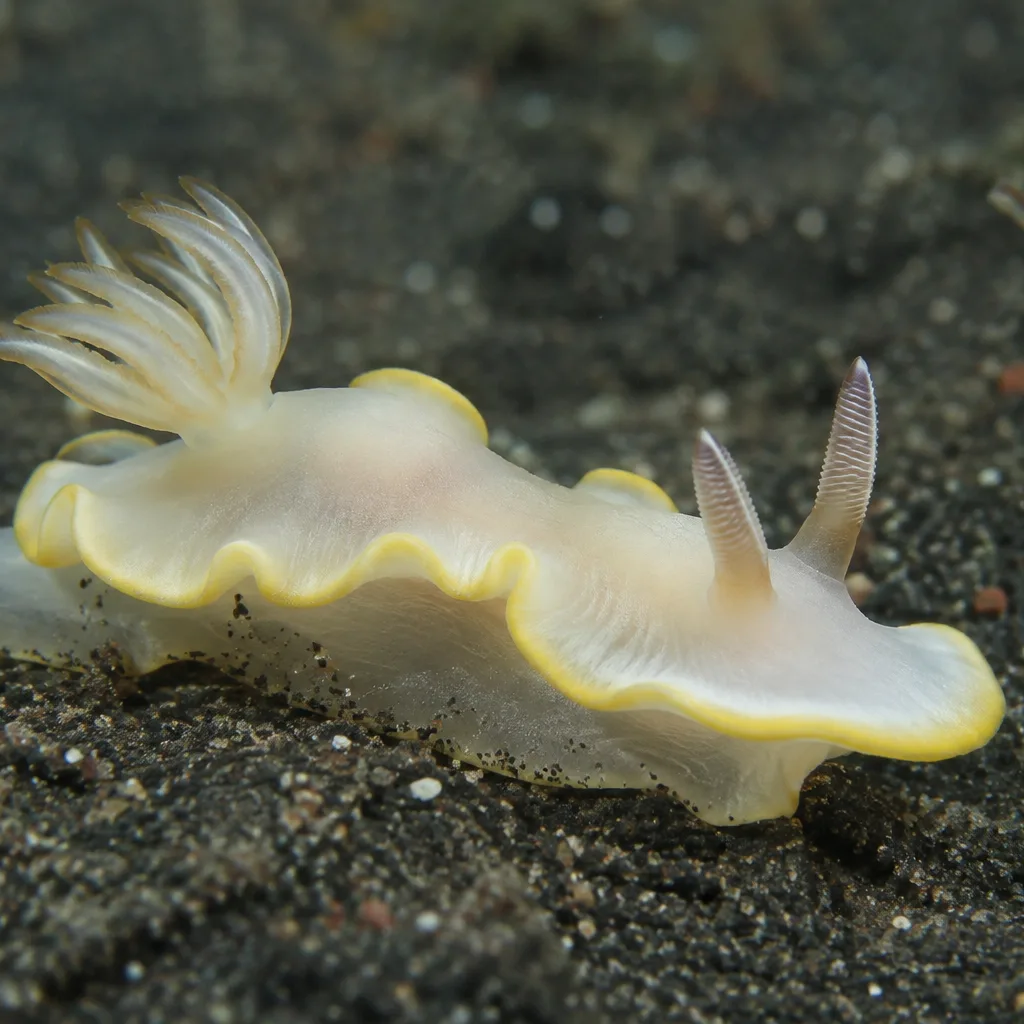
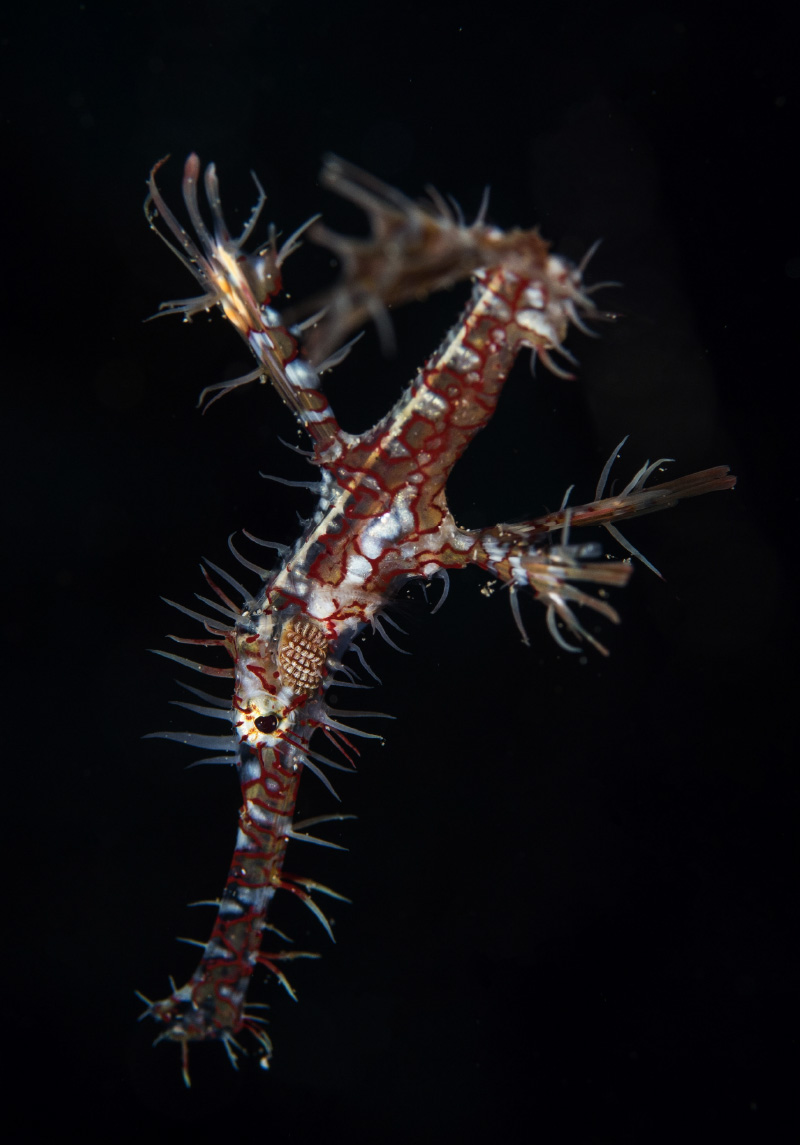
Lembeh is particularly well suited to underwater photographers and divers looking for varied small marine life. According to the PADI guide, the strait has sandy slopes and rubble coral bottoms. Many species living there use camouflage and mimicry to blend into their surroundings.1
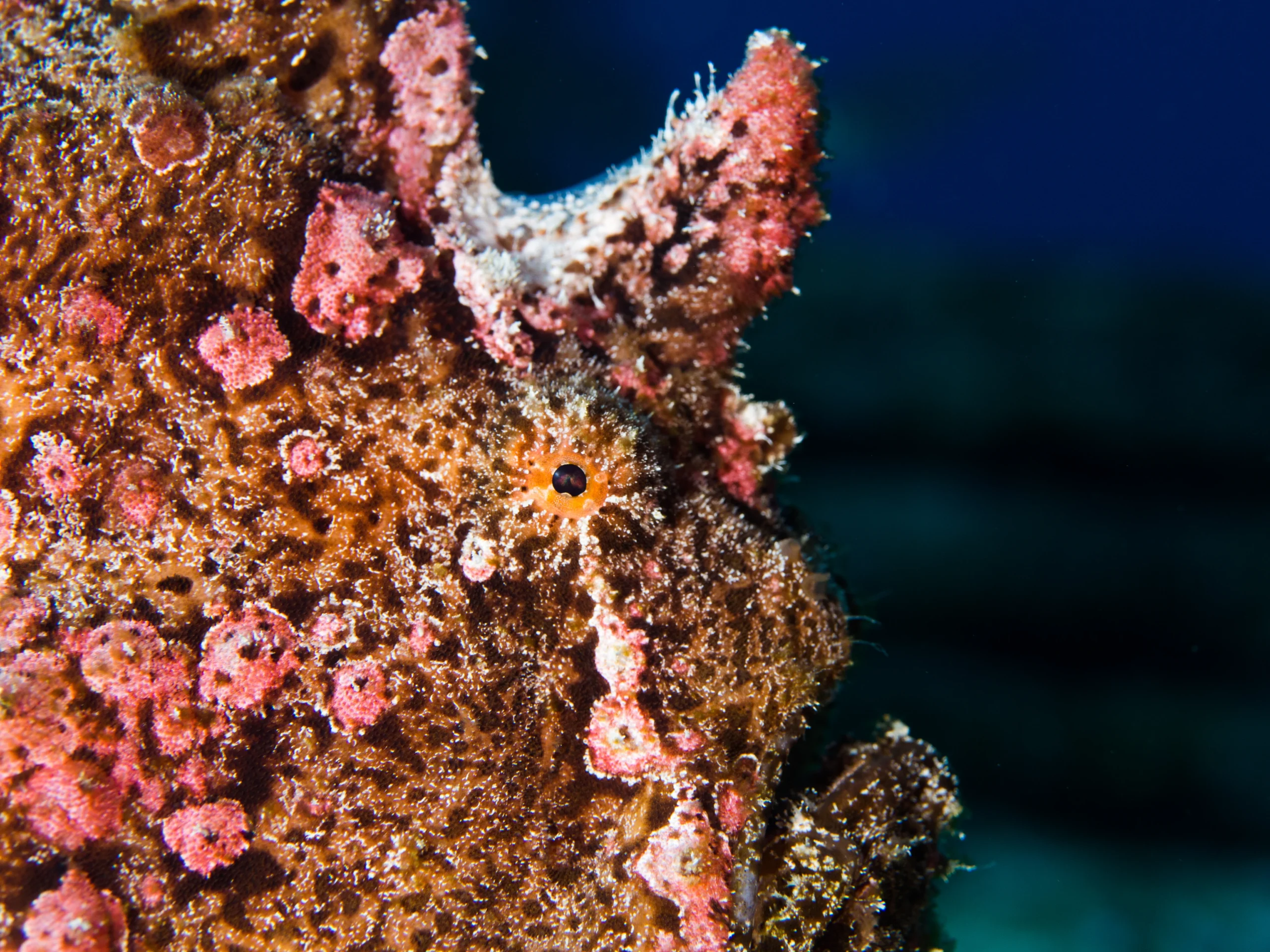
Small subjects and camouflage make a slow scan of the bottom part of the appeal. If you enjoy looking closely, waiting and framing an unusual animal, Lembeh deserves attention on your North Sulawesi shortlist. Think about the experience of making the photograph as well as the photograph itself: patient observation is a different priority from moving through broad underwater scenery.1
PADI describes Lembeh dive sites from five to 30 meters deep, many continuing down a sandy slope. Little to no current is reported most of the time, but some sites are more exposed to water movement. Keep both parts of that description in mind. A generally quiet area still requires a site choice that fits the conditions on the day.1
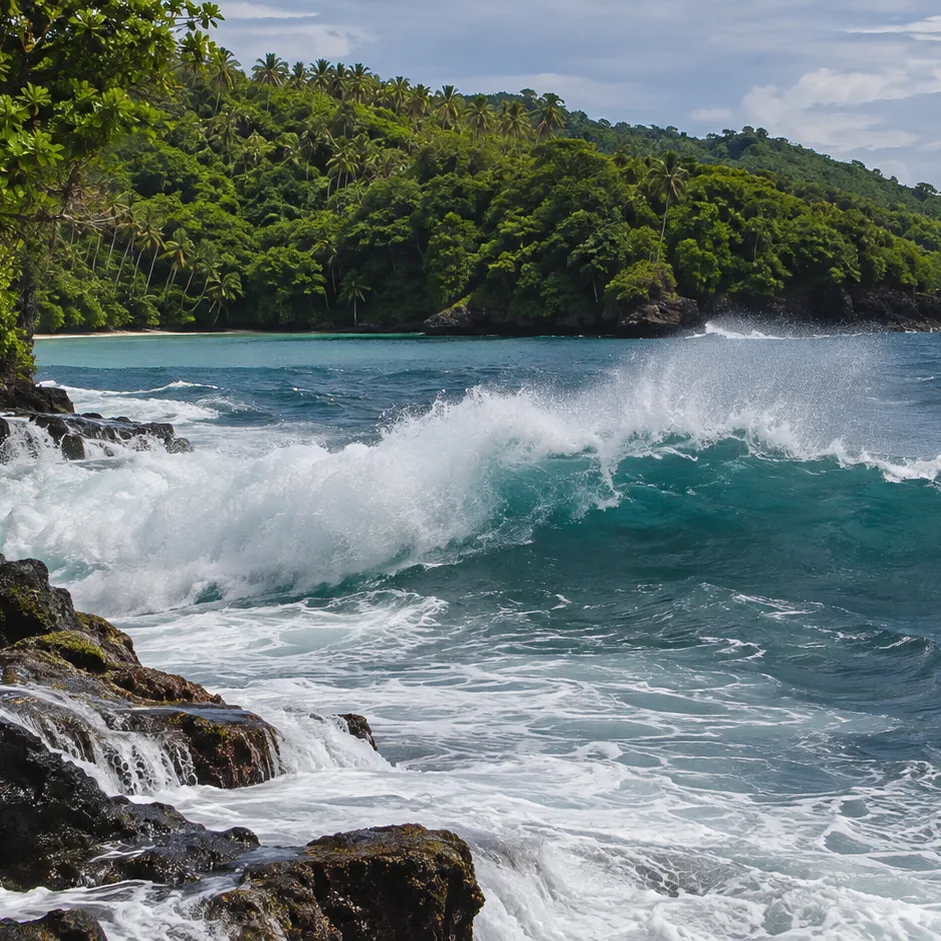
From June to September, larger waves and surge may affect sites along Lembeh Island. Operators may choose sheltered alternatives during those summer months. Ask how seasonal conditions influence the proposed schedule and what a change of site would mean for the photography you have planned. The useful answer is a practical alternative, rather than reassurance that a destination is usually calm.1
Bunaken and Bangka: ask for specific site details
For Bunaken and Bangka, request a description of the sites the operator would actually choose for you. Ask about habitat, marine life, depth and water movement separately. A broad North Sulawesi itinerary can leave those details unclear, so do not transfer the Lembeh conditions described here to either of the other areas. Each part of your trip needs its own assessment.
For each area, ask about the site structure, the conditions common during your visit and the buoyancy control required. Check whether the dives suit the experience recorded in your logbook and whether alternatives are available for divers who prefer calmer conditions. If photography is the goal, also ask about group size and how much time is usually allowed for observing subjects at each point.
Compare the three areas on the same terms
Make a comparison with a column for Bunaken, Bangka and Lembeh. Under each name, record habitat, animals of interest, current, depth, seasonal conditions, photography style and required experience. Leave unanswered items open until an operator or current source can clarify them. This gives you a useful booking conversation: you can see exactly which part of the proposal still needs an explanation.

Lembeh may be your priority if you want to search sandy slopes and rubble bottoms for small creatures. Before combining it with Bunaken or Bangka, work through transfer times and the actual diving days remaining in each place. For the broader comparison, use our guide to choosing an itinerary around conditions, wildlife and pace.1
Match the sites to your experience and camera use
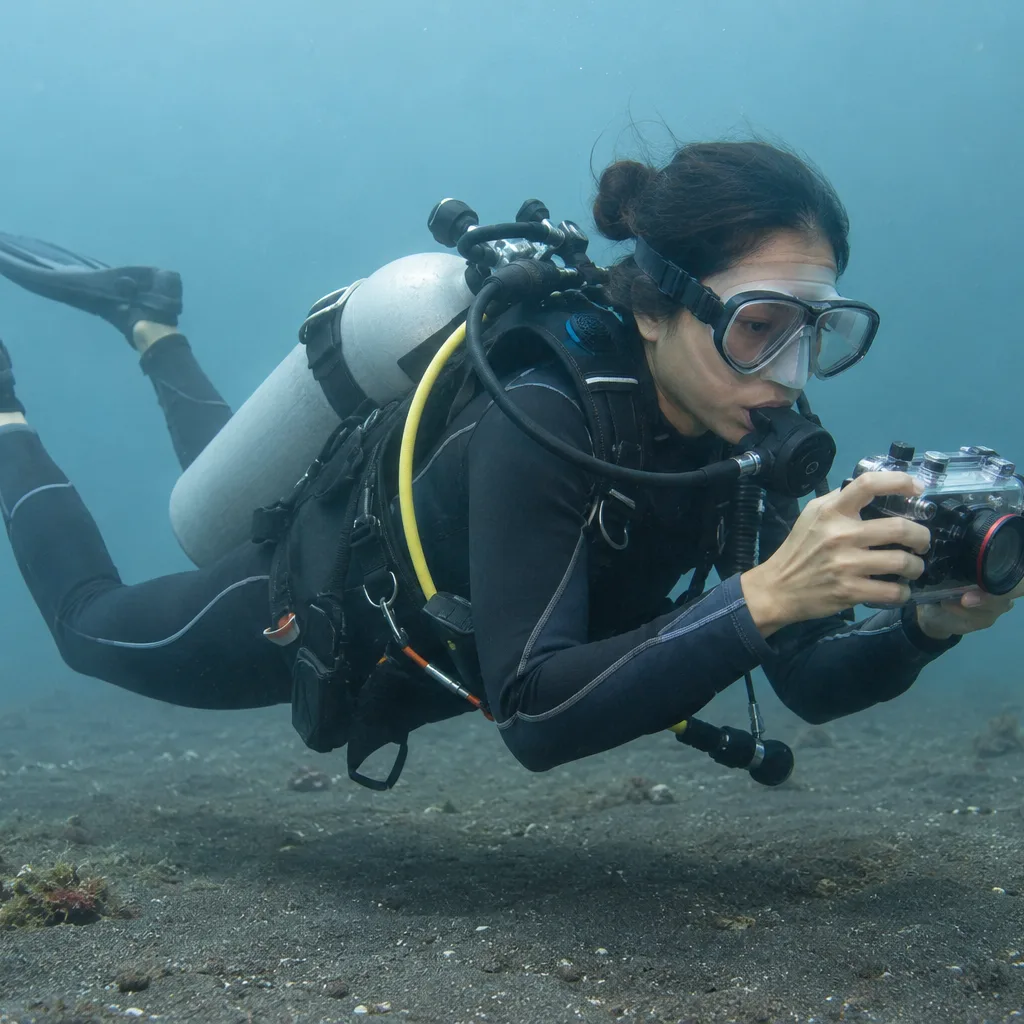
Depth alone does not determine whether a site is suitable for a particular diver. Current, waves, visibility, water entry, distance from the boat and the ability to maintain stable buoyancy all affect the experience. Photographers should remember that operating a camera can divide their attention, particularly in unfamiliar surroundings.
Low current at many Lembeh sites can make observation easier, but exposed locations and seasonal changes still matter. Discuss your camera use as part of the dive plan, rather than assuming every site will suit it. The local team’s assessment and the conditions that day should guide the choice. Your attention needs to remain available for the dive as well as the subject.1
Keep the dive ahead of the photograph
Before every dive, receive a local briefing and make sure the site, depth and conditions suit your training and experience. Do not build a dive plan on assumptions drawn from a general destination description. If the sea, current or visibility differs from expectations, follow the briefing and the local team's decisions.
When photographing small animals, maintain buoyancy control and avoid touching the bottom or marine life. If taking a photograph interferes with keeping your distance, staying in contact with your buddy or monitoring dive data, let the shot go. Responsible planning also leaves room for changing sites or canceling a dive.
Frequently asked questions
Which Area Is Particularly Good for Underwater Photography? 1
Lembeh is described here as a good choice for small marine life on sandy slopes and rubble bottoms. It particularly appeals to divers who enjoy searching carefully and composing close photographs. Ask operators in Bunaken and Bangka the same questions about subjects, group pace and conditions before deciding which area best matches the photography you want to do.1
Is Lembeh Only Suitable for Experienced Divers? 1
Not every Lembeh dive has the same demands. The reported depth range is five to 30 meters, and generally low current comes with exceptions at more exposed sites. Seasonal waves also affect site selection. Match the specific dive to your training and experience, using the local briefing and actual conditions rather than a single label for the whole strait.1
Should You Combine All Three Areas in One Trip?
Consider the proposed schedule before choosing all three. Ask for transfer times, diving days in each area and alternatives if conditions change. Then compare the schedule with your priorities: time for small subjects, broader scenery or a mix of sites. Those answers will help you decide how much of North Sulawesi belongs in this particular trip.
Choose a program whose details make sense together: the sites, the conditions and the pace. Lembeh offers a defined starting point for small marine life and photography. Add Bunaken or Bangka when the proposed dives support the experience you want. That leaves you with a plan built around your diving, rather than a list of names to collect.